
Why The Innocent Go To Prison On False Charges with Valena Beety | 347
Most of us believe that if a case made it to the courtroom, somebody checked the evidence. Valena Beety used to believe that too. She took a job as a federal prosecutor in DC to protect women from violence, and what she saw from the inside sent her to the other side of the courtroom, where she has spent her career fighting wrongful convictions.
In this conversation, Bruce sits down with the law professor, founder of the West Virginia Innocence Project, and author of Pink Crime: Fighting Against the Criminalization of Motherhood, Pregnancy, and Queer Identity. They dig into what happens when a hospital room turns into a crime scene, why forensic methods many of us grew up trusting on TV were never tested the way real science is, and why it is so much harder to undo a conviction than to win one.
These are stories about mothers, queer women, and poor families whose worst day became the start of a criminal case, and about who really gets the benefit of the doubt. If you have ever binged a true crime show and thought “they got the right person,” this one will make you look again.
#ValenaBeety #PinkCrime #JunkScience #WrongfulConvictions #InnocenceProject #CriminalJusticeReform #ForensicScience #ReproductiveJustice #PregnancyCriminalization #ProsecutorialMisconduct #TrueCrime #JusticeSystem #unsolicitedperspectives

 Apple Podcasts

 Spotify

 YouTube

 Castro

 RSS Feed

 Amazon Music

 iHeartRadio

 TuneIn

 Podcast Addict

 Podchaser

 PocketCasts

 Deezer

 PlayerFM

 Goodpods
Summary
Most of us assume that if a case made it to a courtroom, somebody checked the evidence. Valena Beety used to assume that too. She became a federal prosecutor in DC to protect women from violence, and what she saw on the inside sent her to the other side of the courtroom. Bruce sits down with the law professor, Innocence Project founder, and author of Pink Crime to talk about what happens when a hospital room turns into a crime scene, why prosecutors fight to keep convictions even when the evidence falls apart, and why it is so much harder to undo a conviction than to win one.
The conversation moves from bite marks and fire science to floating lung tests and hospital drug screens, and through the stories of mothers, queer women, and poor families whose worst day became the start of a criminal case. Along the way, Bruce takes a hard look at his own trust in the system, from binge-watching Forensic Files to the rule he once set at home about documenting bruises. The episode closes on what ordinary people can actually do about it, starting with who they elect as their local prosecutor.
About The Guest
Valena Beety is a law professor at Indiana University and a former federal prosecutor in Washington, DC. She took the prosecutor job to protect women from violence, then left to become a staff attorney at the Mississippi Innocence Project, where she worked on wrongful conviction cases. She later founded the West Virginia Innocence Project, and her work on forensic evidence has been cited by Supreme Court justices. Before law school she was a rape victim advocate for hospitals across Chicago. She grew up just outside Indianapolis and is the author of Pink Crime: Fighting Against the Criminalization of Motherhood, Pregnancy, and Queer Identity.
Host Bruce Anthony is the founder of Unsolicited Perspectives, a podcast covering important events and topics shaping today’s society.
Key Takeaways
- Many forensic methods, including bite marks, fire science, shoe prints, and handwriting, were developed by police to win convictions rather than tested in a lab for accuracy. Every state except Texas still lets bite mark evidence in.
- Tunnel vision drives a lot of wrongful convictions. Once investigators settle on a suspect, evidence that fits gets highlighted and evidence that doesn’t gets downplayed, excluded, or sometimes hidden.
- Reversing a conviction is far harder than getting one. Prosecutors routinely refuse to agree to DNA testing, and courts can wave off missed evidence as “harmless error.”
- In “no crime” cases, ordinary tragedies like an accidental fire, a miscarriage, or a stillbirth get charged as homicide, often with junk science like the centuries-old floating lung test.
- Identity shapes who gets believed. Mothers, queer people, and poor, Black, and brown families face more suspicion, and prosecutors have used a defendant’s sexuality as “proof” of guilt.
- Hospital drug screens can flag medicine the hospital itself gave, like an epidural, and lead to CPS involvement or charges even when the baby is healthy.
- About 95% of criminal cases end in guilty pleas, and police can legally lie during interrogations, so pressure builds early, before any evidence is tested at trial.
- Your local prosecutor election matters, and community members can help by getting information and character evidence to the defense early, before a plea. Beety points to Pregnancy Justice and Movement for Family Power as organizations doing this work.
Quotes
Valena Beety
- “It is so much harder to reverse a conviction than for a prosecutor to get a conviction in the first place.”
- “Forensic science is science that was developed by the police specifically for policing and for obtaining convictions.”
- “We build up prosecutors as the white knight who never does wrong, because then prosecutors have to live up to that.”
- “It’s because of who makes the call.”
- “Everything has been so narrowed down in your life that you can only have a certain bar of soap, and when the world opens back up again, it can be a lot.”
- “It matters who you elect as your local prosecutor.”
Levon Brooks, as shared by Valena Beety
- “She could finally put her hammer down. She had fought for me, and she saw me freed.”
Bruce Anthony
- “I don’t wanna be right, I wanna be correct.”
- “If you’re never allowed to be wrong, you can never be correct.”
- “We’re the neighbors. We’re the jury. We’re the folks who skip the local prosecutor’s race.”
- “Certainty ain’t justice. Sometimes it’s just tunnel vision with a badge.”
Chapters:
00:00:00 Valena Beety: When Grief Becomes A Crime And Junk Science Wins 🔍💔🚨
00:02:10 When The Justice System Decides Guilt Before Checking The Facts 👀🔍🤔
00:04:52 Hoosier Roots: A GM Family And The Lesson That Life Isn’t Fair 🏭🍎💪
00:09:52 Her Office Jailed Survivors Who Refused To Testify In Court 😳🚔🔒
00:13:15 Cops Lining Up Their Stories Before The Prosecutor Ever Asks 🚨🤥👮
00:15:42 Levon Brooks And The Mom Who Could Finally Put Her Hammer Down 🔨🙏💔
00:18:37 Why Prosecutors Said No To DNA Testing Every Time She Asked 🧬🚫🤨
00:21:19 Ego, Pride Or Tunnel Vision? Why Prosecutors Fight Reversals 🎯🧠😤
00:25:23 Why A Black Dad Was Scared To Take His Hurt Daughter To The ER 🏥😟🚑
00:26:33 An Overdose Call, A Dentist And Bite Marks That Weren’t Real 🦷🚑❌
00:28:05 Junk Science Explained: Cop Built Forensics That Nobody Tested 🧪🚓📉
00:36:51 Kristine Bunch: A Mother Fought A Fire And Got Convicted Anyway 🔥🚲😢
00:41:10 A Miscarriage, A SWAT Team And A False Confession About Cinnamon 🤰🚔🫙
00:45:12 The Floating Lung Test That Turns Stillbirth Into A Murder Case 🫁🧪🚨
00:49:37 Hospital Drug Tests Can Punish Moms For Medicine They Received 🏥💉👶
00:53:35 How Doctors And Nurses Can Stop Turning Patients Into Suspects 🩺🤝🛑
00:55:02 Diaper Rash Photos And 126 Years: The Roseberline Turenne Case 📸🔒😱
00:59:58 Coming Home Exonerated: Why A Deodorant Aisle Is Overwhelming 🛒🧴😵
01:01:50 The Prosecutors We Elect Decide Whose Grief Becomes A Crime 📣👀✅
01:03:27 Closing Thoughts: Certainty Ain’t Justice, It’s Tunnel Vision 🎤🧠🛑
This isn't just content — it's a conversation. Subscribe, hit the bell, and drop a comment. What you think matters here.
Want the unfiltered version? The takes we don't soften, the extra conversations, the real behind-the-scenes?
🔓 YouTube Membership: https://www.youtube.com/channel/UCL4HuzYPchKvoajwR9MLxSQ/join
💸 Patreon: patreon.com/unsolicitedperspectives
Full episodes, clips, merch, and everything Unsolicited Perspectives in one place:
🌐 www.unsolicitedperspectives.com
See you in the next one.
#UnsolicitedPerspectives #BlackCulture #BlackPodcast #SocialCommentary #CurrentEvents #PopCulture #Podcast #BlackHistory #Entertainment #relationships
Beat Provided By https://freebeats.io | Produced By White Hot
Thank you for tuning in to 'Unsolicited Perspectives.' We hope you enjoyed this episode featuring unique and authentic views on current events, social-political topics, race, class, and gender. Stay engaged with us as we continue to provide insightful commentary and captivating interviews. Join us on this journey of exploration and thought-provoking conversations, and remember, your perspective matters!
Interview with Valena Beety
[00:00:00]
Valena Beety: When Grief Becomes A Crime And Junk Science Wins 🔍💔🚨
Bruce Anthony: A federal prosecutor [00:00:01] walks into a courtroom [00:00:02] to protect women [00:00:03] and walks [00:00:04] out fighting to free [00:00:05] the ones the system [00:00:06] got wrong. [00:00:07] We gonna get [00:00:08] into it. [00:00:09] Let's get [00:00:10] it
[00:00:11] [00:00:12] [00:00:13] [00:00:14] [00:00:15] [00:00:16] [00:00:17] [00:00:18] [00:00:19] [00:00:20]
Bruce Anthony: [00:00:21] Welcome. First of [00:00:22] all, welcome. [00:00:23] This is Unsolicited [00:00:24] Perspectives. I am [00:00:25] your host, Bruce [00:00:26] Anthony, here to lead the [00:00:27] conversation in important [00:00:28] events and [00:00:29] topics that are shaping [00:00:30] today's society. [00:00:31] Join the [00:00:32] conversation and follow us [00:00:33] wherever you get your audio [00:00:34] podcasts. [00:00:35] Subscribe to our YouTube channel [00:00:36] for our video podcast, [00:00:37] YouTube exclusive [00:00:38] content, and our YouTube [00:00:39] membership.
[00:00:40] Rate, [00:00:41] review, like, [00:00:42] comment, [00:00:43] share. Share with your [00:00:44] friends, [00:00:45] share with your family. [00:00:46] Hell, even [00:00:47] share with your enemies. [00:00:48] On [00:00:49] today's [00:00:50] episode
I'm sitting down [00:00:51] with Valena Beety, [00:00:52] a law professor and [00:00:53] former federal [00:00:54] prosecutor who now [00:00:55] fights wrongful [00:00:56] convictions. We're [00:00:57] gonna be talking about [00:00:58] junk science, [00:00:59] women convicted of [00:01:00] crimes that never happened, [00:01:01] and who really [00:01:02] gets the benefit of a [00:01:03] doubt. But that's [00:01:04] enough of the intro. [00:01:05] Let's get to [00:01:06] the [00:01:07] show
[00:01:08] [00:01:09] [00:01:10] [00:01:11] [00:01:12] [00:01:13] [00:01:14] [00:01:15]
Bruce Anthony: I wanna start in [00:01:16] a hospital room [00:01:17] today. Think [00:01:18] about the worst day [00:01:19] a family can have [00:01:20] in one of those [00:01:21] rooms. [00:01:22] A pregnancy that doesn't [00:01:23] make it, [00:01:24] a baby who won't [00:01:25] wake up, [00:01:26] a parent [00:01:27] running their child through [00:01:28] their emergency room [00:01:29] doors, hands [00:01:30] shaking so [00:01:31] badly that they can't [00:01:32] even fill out [00:01:33] forms. [00:01:34] Now imagine that in the [00:01:35] middle of all that [00:01:36] grief, [00:01:37] the questions [00:01:38] change.
They [00:01:39] stop sounding like [00:01:40] somebody who cares [00:01:41] about you, [00:01:42] and start sounding like [00:01:43] somebody who's [00:01:44] building a case. [00:01:45] And before you even [00:01:46] understand what's [00:01:47] happening, your [00:01:48] loss is turned [00:01:49] into an [00:01:50] investigation, [00:01:51] and the prime [00:01:52] suspect [00:01:53] is you. [00:01:54] [00:01:55] This is not a [00:01:56] movie. [00:01:57] This is happening to [00:01:58] mothers, to [00:01:59] women, to queer [00:02:00] folks, and more [00:02:01] often than not, to [00:02:02] people who are already [00:02:03] poor, [00:02:04] already Black or [00:02:05] brown, and [00:02:06] already used to [00:02:07] not being [00:02:08] believed.[00:02:09]
Now, y'all know [00:02:10] me. I'm a
When The Justice System Decides Guilt Before Checking The Facts 👀🔍🤔
Bruce Anthony: Black [00:02:11] man. I'm a [00:02:12] minority [00:02:13] in this country. [00:02:14] I grew up with a [00:02:15] natural side eye [00:02:16] toward the system [00:02:17] because I learned [00:02:18] early on it [00:02:19] doesn't always work [00:02:20] the same for people who [00:02:21] look like me. [00:02:22] But most [00:02:23] Americans don't walk around [00:02:24] thinking that. [00:02:25] Most folks [00:02:26] figure that if [00:02:27] it made it to the [00:02:28] courtroom, the [00:02:29] evidence got checked [00:02:30] and the system did its [00:02:31] job.
[00:02:32] Except [00:02:33] sometimes [00:02:34] nobody checked. [00:02:35] [00:02:36] And I'm gonna [00:02:37] bring up something [00:02:38] that's [00:02:39] important. [00:02:40] [00:02:41] Protecting [00:02:42] kids is [00:02:43] absolutely [00:02:44] extremely important. [00:02:45] Y'all know Bruce [00:02:46] love the kids. [00:02:47] When a child gets [00:02:48] hurt, somebody [00:02:49] should be asking [00:02:50] these hard [00:02:51] and tough [00:02:52] questions. What [00:02:53] we're gonna be [00:02:54] examining today [00:02:55] is [00:02:56] w- the [00:02:57] problem [00:02:58] of [00:02:59] these people [00:03:00] that are [00:03:01] asking the hard [00:03:02] questions, but [00:03:03] they've already [00:03:04] decided [00:03:05] on what the [00:03:06] answer is.[00:03:07]
My [00:03:08] guest today is [00:03:09] Valena Beety. [00:03:10] Valena was a [00:03:11] federal [00:03:12] prosecutor in DC. She took that [00:03:13] job to protect women [00:03:14] from violence. [00:03:15] Then she [00:03:16] saw something from the [00:03:17] inside that made [00:03:18] her cross over and [00:03:19] spend her career [00:03:20] fighting wrongful [00:03:21] convictions. She [00:03:22] founded the West [00:03:23] Virginia Innocence Project, [00:03:24] and her work on [00:03:25] forensic evidence has [00:03:26] even been cited [00:03:27] by Supreme [00:03:28] Court justices.[00:03:29]
She [00:03:30] sat on both sides [00:03:31] of the courtroom, [00:03:32] and y'all know how [00:03:33] I feel. [00:03:34] I don't wanna be [00:03:35] right, I wanna be [00:03:36] correct. It takes [00:03:37] a certain [00:03:38] kind of person [00:03:39] to look back at the [00:03:40] side that they used to [00:03:41] be on [00:03:42] and say, [00:03:43] "Hmm, [00:03:44] we got some things [00:03:45] wrong." So [00:03:46] I'm really looking [00:03:47] forward to this [00:03:48] conversation. So [00:03:49] without further [00:03:50] ado, [00:03:51] Valena [00:03:52] [00:03:53] Beety As I said at the [00:03:54] top, I'm here with [00:03:55] Valena Beety, [00:03:56] the auth- of [00:03:57] Pink [00:03:58] Crime: Fighting Against the [00:03:59] Criminalization of [00:04:00] Motherhood, [00:04:01] Pregnancy, and Queer [00:04:02] Identity.[00:04:03]
Valena, thank you [00:04:04] so much for [00:04:05] coming on the show. [00:04:06] I talk [00:04:07] so much about [00:04:08] important [00:04:09] subjects [00:04:10] that [00:04:11] people miss [00:04:12] because the [00:04:13] algorithm gives [00:04:14] them puppies [00:04:15] and things that make [00:04:16] you happy, but there [00:04:17] are also serious [00:04:18] matters that, [00:04:19] uh, are affecting [00:04:20] everyday people [00:04:21] in society that [00:04:22] some people are just not [00:04:23] aware of, and we're gonna [00:04:24] be talking about it today, [00:04:25] so I'm so thankful to have [00:04:26] you on the show
Valena Beety: [00:04:27] Ah, thanks for having me[00:04:28]
Bruce Anthony: [00:04:29] Absolutely.
I start [00:04:30] every [00:04:31] [00:04:32] interview with one [00:04:33] question. Let's [00:04:34] go back. I [00:04:35] wanna go back to the [00:04:36] beginning. Tell me what it was [00:04:37] like growing up [00:04:38] in [00:04:39] Indianapolis. Tell me about [00:04:40] your family. [00:04:41] Uh, tell [00:04:42] me about your [00:04:43] upbringing and how [00:04:44] it shaped [00:04:45] you to become the person [00:04:46] that you are today
Valena Beety: [00:04:47] Hmm. [00:04:48] Uh, I'll try to [00:04:49] keep it short.[00:04:50]
Bruce Anthony: You can keep it [00:04:51] as long as you [00:04:52] want. This,
Hoosier Roots: A GM Family And The Lesson That Life Isn't Fair 🏭🍎💪
Bruce Anthony: this [00:04:53] episode is [00:04:54] about you and your [00:04:55] work
Valena Beety: common [00:04:56] too. [00:04:57] So, uh, yeah, I grew [00:04:58] up, uh, just [00:04:59] outside of Indy. [00:05:00] [00:05:01] Both of my parents are [00:05:02] Hoosiers, so I'm a [00:05:03] Hoosier, [00:05:04] and my dad and my [00:05:05] granddad worked for [00:05:06] General Motors. [00:05:07] Uh, and then [00:05:08] my mom [00:05:09] was a public school teacher [00:05:10] in Indianapolis Public [00:05:11] School System. [00:05:12] So they [00:05:13] both taught me [00:05:14] that it really [00:05:15] matters, uh, [00:05:16] working hard, [00:05:17] uh, and [00:05:18] being known as a [00:05:19] hard worker.
[00:05:20] Uh, but they also [00:05:21] taught me that [00:05:22] life [00:05:23] isn't fair and [00:05:24] the world isn't fair, and [00:05:25] you can work hard [00:05:26] and [00:05:27] still not [00:05:28] be treated [00:05:29] fairly. Uh, so my [00:05:30] mom in particular [00:05:31] always taught [00:05:32] me to [00:05:33] be able to look out for [00:05:34] myself, to be able to f- [00:05:35] support [00:05:36] myself [00:05:37] and to [00:05:38] always look out for [00:05:39] others, to, to [00:05:40] be aware of that, [00:05:41] you know, that [00:05:42] again, there are other [00:05:43] people who are fighting [00:05:44] just as hard as I am [00:05:45] and working just as hard as [00:05:46] I am and [00:05:47] aren't [00:05:48] gonna get the [00:05:49] same breaks, [00:05:50] uh, [00:05:51] and aren't gonna be [00:05:52] treated fairly, [00:05:53] just like could happen [00:05:54] to me.
Uh, so [00:05:55] that, you know, [00:05:56] that's, that was kind of the [00:05:57] mindset growing up[00:05:58]
Bruce Anthony: [00:05:59] So [00:06:00] your parents [00:06:01] imprint this [00:06:02] on you. [00:06:03] They, they, they [00:06:04] give you the [00:06:05] wisdom to say, "Hey, [00:06:06] look, you gotta [00:06:07] work hard, but life [00:06:08] isn't always [00:06:09] fair, and [00:06:10] sometimes [00:06:11] life isn't fair to other [00:06:12] people." [00:06:13] Can-- Were there... [00:06:14] Can you give [00:06:15] me an [00:06:16] example of [00:06:17] growing up where [00:06:18] you saw [00:06:19] the words that your [00:06:20] parents said to you, [00:06:21] but then you saw it [00:06:22] in real life [00:06:23] outside of [00:06:24] your parents?
Like [00:06:25] it was you [00:06:26] that were like, "Oh, [00:06:27] this is what my parents were [00:06:28] talking about."[00:06:29]
Valena Beety: [00:06:30] Mm. I [00:06:31] think [00:06:32] you know, [00:06:33] a lot of-- There [00:06:34] were-- My mom [00:06:35] taught child [00:06:36] development. Uh, she was [00:06:37] a home economics [00:06:38] teacher, and so that was [00:06:39] one of the classes that she [00:06:40] taught, [00:06:41] which I think [00:06:42] is great, you know, [00:06:43] that she was teaching [00:06:44] high schoolers how to [00:06:45] take care of [00:06:46] kids. [00:06:47] So [00:06:48] she had a number [00:06:49] of pregnant [00:06:50] girls and [00:06:51] young [00:06:52] moms in her classes, [00:06:53] [00:06:54] and she would [00:06:55] take a number of [00:06:56] them kinda under her [00:06:57] wing and look out for them [00:06:58] and how they could [00:06:59] support each other, [00:07:00] right?
'Cause if [00:07:01] you're, you know, [00:07:02] kinda feeling on your [00:07:03] own, uh, [00:07:04] and you're [00:07:05] a new mom, [00:07:06] there's nothing more [00:07:07] important than [00:07:08] being able to have other [00:07:09] people who, uh, [00:07:10] can connect [00:07:11] with you, that you can-- [00:07:12] even if it's the [00:07:13] other new moms that you're in [00:07:14] the class with, that you [00:07:15] can [00:07:16] connect on how can [00:07:17] we look after our kids [00:07:18] together?
How can we [00:07:19] keep going to school? [00:07:20] How can we, [00:07:21] uh, make sure [00:07:22] to, you know, [00:07:23] graduate? [00:07:24] [00:07:25] And [00:07:26] it [00:07:27] really [00:07:28] just-- [00:07:29] That really [00:07:30] impressed on me. You know, [00:07:31] I did not have a [00:07:32] kid when I was, [00:07:33] uh, in high [00:07:34] school, [00:07:35] and that [00:07:36] [00:07:37] it could just [00:07:38] change your [00:07:39] path so much, [00:07:40] and not having people [00:07:41] there to support you, [00:07:42] and then [00:07:43] having to choose [00:07:44] between going to [00:07:45] school and looking [00:07:46] after your own, [00:07:47] you know, small [00:07:48] family now.
[00:07:49] Uh, I didn't have to [00:07:50] face that, and I [00:07:51] saw [00:07:52] my mom [00:07:53] trying to [00:07:54] both [00:07:55] support [00:07:56] those, those young women [00:07:57] and [00:07:58] to help them [00:07:59] figure out how to support [00:08:00] themselves. Uh, [00:08:01] so I'd say that was [00:08:02] one way that it [00:08:03] really [00:08:04] showed through for [00:08:05] me.
Bruce Anthony: So [00:08:06] you grow [00:08:07] up [00:08:08] and you are [00:08:09] looking [00:08:10] at, [00:08:11] [00:08:12] how [00:08:13] society is [00:08:14] different for [00:08:15] some people [00:08:16] and how some people [00:08:17] have to make these [00:08:18] tough decisions. [00:08:19] And then [00:08:20] you go to [00:08:21] school and you [00:08:22] become a [00:08:23] prosecutor, but you become a [00:08:24] prosecutor for a [00:08:25] very specific [00:08:26] reason, is to [00:08:27] protect women from [00:08:28] violence. [00:08:29] [00:08:30] One, [00:08:31] how did you get to that?[00:08:32]
And then [00:08:33] two, what did you see [00:08:34] from the inside [00:08:35] that [00:08:36] eventually made you [00:08:37] switch sides?[00:08:38] [00:08:39]
Valena Beety: [00:08:40] Yeah. [00:08:41] So [00:08:42] in high school too, I [00:08:43] also saw [00:08:44] sexual [00:08:45] violence, domestic [00:08:46] violence. [00:08:47] Uh, and when I was in college, [00:08:48] I became [00:08:49] a rape victim [00:08:50] advocate [00:08:51] across the city of [00:08:52] Chicago. So I was [00:08:53] on call for different [00:08:54] hospitals in [00:08:55] Chicago to go and [00:08:56] be there [00:08:57] as an [00:08:58] advocate for a survivor who [00:08:59] comes into the [00:09:00] emergency room.
[00:09:01] And through that [00:09:02] experience, [00:09:03] I decided [00:09:04] I wanted to go to law [00:09:05] school, and I [00:09:06] wanted to be a [00:09:07] prosecutor, and I wanted [00:09:08] to prosecute [00:09:09] these [00:09:10] really [00:09:11] tough sex [00:09:12] offenses, [00:09:13] because there's a [00:09:14] number of sex offenders [00:09:15] who [00:09:16] repeatedly [00:09:17] harm people. [00:09:18] And so my [00:09:19] thought was, [00:09:20] "Okay, [00:09:21] if that [00:09:22] person is [00:09:23] locked up, then they're not [00:09:24] gonna harm others.
That's [00:09:25] gonna stop cycles of [00:09:26] violence." [00:09:27] So I think in the [00:09:28] language we'd use [00:09:29] today, I was a, [00:09:30] a carceral [00:09:31] feminist. I [00:09:32] really thought that [00:09:33] prison would, would [00:09:34] solve, [00:09:35] would [00:09:36] solve some of those [00:09:37] problems. [00:09:38] So I went to law [00:09:39] school. I [00:09:40] got my dream job. [00:09:41] I became a [00:09:42] prosecutor. [00:09:43] Uh, and [00:09:44] I [00:09:45] realized through [00:09:46] doing the job, [00:09:47] uh, that [00:09:48] we weren't [00:09:49] necessarily, at least in my [00:09:50] office, we weren't [00:09:51] looking out for [00:09:52] survivors.
Her Office Jailed Survivors Who Refused To Testify In Court 😳🚔🔒
Valena Beety: Uh, [00:09:53] if a [00:09:54] survivor didn't wanna be [00:09:55] involved in the case [00:09:56] or didn't wanna [00:09:57] testify, [00:09:58] uh, we had a [00:09:59] practice of [00:10:00] [00:10:01] arresting that person [00:10:02] and detaining them in [00:10:03] jail [00:10:04] before the [00:10:05] hearing or [00:10:06] before trial to make [00:10:07] sure that they would show [00:10:08] up, right?[00:10:09]
[00:10:10] Uh, I, I know. I [00:10:11] know. It's [00:10:12] wild. It's [00:10:13] wild
Bruce Anthony: wanna [00:10:14] make sure [00:10:15] for me and the [00:10:16] audience that I heard [00:10:17] you clearly. [00:10:18] [00:10:19] The [00:10:20] victim of the [00:10:21] crime, [00:10:22] [00:10:23] and, and [00:10:24] we know [00:10:25] with [00:10:26] assault, sexual [00:10:27] assaults, that, uh, [00:10:28] one, a lot of times [00:10:29] they're, they're not [00:10:30] reported, and two, [00:10:31] even if they [00:10:32] are reported, it [00:10:33] becomes [00:10:34] traumatic for the, for the [00:10:35] victim to [00:10:36] relive
Valena Beety: Yeah. [00:10:37] Yeah[00:10:38]
Bruce Anthony: So you're [00:10:39] saying that in [00:10:40] your office, [00:10:41] 'cause you can't speak for all [00:10:42] offices, but for [00:10:43] your office, [00:10:44] you would [00:10:45] actually [00:10:46] arrest the [00:10:47] victim if they [00:10:48] didn't want [00:10:49] to take the [00:10:50] stand?
Valena Beety: [00:10:51] Mm-hmm. [00:10:52] So that the [00:10:53] day before you [00:10:54] knew [00:10:55] that you would be able [00:10:56] to bring them [00:10:57] in for [00:10:58] the hearing. [00:10:59] Oh, yeah. [00:11:00] And those are the [00:11:01] things that just get [00:11:02] normalized. [00:11:03] You know, it's like, "Oh, this [00:11:04] is just what we [00:11:05] do." [00:11:06] [00:11:07] [00:11:08] so that, [00:11:09] that would [00:11:10] happen. [00:11:11] So clearly [00:11:12] when [00:11:13] when survivors [00:11:14] didn't wanna be involved in the [00:11:15] case or wanted [00:11:16] it dropped, it [00:11:17] didn't matter, [00:11:18] right?
It was our [00:11:19] decision as the [00:11:20] government, as [00:11:21] prosecutors to, [00:11:22] to decide on [00:11:23] that. And then [00:11:24] we also didn't [00:11:25] consider what [00:11:26] the survivor [00:11:27] would [00:11:28] want as, like, [00:11:29] what would make them [00:11:30] whole. [00:11:31]
Bruce Anthony: Hmm.
Valena Beety: [00:11:32] we just [00:11:33] tried to get criminal [00:11:34] charges. But at the same [00:11:35] time, [00:11:36] you know, I saw us [00:11:37] having really [00:11:38] serious [00:11:39] cases, [00:11:40] really seriously [00:11:41] violent cases.
[00:11:42] And [00:11:43] again, the [00:11:44] office would encourage [00:11:45] us to drop those [00:11:46] down to a [00:11:47] misdemeanor offense, which [00:11:48] means the [00:11:49] maximum time you [00:11:50] can get is a year. [00:11:51] [00:11:52] Because the idea [00:11:53] was [00:11:54] misdemeanor cases, you [00:11:55] don't have to go before a [00:11:56] jury. [00:11:57] And a [00:11:58] jury is gonna think this [00:11:59] is just a he said, she [00:12:00] said. [00:12:01] Uh, they're not [00:12:02] gonna, you know, [00:12:03] rule against [00:12:04] the defendant.
[00:12:05] So take it [00:12:06] down to a [00:12:07] misdemeanor, and then you can [00:12:08] get the win. [00:12:09] But [00:12:10] what does the win [00:12:11] matter if the win [00:12:12] is three months in [00:12:13] prison? We [00:12:14] know that prison [00:12:15] is [00:12:16] criminogenic, meaning people are [00:12:17] more likely to commit [00:12:18] crimes once [00:12:19] they've been to prison. [00:12:20] So what [00:12:21] is that doing? Again, [00:12:22] my, my [00:12:23] beginning goal was [00:12:24] to stop these [00:12:25] cycles of violence, [00:12:26] and this was doing [00:12:27] very [00:12:28] little to [00:12:29] actually [00:12:30] meet that goal [00:12:31] and also [00:12:32] was, I thought, [00:12:33] harming survivors [00:12:34] in the process.[00:12:35]
So [00:12:36] yeah, I [00:12:37] didn't know that until I [00:12:38] started doing the job. [00:12:39] And I also didn't [00:12:40] know, and [00:12:41] this is again not all [00:12:42] police, but I [00:12:43] also didn't know, [00:12:44] you know, [00:12:45] personally, [00:12:46] uh, [00:12:47] that yeah, [00:12:48] police will just lie. [00:12:49] [00:12:50] So kind of [00:12:51] figuring that out and [00:12:52] like how to... I [00:12:53] mean, I know [00:12:54] I sound very naive [00:12:55] on
that
Bruce Anthony: no, no, [00:12:56] no, no. I'm not, [00:12:57] I'm not-- That [00:12:58] face wasn't [00:12:59] because I think you're [00:13:00] naive, [00:13:01] uh, because I [00:13:02] think the majority [00:13:03] of people [00:13:04] believe in [00:13:05] the system [00:13:06] even... [00:13:07] especially when you're [00:13:08] working in the [00:13:09] system. Uh, [00:13:10] my [00:13:11] thing is you are [00:13:12] outright [00:13:13] saying that they [00:13:14] will lie.[00:13:15]
Cops Lining Up Their Stories Before The Prosecutor Ever Asks 🚨🤥👮
Valena Beety: Yeah[00:13:16]
Bruce Anthony: Lie [00:13:17] like in how? [00:13:18] And when you [00:13:19] downgrade-- I have so [00:13:20] many questions now, [00:13:21] and I know that I'm [00:13:22] detouring from, from the, [00:13:23] what the structure of the [00:13:24] ep- uh, this [00:13:25] interview was gonna be, [00:13:26] but I [00:13:27] have two questions that [00:13:28] I just, I have to get [00:13:29] answered.
One, [00:13:30] like how [00:13:31] severe [00:13:32] of a [00:13:33] felony would [00:13:34] be downgraded to [00:13:35] a misdemeanor? [00:13:36] And the cops [00:13:37] would lie, [00:13:38] like [00:13:39] how?[00:13:40]
A- a- and is [00:13:41] this all [00:13:42] just to [00:13:43] get [00:13:44] clearances [00:13:45] so that their [00:13:46] stats look good? [00:13:47] You know, I'm out here [00:13:48] in DC, I watch "The [00:13:49] Wire," [00:13:50] so I know something [00:13:51] about cooking the [00:13:52] books and stats [00:13:53] only from "The [00:13:54] Wire." But [00:13:55] is, [00:13:56] is that really what [00:13:57] it's, the, what they're [00:13:58] doing in those [00:13:59] cases?
Valena Beety: Uh, [00:14:00] so I'm gonna, I'm [00:14:01] gonna watch [00:14:02] myself.
Bruce Anthony: Okay[00:14:03]
Valena Beety: [00:14:04] Uh, so I [00:14:05] did both. [00:14:06] I did domestic violence, [00:14:07] I did sexual violence, [00:14:08] and I did drug [00:14:09] offenses [00:14:10] and, [00:14:11] [00:14:12] [00:14:13] armed with a [00:14:14] weapon while [00:14:15] drug [00:14:16] distribution, et cetera. [00:14:17] So it was [00:14:18] more in [00:14:19] the kinda [00:14:20] drug offense [00:14:21] armed [00:14:22] weapon, uh, [00:14:23] cases [00:14:24] where, [00:14:25] yeah, I [00:14:26] mean, police [00:14:27] would, [00:14:28] [00:14:29] uh, [00:14:30] [00:14:31] collaborate to make sure [00:14:32] that their [00:14:33] individual stories [00:14:34] matched.[00:14:35]
I actually [00:14:36] had a [00:14:37] supervisor when I was [00:14:38] like: Hey, look, they all [00:14:39] got different stories [00:14:40] about what happened [00:14:41] and where were the [00:14:42] drugs and where'd they [00:14:43] find them, and what [00:14:44] happened with the [00:14:45] defendant, and why [00:14:46] did the defendant have these [00:14:47] injuries? You know, they all [00:14:48] have different stories about [00:14:49] it. [00:14:50] And [00:14:51] I had a supervisor who [00:14:52] said, "Oh, [00:14:53] why are you talking to [00:14:54] them separately?[00:14:55]
You [00:14:56] should have all of [00:14:57] them in the room together [00:14:58] when you talk with them." [00:14:59] [00:15:00] Which is... [00:15:01] [00:15:02] I've said that to other [00:15:03] prosecutors, and they've been [00:15:04] shocked, [00:15:05] okay? So I [00:15:06] like to think that [00:15:07] there's definitely other [00:15:08] offices where, [00:15:09] [00:15:10] you know, they would, [00:15:11] they would be [00:15:12] appalled by that. [00:15:13] Uh, but that's [00:15:14] just kind of a sign [00:15:15] of, of [00:15:16] [00:15:17] the culture of [00:15:18] the office I was working [00:15:19] in.
Bruce Anthony: Okay. [00:15:20] I'm [00:15:21] hearing you [00:15:22] as you're [00:15:23] describing the [00:15:24] culture of the office that you're [00:15:25] working in, and I [00:15:26] have a coup- [00:15:27] couple of [00:15:28] questions. [00:15:29] One, [00:15:30] how long did you [00:15:31] work in the office? [00:15:32] And two, how [00:15:33] long was it [00:15:34] working in that [00:15:35] office that you [00:15:36] decided, "You know what? [00:15:37] I'm gonna go [00:15:38] ahead and switch [00:15:39] [00:15:40] sides"?[00:15:41]
Valena Beety: Yeah. [00:15:42]
Levon Brooks And The Mom Who Could Finally Put Her Hammer Down 🔨🙏💔
Valena Beety: So I [00:15:43] was there, [00:15:44] you know, a little over a [00:15:45] year, so not that long. [00:15:46] Uh, [00:15:47] and [00:15:48] a friend of [00:15:49] mine worked at [00:15:50] the New [00:15:51] Orleans Innocence [00:15:52] Project, so he [00:15:53] investigated if people were [00:15:54] wrongly convicted, [00:15:55] uh, in [00:15:56] Louisiana and New Orleans. [00:15:57] Uh, [00:15:58] and [00:15:59] I was [00:16:00] unhappy about my [00:16:01] job. [00:16:02] I was not [00:16:03] happy. [00:16:04] Uh, and [00:16:05] he told me about this [00:16:06] opening at [00:16:07] the Mississippi [00:16:08] Innocence Project, [00:16:09] uh, [00:16:10] to hire a [00:16:11] staff attorney.[00:16:12]
[00:16:13] And, you know, I'm [00:16:14] from the [00:16:15] Midwest. [00:16:16] Uh, I had never lived in the [00:16:17] Deep South, [00:16:18] and I was like, [00:16:19] "Am I really [00:16:20] gonna, am I really gonna [00:16:21] make that move?" [00:16:22] but I [00:16:23] went down. I went down [00:16:24] for an interview, [00:16:25] and they wanted me to stay for a [00:16:26] couple days to really [00:16:27] get a feel for it. [00:16:28] So, [00:16:29] I [00:16:30] did. Uh, [00:16:31] got to meet folks. [00:16:32] And [00:16:33] then, [00:16:34] uh, [00:16:35] they-- the [00:16:36] project [00:16:37] [00:16:38] [00:16:39] Whoo!
And I [00:16:40] think we're gonna talk [00:16:41] about Levon [00:16:42] Brooks and Kenny Brewer a little [00:16:43] bit [00:16:44] and their wrongful [00:16:45] convictions [00:16:46] [00:16:47] due to bite marks, due to [00:16:48] bogus bite marks. [00:16:49] But [00:16:50] Levon Brooks had just [00:16:51] gotten out of prison, [00:16:52] uh, within the [00:16:53] past year, [00:16:54] uh, and he had [00:16:55] served many years [00:16:56] for a crime he [00:16:57] did not [00:16:58] commit, uh, I [00:16:59] think nearly 20 [00:17:00] years. [00:17:01] And [00:17:02] here he is, [00:17:03] and [00:17:04] he's out, [00:17:05] again, less than a year, [00:17:06] and his mom [00:17:07] dies.
Bruce Anthony: Hmm.[00:17:08]
Valena Beety: [00:17:09] And his mom had [00:17:10] advocated for him [00:17:11] for all those [00:17:12] years. [00:17:13] So they were [00:17:14] having a funeral, [00:17:15] and the Mississippi [00:17:16] Innocence Project folks [00:17:17] were going, [00:17:18] and I mean, of course [00:17:19] they were. [00:17:20] And so they asked if I [00:17:21] wanted to go, too. [00:17:22] [00:17:23] Uh, [00:17:24] and I said [00:17:25] yes. Uh, [00:17:26] even though I was like, [00:17:27] this is...
[00:17:28] You know, I'm [00:17:29] prosecuting people [00:17:30] right now, and [00:17:31] here's this man [00:17:32] who was [00:17:33] wrongly prosecuted, [00:17:34] wrongly [00:17:35] convicted. Uh, should [00:17:36] I even be [00:17:37] there?
Bruce Anthony: Mm-hmm.[00:17:38]
Valena Beety: But I [00:17:39] went, [00:17:40] [00:17:41] and we drove [00:17:42] down. [00:17:43] And [00:17:44] folks were [00:17:45] really-- [00:17:46] [00:17:47] When, you know, we [00:17:48] were eating and [00:17:49] the people were really [00:17:50] welcoming and kind, [00:17:51] and I got to talk with [00:17:52] Levon. [00:17:53] And I [00:17:54] remember saying, you know, [00:17:55] "You must be [00:17:56] so [00:17:57] angry, [00:17:58] you know, that [00:17:59] you finally get [00:18:00] out and [00:18:01] now your mom [00:18:02] passes, [00:18:03] uh, after all those [00:18:04] years of her [00:18:05] fighting for you."[00:18:06]
And he [00:18:07] said, [00:18:08] "She [00:18:09] could finally put her hammer [00:18:10] down. You know, [00:18:11] she had fought for me, [00:18:12] and she saw me [00:18:13] freed."
Bruce Anthony: [00:18:14] Mm-hmm.
Valena Beety: And [00:18:15] that really [00:18:16] stuck with me. [00:18:17] Uh, and I was like, [00:18:18] "This is the work I need to be [00:18:19] doing. This [00:18:20] is, this is what I [00:18:21] want to be part of." [00:18:22] It just felt so [00:18:23] much the opposite [00:18:24] of what I was [00:18:25] doing as a [00:18:26] prosecutor.
[00:18:27] Uh, and so I did [00:18:28] it. I, [00:18:29] I got the offer. [00:18:30] I accepted, and [00:18:31] I, I moved down [00:18:32] to [00:18:33] Mississippi [00:18:34] and lived there for a couple [00:18:35] years. [00:18:36] [00:18:37]
Why Prosecutors Said No To DNA Testing Every Time She Asked 🧬🚫🤨
[00:18:38]
Bruce Anthony: What does it [00:18:39] take? I [00:18:40] always say I don't wanna [00:18:41] be [00:18:42] right, I wanna be [00:18:43] correct. I think those are two [00:18:44] very, very [00:18:45] different things. What [00:18:46] does it take to, to [00:18:47] change your mind? It, it, [00:18:48] it seems like it, [00:18:49] it, it [00:18:50] took a [00:18:51] [00:18:52] variety of [00:18:53] factors for [00:18:54] you to get [00:18:55] to the place from [00:18:56] going to [00:18:57] prosecute... from being a [00:18:58] prosecutor [00:18:59] to [00:19:00] helping [00:19:01] the wrongfully [00:19:02] convicted.[00:19:03]
What [00:19:04] does it change [00:19:05] in your [00:19:06] mind when someone's [00:19:07] freedom is on the line?[00:19:08]
Valena Beety: [00:19:09] Yeah. [00:19:10] I love that you asked [00:19:11] that because [00:19:12] as a [00:19:13] former prosecutor, [00:19:14] [00:19:15] I would take on [00:19:16] these wrongful conviction [00:19:17] cases, and [00:19:18] I [00:19:19] believed [00:19:20] passionately in them because I knew [00:19:21] them deeply. I [00:19:22] knew the evidence of [00:19:23] innocence. It is [00:19:24] so much harder, [00:19:25] so much harder [00:19:26] to reverse a [00:19:27] conviction [00:19:28] than for a prosecutor to [00:19:29] get a conviction in the first [00:19:30] place.
And I [00:19:31] say that speaking from [00:19:32] experience. [00:19:33] And [00:19:34] so I would [00:19:35] go to [00:19:36] prosecutors and [00:19:37] say, "Will you agree to [00:19:38] DNA testing?" [00:19:39] And [00:19:40] every single [00:19:41] time, [00:19:42] every single [00:19:43] time, the prosecutor [00:19:44] would say no. [00:19:45] [00:19:46] Prosecutor would say, [00:19:47] "You have to go to [00:19:48] court, you have to [00:19:49] litigate for this, you have to [00:19:50] ask a court to do [00:19:51] this," every [00:19:52] single time. [00:19:53] And [00:19:54] I, [00:19:55] I was surprised by that [00:19:56] because I thought, [00:19:57] okay, if you're a [00:19:58] prosecutor, [00:19:59] then [00:20:00] hopefully you're [00:20:01] confident in the conviction [00:20:02] and confident [00:20:03] enough [00:20:04] that you're like, "Sure, do [00:20:05] the DNA testing. [00:20:06] That's going to [00:20:07] prove that the person is [00:20:08] guilty." But if [00:20:09] you have [00:20:10] questions, [00:20:11] then you should [00:20:12] want to [00:20:13] know that [00:20:14] someone is [00:20:15] innocent who's in [00:20:16] prison, someone's [00:20:17] wrongfully [00:20:18] convicted.
And with [00:20:19] Levon's case, [00:20:20] fact that [00:20:21] he and Kenny were both [00:20:22] wrongly convicted [00:20:23] meant that the true [00:20:24] perpetrator [00:20:25] continued to be, [00:20:26] [00:20:27] out in the [00:20:28] world and continued to be [00:20:29] harming people. We [00:20:30] know that for a [00:20:31] fact. [00:20:32] So I was [00:20:33] [00:20:34] surprised how hard [00:20:35] it was to [00:20:36] change the [00:20:37] minds of [00:20:38] prosecutors, that they [00:20:39] wouldn't even [00:20:40] agree to the DNA [00:20:41] testing.
And then you have [00:20:42] prosecutors, even when you [00:20:43] have the DNA evidence, [00:20:44] they still [00:20:45] say, [00:20:46] "Nope, there's gotta [00:20:47] be a way that this [00:20:48] person is guilty." [00:20:49] Or they change the [00:20:50] theory of the case. [00:20:51] "Oh, [00:20:52] well, maybe [00:20:53] there was an [00:20:54] unnamed, [00:20:55] unknown [00:20:56] second person who [00:20:57] they assisted." [00:20:58] [00:20:59] and you know, the worst [00:21:00] part now is [00:21:01] that even when [00:21:02] prosecutors do [00:21:03] agree, we have [00:21:04] judges now [00:21:05] who say, [00:21:06] "Nope, we have to [00:21:07] have an [00:21:08] adversarial system.[00:21:09]
If the prosecutor and the [00:21:10] defense both agree to [00:21:11] reverse someone's [00:21:12] conviction, [00:21:13] then I'm gonna [00:21:14] appoint someone [00:21:15] else to fight [00:21:16] against this, [00:21:17] because there has to be [00:21:18] someone fighting [00:21:19] against the, the
Ego, Pride Or Tunnel Vision? Why Prosecutors Fight Reversals 🎯🧠😤
Valena Beety: [00:21:20] reversal."[00:21:21]
Bruce Anthony: Uh, [00:21:22] okay. Uh, [00:21:23] so [00:21:24] [00:21:25] why would... [00:21:26] I'm [00:21:27] coming from a, a [00:21:28] point, like I said, I'd [00:21:29] rather be [00:21:30] correct rather than [00:21:31] right. So [00:21:32] what, what [00:21:33] is it-- [00:21:34] And I'm not doing this [00:21:35] for all prosecutors, [00:21:36] 'cause I'm [00:21:37] sure there are some [00:21:38] cases where [00:21:39] prosecutors were [00:21:40] like, "Ah, [00:21:41] yeah, I had some [00:21:42] doubts about this. Let's, [00:21:43] let's [00:21:44] work on this together."[00:21:45]
But you're [00:21:46] saying that the [00:21:47] majority of the [00:21:48] time that they are [00:21:49] fighting against this. [00:21:50] Is [00:21:51] it just, [00:21:52] is it [00:21:53] ego? Is it [00:21:54] pride? Is it, [00:21:55] uh, a, [00:21:56] a, a [00:21:57] reversal of a [00:21:58] conviction looks [00:21:59] bad on their, [00:22:00] on their [00:22:01] rep? What, what [00:22:02] is it [00:22:03] that [00:22:04] [00:22:05] forces these [00:22:06] prosecutors [00:22:07] to say no? [00:22:08] And [00:22:09] why is it [00:22:10] so much harder [00:22:11] to reverse a [00:22:12] conviction rather than [00:22:13] to get a [00:22:14] conviction?
Valena Beety: Hmm. [00:22:15] Yeah. So I think it's [00:22:16] all of those things [00:22:17] that lead [00:22:18] prosecutors to [00:22:19] push back [00:22:20] on, [00:22:21] [00:22:22] [00:22:23] for example, [00:22:24] doing DNA [00:22:25] testing that would show [00:22:26] proof positive if [00:22:27] someone is innocent or [00:22:28] guilty. I also [00:22:29] think one thing I talk [00:22:30] about in my [00:22:31] book, "Pink Crime," [00:22:32] is, [00:22:33] [00:22:34] is tunnel vision. [00:22:35] That [00:22:36] and I saw [00:22:37] this with police too, [00:22:38] that police and [00:22:39] prosecutors, you know, they'd [00:22:40] focus just in [00:22:41] on one [00:22:42] theory of the case and [00:22:43] one suspect.[00:22:44]
And so then if [00:22:45] they're like, "Okay, you know [00:22:46] what? It's a [00:22:47] murder and Valena [00:22:48] Beatty committed it," [00:22:49] then [00:22:50] any evidence that [00:22:51] supported that, [00:22:52] they, they'd [00:22:53] bring in, they'd [00:22:54] highlight. But any [00:22:55] evidence that would [00:22:56] say, "Nah, it [00:22:57] wasn't Valena. [00:22:58] It's not her," [00:22:59] they would [00:23:00] ignore, they would [00:23:01] downplay, they would [00:23:02] exclude. In [00:23:03] worst-case scenarios, they [00:23:04] would hide, [00:23:05] which prosecutors [00:23:06] have done, [00:23:07] hiding that [00:23:08] exculpatory evidence. [00:23:09] [00:23:10] Even though I'll [00:23:11] just-- for folks to [00:23:12] know, prosecutors do [00:23:13] have an obligation [00:23:14] called Brady, [00:23:15] which means they have [00:23:16] to turn over [00:23:17] exculpatory evidence to the [00:23:18] defense. [00:23:19] Do they do that all [00:23:20] the time? No. [00:23:21] [00:23:22] So I think it's [00:23:23] that tunnel vision, [00:23:24] right? And also, if you [00:23:25] have an office that's [00:23:26] saying, "Hey, it's more [00:23:27] important [00:23:28] to convict [00:23:29] someone who's a [00:23:30] bad person [00:23:31] than if [00:23:32] they committed the [00:23:33] crime," right?
[00:23:34] "I don't know if this [00:23:35] person did this or not, [00:23:36] but I know they're [00:23:37] gonna do something else. [00:23:38] I know they're a bad [00:23:39] person, so we're gonna [00:23:40] do what we can." [00:23:41] If that's the [00:23:42] mentality of the [00:23:43] office, [00:23:44] that's [00:23:45] really harmful. [00:23:46] Uh, and that [00:23:47] means whatever [00:23:48] evidence someone else can [00:23:49] bring in, it's not gonna be [00:23:50] listened to
Bruce Anthony: [00:23:51] I, I, I [00:23:52] don't think this is hard to [00:23:53] believe. I think, [00:23:54] uh, a lot of [00:23:55] people out there that are [00:23:56] listening and watching [00:23:57] this know [00:23:58] either personally [00:23:59] or know when they [00:24:00] get into debates with [00:24:01] other people, [00:24:02] arguments, whatever [00:24:03] you decide to call them, [00:24:04] uh, what you're [00:24:05] describing as [00:24:06] confirmation bias, is
[00:24:07] that they, that they [00:24:08] are just [00:24:09] absolutely, "This [00:24:10] is what I believe, and I'm [00:24:11] gonna find all [00:24:12] the evidence to [00:24:13] back up what I [00:24:14] believe."
[00:24:15] [00:24:16] [00:24:17] [00:24:18] [00:24:19] [00:24:20] [00:24:21] [00:24:22]
Bruce Anthony: [00:24:23] We are gonna get to your [00:24:24] book. [00:24:25] Uh, I- don't worry, [00:24:26] we are going to get to [00:24:27] your book, but I wanna [00:24:28] actually get to some [00:24:29] stuff [00:24:30] before your book, uh, [00:24:31] before your book. I, I [00:24:32] wanna talk [00:24:33] about one of your cases [00:24:34] because it shows [00:24:35] everything that we've been [00:24:36] talking about [00:24:37] so far in this [00:24:38] conversation. [00:24:39] Lee Stubbs [00:24:40] or Leah [00:24:41] Stubbs [00:24:42] called an ambulance for [00:24:43] a friend who was [00:24:44] overdosing and ended [00:24:45] up in prison.
How does [00:24:46] a call [00:24:47] for help [00:24:48] become a violent [00:24:49] crime?
Valena Beety: [00:24:50] Yeah. It's because [00:24:51] of who makes the [00:24:52] call.
Bruce Anthony: [00:24:53] Hmm. [00:24:54]
Valena Beety: uh, [00:24:55] I, I just [00:24:56] had someone share [00:24:57] with me a story, [00:24:58] and [00:24:59] she's a [00:25:00] Black woman [00:25:01] married [00:25:02] her husband, [00:25:03] Black man, they have a [00:25:04] daughter. And her [00:25:05] daughter, when she was [00:25:06] young, uh, [00:25:07] slipped in the [00:25:08] bathtub and [00:25:09] injured herself [00:25:10] and was [00:25:11] bleeding, and was [00:25:12] bleeding [00:25:13] from her [00:25:14] vagina.
And [00:25:15] so husband calls [00:25:16] the wife and says, [00:25:17] "Hey, she needs to [00:25:18] go to the hospital. [00:25:19] You need to come [00:25:20] home to take her." [00:25:21] [00:25:22] And the wife is like, " [00:25:23]
Why A Black Dad Was Scared To Take His Hurt Daughter To The ER 🏥😟🚑
Valena Beety: I'm at work. [00:25:24] Like, you need to just take [00:25:25] her to the hospital." [00:25:26] And husband is like, [00:25:27] "No [00:25:28] way am I [00:25:29] taking her to the [00:25:30] hospital, [00:25:31] because if I take her to the [00:25:32] hospital, [00:25:33] they're immediately [00:25:34] going to think [00:25:35] that I [00:25:36] assaulted my [00:25:37] daughter, right?
They're going [00:25:38] to call CPS on [00:25:39] me. You have [00:25:40] to be the one who comes [00:25:41] home and takes her to the [00:25:42] hospital." [00:25:43] Uh, and the wife [00:25:44] did, right? The wife got it, [00:25:45] and she came home [00:25:46] and was [00:25:47] able to take the daughter to the [00:25:48] hospital and get [00:25:49] treatment, and the daughter was [00:25:50] fine. But that's [00:25:51] a prime [00:25:52] example. [00:25:53] And [00:25:54] he was on top of it.
[00:25:55] He knew [00:25:56] what, what could [00:25:57] happen. [00:25:58] And that's [00:25:59] what happened with [00:26:00] Lee Stubbs. Lee [00:26:01] Stubbs is [00:26:02] there with her [00:26:03] [00:26:04] friend. Lee [00:26:05] Stubbs and Tammy Vance, they're [00:26:06] there with their friend, [00:26:07] and their friend [00:26:08] overdoses. [00:26:09] So they call an [00:26:10] ambulance, and the [00:26:11] ambulance comes, [00:26:12] takes this [00:26:13] woman to the [00:26:14] hospital. She's in a [00:26:15] coma. [00:26:16] But they're in [00:26:17] rural [00:26:18] Mississippi.
It's the [00:26:19] country doctor, [00:26:20] and the country [00:26:21] doctor [00:26:22] says that, [00:26:23] you know, he thinks [00:26:24] maybe she was sexually [00:26:25] assaulted.[00:26:26]
Bruce Anthony: [00:26:27] Hmm.
Valena Beety: [00:26:28] uh, the country [00:26:29] doctor, [00:26:30] this [00:26:31] should be surprising, [00:26:32] uh, [00:26:33]
An Overdose Call, A Dentist And Bite Marks That Weren't Real 🦷🚑❌
Valena Beety: decides to [00:26:34] call a [00:26:35] local dentist [00:26:36] who's a [00:26:37] forensic [00:26:38] odontologist, which means he [00:26:39] studies bite [00:26:40] marks. [00:26:41] Decides to call the local [00:26:42] dentist to come in [00:26:43] and examine this [00:26:44] woman, Kim, her [00:26:45] body.[00:26:46]
So the [00:26:47] dentist, Dr. [00:26:48] West... I know. I [00:26:49] know
Bruce Anthony: It's a [00:26:50] dentist [00:26:51] [00:26:52] examining the body. [00:26:53] Does the body have [00:26:54] bark- bite [00:26:55] marks on it?[00:26:56]
Valena Beety: Well, [00:26:57] if Dr. West is [00:26:58] there, yes, of [00:26:59] course it does, 'cause he's [00:27:00] gonna find bite marks, [00:27:01] right? Whatever [00:27:02] it is, he's gonna find [00:27:03] bite marks. I [00:27:04] mean, he would find [00:27:05] bite marks that he would [00:27:06] say, "Oh, this [00:27:07] is just the top [00:27:08] teeth." I mean, [00:27:09] who's gonna bite into [00:27:10] something with just their [00:27:11] top teeth? [00:27:12] But I mean, he, [00:27:13] he would find things, and they [00:27:14] were bug [00:27:15] bites.
They, they were [00:27:16] all sorts of other things, [00:27:17] but he would say they were bite [00:27:18] marks. [00:27:19] So of course, [00:27:20] it's like kind of a [00:27:21] [00:27:22] foregone [00:27:23] conclusion that if he's called [00:27:24] in, there's [00:27:25] gonna be bite marks. [00:27:26] So he comes in, [00:27:27] he-- all-- [00:27:28] it, it's all bad. [00:27:29] He comes in, he [00:27:30] examines this [00:27:31] woman while [00:27:32] she's in a [00:27:33] coma. He examines her [00:27:34] when she's [00:27:35] naked. [00:27:36] [00:27:37] So she can't [00:27:38] consent, right? [00:27:39] He [00:27:40] records the [00:27:41] examination, [00:27:42] and he [00:27:43] says that, yes, there [00:27:44] are bite marks. [00:27:45] So who [00:27:46] could cause [00:27:47] these bite marks [00:27:48] except for, [00:27:49] uh, the [00:27:50] key factor I forgot to [00:27:51] say, Lee and [00:27:52] Tammy were both [00:27:53] lesbians. [00:27:54] So it had to have [00:27:55] been these lesbians [00:27:56] who bit [00:27:57] this [00:27:58] woman and injured this [00:27:59] woman. [00:28:00] Yeah
Bruce Anthony: So [00:28:01] that brings me to my [00:28:02] next [00:28:03] question. [00:28:04] Junk [00:28:05] science.
Junk Science Explained: Cop Built Forensics That Nobody Tested 🧪🚓📉
Valena Beety: [00:28:06] Yeah[00:28:07]
Bruce Anthony: So how [00:28:08] does junk science [00:28:09] get treated as [00:28:10] fact in a [00:28:11] courtroom? Can you [00:28:12] explain, one, what [00:28:13] junk science is [00:28:14] and how that [00:28:15] junk science is [00:28:16] like, "Oh yeah, this is [00:28:17] absolute fact"?[00:28:18]
Valena Beety: Yeah. So [00:28:19] junk science, [00:28:20] you know, we, [00:28:21] we generally [00:28:22] understand science as [00:28:23] it's [00:28:24] tested in a lab, [00:28:25] and it's not [00:28:26] about whether [00:28:27] the science and [00:28:28] the [00:28:29] hypothesis is [00:28:30] proven right or wrong. [00:28:31] Like either way, [00:28:32] that's gonna be a valuable [00:28:33] result. You know, [00:28:34] if I think, [00:28:35] [00:28:36] [00:28:37] I'm gonna be able to [00:28:38] change the [00:28:39] color of, [00:28:40] uh, my [00:28:41] book from pink to [00:28:42] green if I put [00:28:43] something on it and [00:28:44] it doesn't change, [00:28:45] that's valuable [00:28:46] information.
[00:28:47] But forensic [00:28:48] science is science [00:28:49] that was developed [00:28:50] by the [00:28:51] police specifically [00:28:52] for [00:28:53] policing and [00:28:54] for [00:28:55] obtaining convictions. [00:28:56] So [00:28:57] we've got shoe [00:28:58] prints, we've [00:28:59] got bite [00:29:00] marks, we've got, [00:29:01] uh, fire [00:29:02] science, uh, we got [00:29:03] [00:29:04] handwriting. [00:29:05] Uh, so [00:29:06] these are all [00:29:07] things that [00:29:08] police [00:29:09] developed. So they're not [00:29:10] testing it in a [00:29:11] lab.
They're not [00:29:12] seeing like, "Oh, [00:29:13] is this actually [00:29:14] accurate? [00:29:15] Is it [00:29:16] reliable?" [00:29:17] [00:29:18] no. They're just [00:29:19] saying, "Okay, does [00:29:20] this [00:29:21] create evidence [00:29:22] that convicts our [00:29:23] defendant?" So [00:29:24] this is what we're [00:29:25] talking about when we're talking about junk [00:29:26] science and faulty [00:29:27] forensic evidence. [00:29:28] How [00:29:29] does it come in? [00:29:30] [00:29:31] Uh, [00:29:32] because it [00:29:33] had been kinda [00:29:34] grandfathered [00:29:35] in for [00:29:36] many years, [00:29:37] uh, [00:29:38] that courts just [00:29:39] said, "Hey, we've [00:29:40] always accepted bite marks."
[00:29:41] In fact, every [00:29:42] state except for [00:29:43] one, courts [00:29:44] continue to accept [00:29:45] bite mark evidence. [00:29:46] And bite marks are the [00:29:47] worst [00:29:48] because [00:29:49] bite mark [00:29:50] experts have [00:29:51] [00:29:52] themselves tried to [00:29:53] do studies, have [00:29:54] tested themselves to say, [00:29:55] "Okay, okay, so [00:29:56] we're the professionals. [00:29:57] Can [00:29:58] we, uh, [00:29:59] determine whether [00:30:00] something is a bite mark or [00:30:01] not?
And if it [00:30:02] is a bite mark, [00:30:03] can we [00:30:04] determine if [00:30:05] it's a animal [00:30:06] bite mark or a human [00:30:07] bite mark?" And guess [00:30:08] what? They [00:30:09] can't. They [00:30:10] can't, even when they test [00:30:11] themselves. [00:30:12] So if they can't do [00:30:13] that, they [00:30:14] definitely can't say a [00:30:15] bite mark matches [00:30:16] Valena Beety. [00:30:17] And [00:30:18] yet, in [00:30:19] every state [00:30:20] except for Texas, [00:30:21] this evidence can [00:30:22] still come in, [00:30:23] that the court's like, [00:30:24] "Uh, if the prosecutor [00:30:25] wants to, to [00:30:26] propose it and admit [00:30:27] it," it'll [00:30:28] generally come in.[00:30:29]
So, so [00:30:30] that's what we're talking about [00:30:31] with, with junk [00:30:32] science. [00:30:33] [00:30:34] And, [00:30:35] and I'll just [00:30:36] circle back [00:30:37] to, uh, [00:30:38] it's [00:30:39] harder to reverse a [00:30:40] conviction because [00:30:41] at [00:30:42] trial, [00:30:43] you know, you've, you've [00:30:44] got your [00:30:45] evidence and [00:30:46] both [00:30:47] sides are [00:30:48] arguing and, [00:30:49] [00:30:50] it, you [00:30:51] [00:30:52] [00:30:53] know- are often [00:30:54] successful, [00:30:55] but in [00:30:56] post-conviction, the [00:30:57] story's [00:30:58] done, [00:30:59] right? I mean, the-- you've [00:31:00] had an appeal. [00:31:01] The courts don't wanna go [00:31:02] back and look at it. [00:31:03] [00:31:04] As I said, prosecutors [00:31:05] don't wanna go back and look at it, [00:31:06] and there's [00:31:07] already a story. In [00:31:08] fact, there's a [00:31:09] written criminal [00:31:10] appeal that says, [00:31:11] "Here's what happened.
[00:31:12] Bellina Beatty did [00:31:13] XYZ." [00:31:14] And so I'm [00:31:15] trying to then come [00:31:16] in and say, "No, I [00:31:17] didn't, and here's the [00:31:18] evidence. Guess what? [00:31:19] Here's my [00:31:20] alibi, Bruce. I was [00:31:21] with him at that time. [00:31:22] I was on his [00:31:23] podcast." You know, I'm [00:31:24] trying to show all this [00:31:25] evidence, but the [00:31:26] standard is so [00:31:27] hard and [00:31:28] so high to [00:31:29] reverse a conviction [00:31:30] that the court can just [00:31:31] say, [00:31:32] "Eh, they probably should [00:31:33] have considered that.[00:31:34]
They didn't. [00:31:35] Harmless error. [00:31:36] It's fine." [00:31:37]
Bruce Anthony: Hmm.
Valena Beety: [00:31:38] very, very hard to reverse [00:31:39] a conviction[00:31:40]
Bruce Anthony: You know,
Forensic Files Was Built On Junk Science? Bruce Is Heartbroken 📺💔😩
Bruce Anthony: you [00:31:41] broke my heart just [00:31:42] now because [00:31:43] when, when [00:31:44] I was thinking [00:31:45] about junk [00:31:46] science, I'm [00:31:47] thinking of, [00:31:48] I don't know, [00:31:49] like, an [00:31:50] astro- uh, you know, an [00:31:51] [00:31:52] astrologist coming [00:31:53] in or [00:31:54] somebody that- [00:31:55] that's, that's [00:31:56] saying I, I'm a [00:31:57] medium or something like [00:31:58] that. [00:31:59] What you are literally [00:32:00] saying is one of [00:32:01] my favorite [00:32:02] shows, Forensic [00:32:03] Files, [00:32:04] is [00:32:05] full of [00:32:06] junk science, [00:32:07] and the [00:32:08] whole time that I [00:32:09] go on these [00:32:10] [00:32:11] binge-watching episodes of [00:32:12] Forensic [00:32:13] Files and I'm like, "Man, [00:32:14] they really got that, [00:32:15] that...
They really [00:32:16] got that person. That [00:32:17] was a good [00:32:18] case. That was a good [00:32:19] prosecution." No, [00:32:20] what you're telling me [00:32:21] is it's [00:32:22] junk science, that it [00:32:23] was solely [00:32:24] created, solely [00:32:25] created[00:32:26]
Valena Beety: Yeah. [00:32:27] Yeah.[00:32:28]
Yeah [00:32:29]
Bruce Anthony: and, uh, to [00:32:30] send, basically send people [00:32:31] to jail.
Valena Beety: Yeah. [00:32:32] And when [00:32:33] they do test [00:32:34] it, they're like, "Oh, [00:32:35] this doesn't [00:32:36] stand up." Like you, if you [00:32:37] actually try to [00:32:38] test the evidence, you're like, [00:32:39] "Oh, this doesn't [00:32:40] actually..." I mean, fire [00:32:41] science is a [00:32:42] great example where [00:32:43] there are all these [00:32:44] fire myths that this [00:32:45] proves it was [00:32:46] arson, and they're just [00:32:47] false.[00:32:48] [00:32:49]
So [00:32:50] yeah.
Bruce Anthony: [00:32:51] I wanna go back to something [00:32:52] earlier that you [00:32:53] said, [00:32:54] [00:32:55] when you said, [00:32:56] you know, the, the, the [00:32:57] [00:32:58] prosecutors and [00:32:59] cops kinda just [00:33:00] get that tunnel vision, [00:33:01] they get that [00:33:02] confirmation [00:33:03] vi-bias on [00:33:04] particular [00:33:05] suspects. Uh, [00:33:06] what happens to [00:33:07] that evidence that [00:33:08] doesn't fit? You said [00:33:09] some prosecutors [00:33:10] just kinda [00:33:11] bury it. [00:33:12] Is it, is [00:33:13] it, [00:33:14] is it [00:33:15] solely the people?
Are [00:33:16] they just solely [00:33:17] bad actors, [00:33:18] or is it the [00:33:19] system [00:33:20] built to just [00:33:21] reward [00:33:22] convictions, and that's [00:33:23] the reason why they're doing it? [00:33:24] So in other words, are they just [00:33:25] bad [00:33:26] people, or is [00:33:27] it [00:33:28] a bad system, [00:33:29] or a little of [00:33:30] both?
Valena Beety: Eh, a [00:33:31] little bit of both. I think [00:33:32] there's a lot of [00:33:33] prosecutors who [00:33:34] [00:33:35] [00:33:36] [00:33:37] are, [00:33:38] Believing in what [00:33:39] they do, [00:33:40] uh, [00:33:41] and [00:33:42] [00:33:43] would be [00:33:44] insulted [00:33:45] if [00:33:46] I said, [00:33:47] "Hey, you might have [00:33:48] wrongfully convicted [00:33:49] someone," [00:33:50] or, "Hey, your [00:33:51] office might wrongly convict [00:33:52] people." They'd be [00:33:53] insulted by that. I [00:33:54] think that's kind of a [00:33:55] problem that we build up [00:33:56] prosecutors as, [00:33:57] you know, the, [00:33:58] the white knight [00:33:59] who's [00:34:00] never does [00:34:01] wrong, because [00:34:02] then prosecutors have [00:34:03] to live up to [00:34:04] that, and then they're like, "Nope, [00:34:05] uh, I can't [00:34:06] make any errors.
I [00:34:07] can't make any mistakes." [00:34:08] I mean, I know [00:34:09] I, you know, [00:34:10] ragged out [00:34:11] some police earlier, [00:34:12] but [00:34:13] [00:34:14] actually, if you look at [00:34:15] wrongful convictions, [00:34:16] police are [00:34:17] more likely [00:34:18] to admit like, [00:34:19] "Oh yeah, we [00:34:20] messed that up. [00:34:21] We shouldn't have done [00:34:22] that." They're more [00:34:23] likely to say that [00:34:24] and concede that and be [00:34:25] like, "Yeah, [00:34:26] you know what?
That person shouldn't [00:34:27] be in there," [00:34:28] than [00:34:29] prosecutors. Because again, [00:34:30] prosecutors, it's like you're [00:34:31] not allowed to be [00:34:32] wrong. [00:34:33] [00:34:34] So, [00:34:35] uh, yeah, [00:34:36] I, I [00:34:37] think it's, it's [00:34:38] both. It's the tunnel [00:34:39] vision, it's [00:34:40] the [00:34:41] [00:34:42] that even though you're [00:34:43] human, you [00:34:44] can't make any [00:34:45] mistakes. [00:34:46] Uh, [00:34:47] [00:34:48] yeah, and the [00:34:49] fear [00:34:50] of admitting any [00:34:51] of that.
Bruce Anthony: [00:34:52] Yeah, it's [00:34:53] tough for people to [00:34:54] admit when they're wrong.
Valena Beety: [00:34:55] Nia had it all.[00:34:56]
Bruce Anthony: your new [00:34:57] book, "Pink [00:34:58] Crime," it's [00:34:59] about convictions [00:35:00] even [00:35:01] when there's no [00:35:02] crime that occurred. We [00:35:03] talked about it [00:35:04] earlier [00:35:05] about, uh, a [00:35:06] case that you did [00:35:07] before writing this [00:35:08] book, and the [00:35:09] dentist and the [00:35:10] bite marks and all this [00:35:11] other stuff. How does [00:35:12] an ordinary [00:35:13] tragedy [00:35:14] become a criminal [00:35:15] case?
I- i- in [00:35:16] other words, how [00:35:17] does a, [00:35:18] a [00:35:19] situation, uh, like [00:35:20] the, the, [00:35:21] the, the Black [00:35:22] man, uh, [00:35:23] not wanting his
[00:35:24] to- to take his [00:35:25] daughter... [00:35:26] yeah. I, I,
Bruce's Bruise Rule: What The Neighbors Would Assume About Him 🏠👀🚫
Bruce Anthony: I, [00:35:27] I, I was [00:35:28] once married and my [00:35:29] ex-wife worked... It was [00:35:30] a little teeny-tiny [00:35:31] woman, and she [00:35:32] worked with, [00:35:33] uh, [00:35:34] children with autism. [00:35:35] She worked with [00:35:36] high [00:35:37] school-aged children with [00:35:38] autism and [00:35:39] very [00:35:40] severely on the [00:35:41] spectrum, and she [00:35:42] had, she would have to [00:35:43] physically restrain them.[00:35:44]
Now, [00:35:45] she would come home with [00:35:46] bruises. [00:35:47] I'm six [00:35:48] foot four, [00:35:49] 250 pound [00:35:50] Black man, right? [00:35:51] Bald head, [00:35:52] [00:35:53] tattoos, the whole nine. [00:35:54] And we lived [00:35:55] in an area that's [00:35:56] right outside the [00:35:57] Pentagon, right outside of [00:35:58] Washington, DC, kind [00:35:59] of an affluent [00:36:00] area. [00:36:01] And I told her, [00:36:02] I said, "You have to [00:36:03] make sure that you [00:36:04] document every time [00:36:05] that you have a [00:36:06] bruise or an [00:36:07] altercation at your [00:36:08] job."
She's like, [00:36:09] "Why?" It's like, "You [00:36:10] can't be in a [00:36:11] relationship with me, [00:36:12] living [00:36:13] with me, [00:36:14] coming home with [00:36:15] bruises." She's [00:36:16] like, "But, [00:36:17] like, I would, of course, [00:36:18] never report or [00:36:19] anything." She's like... [00:36:20] And I said, "No, [00:36:21] our neighbors, [00:36:22] if you come home [00:36:23] with a black [00:36:24] eye or a bruise [00:36:25] on your head, [00:36:26] [00:36:27] they're gonna think me." [00:36:28] So how does [00:36:29] something that's just a [00:36:30] normal occurrence, [00:36:31] that's not a [00:36:32] crime, end [00:36:33] up in a [00:36:34] criminal case?[00:36:35]
Valena Beety: Yeah. And [00:36:36] thank you, Bruce, for sharing that [00:36:37] because you're right on [00:36:38] point. That's [00:36:39] exactly, you know, [00:36:40] one example of what [00:36:41] happens when, again, [00:36:42] there's, there's no [00:36:43] criminal act [00:36:44] and yet [00:36:45] police [00:36:46] investigate, [00:36:47] child protective [00:36:48] services get [00:36:49] involved, and then [00:36:50] prosecutors bring [00:36:51] charges. Uh,
Kristine Bunch: A Mother Fought A Fire And Got Convicted Anyway 🔥🚲😢
Valena Beety: [00:36:52] so [00:36:53] an example [00:36:54] I have in my book [00:36:55] is this woman I work [00:36:56] with in Indiana [00:36:57] who's the [00:36:58] director of our Indiana [00:36:59] Innocence Project, [00:37:00] Kristine [00:37:01] Bunch, [00:37:02] and [00:37:03] fellow [00:37:04] Hoosier, and she [00:37:05] was a young [00:37:06] mom, a single [00:37:07] mom, [00:37:08] [00:37:09] you know, had her high school [00:37:10] diploma and [00:37:11] was working to [00:37:12] get, [00:37:13] uh, you know, [00:37:14] welding [00:37:15] uh, [00:37:16] diploma to be able [00:37:17] to, to do more [00:37:18] work and provide for her [00:37:19] son.[00:37:20]
And [00:37:21] in the middle of the [00:37:22] night, uh, [00:37:23] there's an electrical [00:37:24] fire in her [00:37:25] home. And I [00:37:26] think we can all imagine [00:37:27] this, you know. We've [00:37:28] got space heaters, [00:37:29] you leave the space heater [00:37:30] on at night, [00:37:31] and then it catches on [00:37:32] fire. [00:37:33] So there's a [00:37:34] fire in her home [00:37:35] and, [00:37:36] uh, she can't [00:37:37] get to her son. [00:37:38] And she [00:37:39] tries to [00:37:40] get through this wall of [00:37:41] flames to get to her [00:37:42] son, uh, [00:37:43] and she can't.
[00:37:44] And she's [00:37:45] got burns on her, [00:37:46] so she goes [00:37:47] outside and she [00:37:48] takes a, a [00:37:49] tricycle and she [00:37:50] busts it through [00:37:51] the window of [00:37:52] her young son [00:37:53] and tries to get in [00:37:54] that way. [00:37:55] And her neighbors [00:37:56] are holding her [00:37:57] back. And at that [00:37:58] point, [00:37:59] the, uh, [00:38:00] fire [00:38:01] station, the [00:38:02] firefighters come. [00:38:03] Uh, and so [00:38:04] they rush into the home [00:38:05] and [00:38:06] an ambulance is [00:38:07] there and it takes [00:38:08] Kristine to the [00:38:09] hospital for her own [00:38:10] injuries.[00:38:11]
So Kristine [00:38:12] goes to the [00:38:13] hospital [00:38:14] believing that [00:38:15] the [00:38:16] firefighters have saved her [00:38:17] s- her son, [00:38:18] that she's gonna [00:38:19] be treated and he's [00:38:20] gonna be there soon. [00:38:21] [00:38:22] And instead, [00:38:23] police [00:38:24] arrive to [00:38:25] interrogate [00:38:26] her at [00:38:27] the hospital, [00:38:28] at her bedside. [00:38:29] [00:38:30] Uh, and that's [00:38:31] when she finds [00:38:32] out that her son has [00:38:33] died [00:38:34] and that [00:38:35] police think [00:38:36] she set the [00:38:37] fire to murder [00:38:38] her son.[00:38:39] [00:38:40]
So and, [00:38:41] so that's a prime [00:38:42] example of a, of a [00:38:43] no crime [00:38:44] [00:38:45] Charge. [00:38:46] Uh, and then [00:38:47] she goes to trial, [00:38:48] and she's wrongly [00:38:49] convicted based [00:38:50] on this [00:38:51] bogus junk [00:38:52] science of fire [00:38:53] science evidence. [00:38:54] Also, [00:38:55] police lying. [00:38:56] So [00:38:57] m- [00:38:58] they straight [00:38:59] out lied [00:39:00] about, "Oh, we found [00:39:01] accelerant [00:39:02] in, uh, the [00:39:03] little boy's room," [00:39:04] fire accelerant, [00:39:05] which was not [00:39:06] there.
And [00:39:07] then gender bias. [00:39:08] She didn't wanna be a [00:39:09] mom. And, you know, [00:39:10] they couldn't even come up with [00:39:11] a motive, [00:39:12] uh, but they [00:39:13] just kept saying she didn't [00:39:14] wanna be a mom. She [00:39:15] didn't wanna do this. [00:39:16] [00:39:17] She, [00:39:18] she [00:39:19] actually-- she did not [00:39:20] ever... [00:39:21] [00:39:22] There's a [00:39:23] lot of moms in these [00:39:24] situations who will [00:39:25] say, [00:39:26] "Oh my gosh, [00:39:27] I, I should have been [00:39:28] able to save my [00:39:29] son.
[00:39:30] I'm such a bad mom. [00:39:31] I'm such a bad [00:39:32] person." [00:39:33] And that's used as a [00:39:34] confession. [00:39:35] Uh, but [00:39:36] Kristine never did that. [00:39:37] Uh, and so then [00:39:38] the prosecution [00:39:39] instead said, "You know [00:39:40] what? We don't hear a [00:39:41] word of [00:39:42] regret from her. [00:39:43] She doesn't say, [00:39:44] 'I wish it had been [00:39:45] me.' She doesn't [00:39:46] say she regrets [00:39:47] anything from that [00:39:48] night.
[00:39:49] That's all you need to know. [00:39:50] This was an intentionally [00:39:51] set fire, and she [00:39:52] killed her son." [00:39:53] And she was [00:39:54] wrongly convicted[00:39:55]
Bruce Anthony: So damn if you [00:39:56] do, damn if you don't,[00:39:57]
right?
Valena Beety: [00:39:58] exactly[00:39:59]
Bruce Anthony: You [00:40:00] have another [00:40:01] [00:40:02] situation in your [00:40:03] book. Can you walk us [00:40:04] through one of the [00:40:05] pregnancy [00:40:06] loss [00:40:07] and how does a [00:40:08] miscarriage become a
Valena Beety: [00:40:09] Wow. Yeah, [00:40:10] so my book, "Pink [00:40:11] Crime," really talks about, [00:40:12] so all these [00:40:13] no crime wrongful [00:40:14] convictions you and I have been [00:40:15] talking about, [00:40:16] today, uh, [00:40:17] now that [00:40:18] abortion can [00:40:19] be illegal in a lot of [00:40:20] states, it's [00:40:21] just really [00:40:22] ramped up. So we're [00:40:23] seeing a lot [00:40:24] of these [00:40:25] no [00:40:26] crime [00:40:27] charges, no crime [00:40:28] wrongful convictions [00:40:29] related to [00:40:30] pregnancy, [00:40:31] related to, you know, [00:40:32] a [00:40:33] miscarriage that [00:40:34] becomes [00:40:35] murder or becomes [00:40:36] [00:40:37] abuse of fetal [00:40:38] remains or [00:40:39] fetal harm, [00:40:40] or [00:40:41] stillbirths that are [00:40:42] then charged as [00:40:43] homicide.[00:40:44]
And these, [00:40:45] again, are based on junk [00:40:46] science. [00:40:47]
Bruce Anthony: H- how [00:40:48] can this still, [00:40:49] how c- [00:40:50] how? H- [00:40:51] how is junk [00:40:52] science [00:40:53] saying that [00:40:54] these are [00:40:55] murders[00:40:56]
Valena Beety: Yeah. [00:40:57] Which one do you wanna hear [00:40:58] about first? Do you wanna hear [00:40:59] about miscarriage or [00:41:00] stillbirth?[00:41:01]
Bruce Anthony: [00:41:02] Both.
Valena Beety: I know.
Bruce Anthony: [00:41:03] go f- let's start with [00:41:04] the miscarriage[00:41:05]
Valena Beety: I know. I, [00:41:06] it's-- these are, these are [00:41:07] heavy topics. But [00:41:08] [00:41:09] so [00:41:10] miscarriage. Let's
A Miscarriage, A SWAT Team And A False Confession About Cinnamon 🤰🚔🫙
Valena Beety: talk [00:41:11] about Patience [00:41:12] Frazier, who's a [00:41:13] woman in rural [00:41:14] Nevada. [00:41:15] She already has two [00:41:16] kids. Uh, she's [00:41:17] got a broken down [00:41:18] car. She gets [00:41:19] pregnant.[00:41:20]
She's living with [00:41:21] someone. She can't even [00:41:22] make it to get [00:41:23] prenatal care. She's not [00:41:24] sure she wants to have this [00:41:25] third kid. [00:41:26] Uh, [00:41:27] and in the midst of [00:41:28] that, she [00:41:29] has a miscarriage,[00:41:30]
Bruce Anthony: Yeah.[00:41:31]
Valena Beety: and she [00:41:32] names, [00:41:33] [00:41:34] she names [00:41:35] the fetus, [00:41:36] names him Abel, [00:41:37] and then she buries him in her [00:41:38] backyard, [00:41:39] and she [00:41:40] posts on social [00:41:41] media [00:41:42] her burial.[00:41:43]
And she [00:41:44] says, [00:41:45] "I'm so sorry, [00:41:46] Abel. I'm such a [00:41:47] bad mom." [00:41:48] [00:41:49] Exactly what we were just talking about. [00:41:50] So she says [00:41:51] this, [00:41:52] and [00:41:53] then a SWAT [00:41:54] team of [00:41:55] police come into [00:41:56] her home [00:41:57] to [00:41:58] investigate. They [00:41:59] dig up [00:42:00] the [00:42:01] remains, [00:42:02] and they start [00:42:03] interrogating her. [00:42:04] And initially, [00:42:05] Patience is like, [00:42:06] "What are you [00:42:07] doing here? [00:42:08] This is [00:42:09] intensely [00:42:10] private.
Like, why [00:42:11] are you involved in this at [00:42:12] all?" [00:42:13] But through the [00:42:14] interrogation, [00:42:15] she [00:42:16] starts to [00:42:17] believe [00:42:18] that she caused the [00:42:19] miscarriage. [00:42:20] Now, [00:42:21] w- almost [00:42:22] one in four [00:42:23] pregnancies end in a [00:42:24] miscarriage, and they're [00:42:25] spontaneous, and [00:42:26] there's nothing... It [00:42:27] doesn't matter how much you [00:42:28] want to [00:42:29] have the baby or [00:42:30] don't want to, there's [00:42:31] nothing you can do [00:42:32] to, to cause [00:42:33] or prevent that [00:42:34] miscarriage, [00:42:35] in [00:42:36] terms of spontaneous [00:42:37] miscarriages.
[00:42:38] Uh, but [00:42:39] these [00:42:40] police kept telling her, [00:42:41] "You caused it. You [00:42:42] caused it." This is also a [00:42:43] narrative we hear in society. [00:42:44] "You must have caused [00:42:45] it. You-- There must have [00:42:46] been something you did. [00:42:47] Did you eat [00:42:48] fish? Did [00:42:49] you walk too [00:42:50] much? You were supposed to [00:42:51] be on bed rest," [00:42:52] whatever. [00:42:53] So [00:42:54] Patience [00:42:55] [00:42:56] confesses, I kid you [00:42:57] not, [00:42:58] confesses [00:42:59] to [00:43:00] lifting heavy [00:43:01] weights [00:43:02] and [00:43:03] to eating too [00:43:04] much cinnamon,[00:43:05] [00:43:06]
and [00:43:07] that those [00:43:08] must have, right, [00:43:09] and that those must [00:43:10] have caused [00:43:11] the miscarriage.[00:43:12]
And so she now [00:43:13] believes she [00:43:14] caused this. She [00:43:15] pleads guilty. [00:43:16] [00:43:17] She goes to [00:43:18] prison, and [00:43:19] it's not [00:43:20] until [00:43:21] post-conviction, there's an attorney [00:43:22] representing her, [00:43:23] that she [00:43:24] finally hears from some [00:43:25] experts that she didn't [00:43:26] cause the miscarriage. [00:43:27] It wasn't her. [00:43:28] They were just [00:43:29] lying to her. 'Cause [00:43:30] police can lie to you. [00:43:31] I think folks [00:43:32] hopefully know that [00:43:33] police can [00:43:34] legally lie to [00:43:35] everyone.[00:43:36]
In some states, they can't [00:43:37] lie to juveniles, [00:43:38] but otherwise, [00:43:39] they can lie to you. [00:43:40] [00:43:41] So that's, that's [00:43:42] just one example
Bruce Anthony: [00:43:43] [00:43:44] [00:43:45] It, it [00:43:46] seems like, and, [00:43:47] and I'm not a [00:43:48] lawyer, but it [00:43:49] seems like that's also [00:43:50] a failure of her [00:43:51] defense attorney[00:43:52]
Valena Beety: Oh, [00:43:53] yes. For [00:43:54] sure. I [00:43:55] agree. Yes.[00:43:56]
Bruce Anthony: often are [00:43:57] these [00:43:58] cases, you know, we talked [00:43:59] about the prosecutors, we've [00:44:00] been burying the [00:44:01] prosecutors, but how [00:44:02] often are these [00:44:03] cases just [00:44:04] poor [00:44:05] representation from the [00:44:06] defense attorney as [00:44:07] well?
Valena Beety: Yeah, a [00:44:08] lot of times. [00:44:09] They, you [00:44:10] know, defense attorneys, they've [00:44:11] got too many [00:44:12] cases. [00:44:13] [00:44:14] About 95% of [00:44:15] cases end in guilty [00:44:16] pleas. So if [00:44:17] you're just part of that [00:44:18] system, you're like, [00:44:19] "Okay, this case is gonna [00:44:20] plead out." [00:44:21] yeah, I [00:44:22] mean, it was [00:44:23] [00:44:24] definitely, [00:44:25] [00:44:26] [00:44:27] [00:44:28] [00:44:29] I would say horrible [00:44:30] representation [00:44:31] of Patience [00:44:32] and of [00:44:33] other individuals too. [00:44:34] So it's on, [00:44:35] it's on defense [00:44:36] counci- counsel as well, [00:44:37] provided the [00:44:38] information is [00:44:39] disclosed to them [00:44:40] from the prosecution. [00:44:41] Yeah.[00:44:42]
But also [00:44:43] prosecutors don't have to [00:44:44] disclose evidence [00:44:45] that's exculpatory [00:44:46] until [00:44:47] trial.
Bruce Anthony: Hmm[00:44:48]
Valena Beety: So if [00:44:49] someone takes a plea, like [00:44:50] Patience, [00:44:51] they [00:44:52] didn't have to turn [00:44:53] over [00:44:54] information [00:44:55] that [00:44:56] showed, you [00:44:57] know, [00:44:58] no, the [00:44:59] child didn't die [00:45:00] or the fetus didn't, [00:45:01] [00:45:02] uh, [00:45:03] of the [00:45:04] fetus [00:45:05] didn't end.
The [00:45:06] miscarriage didn't happen because of [00:45:07] cinnamon or, [00:45:08] [00:45:09] uh,
Bruce Anthony: And [00:45:10] lifting heavy weights. [00:45:11] Yeah. [00:45:12] Okay.
The Floating Lung Test That Turns Stillbirth Into A Murder Case 🫁🧪🚨
Bruce Anthony: Uh, [00:45:13] ladies and gentlemen, I'm [00:45:14] sorry, but I [00:45:15] gotta hear the second [00:45:16] story.
Valena Beety: [00:45:17] Ugh!
Bruce Anthony: the [00:45:18] stillbirth as [00:45:19] well, how does that turn [00:45:20] into a
Valena Beety: Yeah. [00:45:21] Yeah. So [00:45:22] stillbirths are [00:45:23] also faulty [00:45:24] forensic evidence, [00:45:25] junk science, [00:45:26] [00:45:27] uh, [00:45:28] gender bias. [00:45:29] [00:45:30] So [00:45:31] you [00:45:32] have a woman, we [00:45:33] have a lot of these [00:45:34] cases, [00:45:35] who has a [00:45:36] stillbirth [00:45:37] and [00:45:38] either has a [00:45:39] stillbirth at the [00:45:40] hospital [00:45:41] alone, like we [00:45:42] have a [00:45:43] teenager who went into a [00:45:44] bathroom in a hospital [00:45:45] and had a [00:45:46] stillbirth [00:45:47] or these [00:45:48] women have stillbirths at [00:45:49] home, and then they go to the [00:45:50] hospital 'cause they're [00:45:51] hemorrhaging.
Bruce Anthony: Mm-hmm.[00:45:52]
Valena Beety: [00:45:53] Uh, and [00:45:54] at the [00:45:55] hospital, [00:45:56] the doctors, [00:45:57] uh, call [00:45:58] [00:45:59] CPS, and they [00:46:00] call the [00:46:01] police, and there starts to [00:46:02] be an [00:46:03] investigation. [00:46:04] Uh, so [00:46:05] perhaps this [00:46:06] person didn't have [00:46:07] a stillbirth, [00:46:08] but they're a [00:46:09] murderer. [00:46:10] So how do you [00:46:11] prove [00:46:12] that a [00:46:13] mother is a [00:46:14] murderer, that she [00:46:15] affirmatively killed this [00:46:16] baby? How do you prove it? [00:46:17] You rely [00:46:18] on junk [00:46:19] science.
[00:46:20] There's a test [00:46:21] called the floating lung [00:46:22] test, which [00:46:23] I kid you not, goes [00:46:24] back to 1600, [00:46:25] 1700s, [00:46:26] [00:46:27] and [00:46:28] it's been [00:46:29] challenged so [00:46:30] much, and it's still [00:46:31] used. So [00:46:32] the test [00:46:33] is you take a [00:46:34] piece of lung [00:46:35] from the [00:46:36] newborn, [00:46:37] from the neonate, [00:46:38] and you put it in [00:46:39] water, and [00:46:40] if the piece of [00:46:41] lung [00:46:42] floats, then [00:46:43] that means [00:46:44] that the [00:46:45] baby was born, [00:46:46] and the baby took [00:46:47] its first [00:46:48] breath, and it was [00:46:49] [00:46:50] breathing, filling up its lungs [00:46:51] with air, [00:46:52] and [00:46:53] then the mother [00:46:54] murdered the baby.[00:46:55]
[00:46:56] That's your proof, [00:46:57] the [00:46:58] floating piece of lung[00:46:59]
Bruce Anthony: Now I'm [00:47:00] sure that they have [00:47:01] some [00:47:02] [00:47:03] [00:47:04] scientific [00:47:05] reason as to [00:47:06] why that [00:47:07] piece of [00:47:08] lung would float [00:47:09] in the water, [00:47:10] correct? It can't [00:47:11] just... So you're [00:47:12] not telling me [00:47:13] this is [00:47:14] essentially the same test that they [00:47:15] used to determine if a [00:47:16] w- if a woman [00:47:17] was a witch or not by [00:47:18] throwing her in the river. [00:47:19] Like, th- y- [00:47:20] you're, you're telling me [00:47:21] that there [00:47:22] has to, there [00:47:23] has to be, I don't [00:47:24] know, s- they're using [00:47:25] something from the periodic [00:47:26] table, right?
They [00:47:27] have to be.
Valena Beety: [00:47:28] No, [00:47:29] no. I mean, [00:47:30] listen, it's better because I [00:47:31] don't think women are witches, [00:47:32] so, you know, there's not gonna [00:47:33] be any proof there [00:47:34] anyways, right? [00:47:35] But no, this [00:47:36] has false positives [00:47:37] all the time. The piece of [00:47:38] lung might float. [00:47:39] And I, I mean, it's [00:47:40] more likely to float, [00:47:41] so then you're like, "Oh, [00:47:42] okay, that shows [00:47:43] Melina's a murderer."
[00:47:44] Nah, it's-- [00:47:45] There's so many [00:47:46] problems with it that [00:47:47] people from the [00:47:48] National Association of [00:47:49] Medical Examiners, [00:47:50] NAME, [00:47:51] they've come out, written [00:47:52] letters about it. [00:47:53] In states where these [00:47:54] prosecutions are [00:47:55] happening, medical [00:47:56] examiners are [00:47:57] testifying to legislators [00:47:58] about it. [00:47:59] So there's a lot [00:48:00] of pushback. [00:48:01] Uh, and [00:48:02] o-on this point, [00:48:03] I like to think [00:48:04] maybe prosecutors just [00:48:05] aren't educated and [00:48:06] just don't know.[00:48:07] [00:48:08]
But [00:48:09] I-- it's [00:48:10] horrific that they [00:48:11] continue to bring this [00:48:12] in. So they [00:48:13] rely on that, and [00:48:14] then they try to [00:48:15] come [00:48:16] up again with [00:48:17] motive. Like, how do you [00:48:18] prove a motive if [00:48:19] someone didn't commit a [00:48:20] crime? It's [00:48:21] pretty hard. [00:48:22] Uh, so they're [00:48:23] like, "Okay, [00:48:24] well did you get [00:48:25] prenatal care? [00:48:26] If you didn't get prenatal [00:48:27] care, then [00:48:28] that's a sign that [00:48:29] you intended [00:48:30] to murder [00:48:31] this baby," [00:48:32] even though we have [00:48:33] prenatal care [00:48:34] deserts, even [00:48:35] though there's a lot of [00:48:36] reasons it can be hard to [00:48:37] get prenatal care.[00:48:38]
So it's just, [00:48:39] again, you have that [00:48:40] tunnel vision, [00:48:41] and you start to [00:48:42] just focus in on this [00:48:43] is a, a [00:48:44] bad woman, a bad [00:48:45] wife, a bad [00:48:46] mother, and [00:48:47] deserves to be [00:48:48] [00:48:49] punished
Bruce Anthony: Yeah. The, [00:48:50] the, to talk about that [00:48:51] point about prenatal [00:48:52] care, I have a friend [00:48:53] of mine, and, [00:48:54] uh, she's a Black woman, [00:48:55] and she looks great [00:48:56] for her age, [00:48:57] right? But she [00:48:58] was [00:48:59] older, [00:49:00] and the [00:49:01] doctor [00:49:02] marked her down [00:49:03] as younger [00:49:04] and didn't [00:49:05] factor in that [00:49:06] she would need [00:49:07] special prenatal [00:49:08] care because she was [00:49:09] 40 [00:49:10] plus. [00:49:11] And then it wasn't [00:49:12] until, like, [00:49:13] she spoke to the [00:49:14] doctor and was like, "Wait a [00:49:15] minute.
Aren't I supposed to [00:49:16] be do- [00:49:17] getting this, this, this, [00:49:18] this, and this?" He [00:49:19] was like, "No. You're what? [00:49:20] 32 years old?" [00:49:21] "No, I'm [00:49:22] 42 years old." [00:49:23] [00:49:24] so yeah, [00:49:25] that's, that's another [00:49:26] reason why [00:49:27] might not [00:49:28] get proper [00:49:29] prenatal care[00:49:30]
Valena Beety: Well, yeah. And then if [00:49:31] something happened to [00:49:32] that baby, then that [00:49:33] could be held against [00:49:34] her, right? [00:49:35] Why didn't you get the [00:49:36] prenatal [00:49:37] care?
Hospital Drug Tests Can Punish Moms For Medicine They Received 🏥💉👶
Valena Beety: Yeah. [00:49:38]
Bruce Anthony: speaking of [00:49:39] prenatal care, the mothers [00:49:40] are losing [00:49:41] newborns over [00:49:42] drugs the hospital [00:49:43] gave
Valena Beety: [00:49:44] Yeah.
Bruce Anthony: [00:49:45] Uh, the state has a [00:49:46] duty to [00:49:47] investigate, so where's the line [00:49:48] between protecting [00:49:49] kids and punishing [00:49:50] mothers?[00:49:51]
Valena Beety: [00:49:52] Yeah. So [00:49:53] we have these [00:49:54] pretty vague [00:49:55] drug tests at [00:49:56] hospitals, [00:49:57] [00:49:58] that, [00:49:59] for example, at my [00:50:00] local hospital [00:50:01] here, you know, I'm in [00:50:02] rural [00:50:03] Indiana, and in my local [00:50:04] hospital, there's [00:50:05] definitely been women [00:50:06] who have [00:50:07] had a [00:50:08] C-section or [00:50:09] had a difficult [00:50:10] birth and got an [00:50:11] epidural, which [00:50:12] is, you know [00:50:13] [00:50:14] fentanyl, morphine is part of [00:50:15] the epidural.
[00:50:16] Uh, and then they [00:50:17] have a healthy baby, [00:50:18] but [00:50:19] they test [00:50:20] positive. They themselves test [00:50:21] positive in the drug test. [00:50:22] Uh, [00:50:23] and the hospital [00:50:24] says, "Well, [00:50:25] we don't [00:50:26] know if [00:50:27] you came in and you [00:50:28] already took those drugs [00:50:29] or if it's what we [00:50:30] gave you." [00:50:31] Uh, so [00:50:32] these drug tests can [00:50:33] be really [00:50:34] unreliable. Also, if you have a [00:50:35] prescription [00:50:36] the [00:50:37] prescription could bring it [00:50:38] up.
Uh, [00:50:39] that could lead to a drug [00:50:40] test that again [00:50:41] separates you from your [00:50:42] children, could lead to [00:50:43] criminal charges [00:50:44] of child [00:50:45] abuse [00:50:46] of fetal [00:50:47] harm, even [00:50:48] when you have a healthy [00:50:49] baby. So it's not [00:50:50] about is there [00:50:51] an actual harm [00:50:52] to a child. [00:50:53] It's, well, is [00:50:54] there a risk [00:50:55] of a possible [00:50:56] harm? [00:50:57] And yeah, [00:50:58] it's important to [00:50:59] protect children, but, [00:51:00] uh, I also [00:51:01] think-- I-- So there's [00:51:02] a great organization [00:51:03] called [00:51:04] Movement for [00:51:05] Family Power, [00:51:06] and I [00:51:07] heard [00:51:08] their, [00:51:09] uh, attorney [00:51:10] say, [00:51:11] "Okay, [00:51:12] so if [00:51:13] you're, you [00:51:14] know, a white [00:51:15] upper middle class [00:51:16] person, you know, [00:51:17] living in the suburbs, [00:51:18] what do you [00:51:19] think will [00:51:20] provide [00:51:21] safety for your child?[00:51:22]
Do you think police [00:51:23] coming to your home is [00:51:24] gonna create [00:51:25] safety? Do you think [00:51:26] Child Protective [00:51:27] Services checking [00:51:28] in on you every [00:51:29] week [00:51:30] making sure that [00:51:31] you are in [00:51:32] compliance with XYZ, is [00:51:33] that gonna create [00:51:34] safety? Is that the world that you [00:51:35] want?" [00:51:36] Uh, and her [00:51:37] point is that a lot of [00:51:38] this is really about [00:51:39] targeting certain people [00:51:40] to surveil [00:51:41] them, to control [00:51:42] them, and ultimately [00:51:43] to punish them, and [00:51:44] not about [00:51:45] creating safety for [00:51:46] [00:51:47] children.
[00:51:48] [00:51:49] [00:51:50] [00:51:51] [00:51:52] [00:51:53] [00:51:54] [00:51:55]
Bruce Anthony: So that's where your [00:51:56] book, uh, [00:51:57] argues that this [00:51:58] really [00:51:59] is poor [00:52:00] people and people of [00:52:01] color are hit the [00:52:02] hardest [00:52:03] from these type [00:52:04] of [00:52:05] policies. [00:52:06] How can [00:52:07] we improve upon [00:52:08] that? Because you bring it [00:52:09] up, there are [00:52:10] prenatal [00:52:11] deserts, right? [00:52:12] People-- When people [00:52:13] live in [00:52:14] metropolitan cities, [00:52:15] they're like, "Oh, this, I [00:52:16] can just go down the road [00:52:17] and I can get this or [00:52:18] that."
They don't [00:52:19] understand in these rural [00:52:20] areas where things [00:52:21] are way more [00:52:22] spread out, [00:52:23] [00:52:24] stuff that you need may [00:52:25] not [00:52:26] be as [00:52:27] easy to get [00:52:28] to [00:52:29] as it [00:52:30] [00:52:31] be[00:52:32]
Valena Beety: Yeah, [00:52:33] [00:52:34] absolutely. Uh, well, [00:52:35] if you [00:52:36] know someone [00:52:37] who's-- [00:52:38] Well, to, to back up, [00:52:39] a couple different things. [00:52:40] If you know someone [00:52:41] who's criminally [00:52:42] charged [00:52:43] try to [00:52:44] help out the defense. [00:52:45] It's something called community [00:52:46] defense, [00:52:47] uh, where [00:52:48] community members [00:52:49] can say, "Hey, you [00:52:50] might not [00:52:51] know [00:52:52] Felina Beatty's medical [00:52:53] records.[00:52:54]
Here's this [00:52:55] information. She [00:52:56] actually has [00:52:57] a [00:52:58] certain disability," [00:52:59] or, "There's something you need to [00:53:00] know about her." [00:53:01] Or you may [00:53:02] not know [00:53:03] that she is [00:53:04] a Sunday school [00:53:05] teacher, and we have three [00:53:06] people who are gonna [00:53:07] testify and [00:53:08] can write reports or [00:53:09] letters or [00:53:10] videos about [00:53:11] what a good [00:53:12] person she is [00:53:13] and how [00:53:14] great she is around [00:53:15] children.[00:53:16]
All this [00:53:17] additional [00:53:18] information and [00:53:19] evidence [00:53:20] that, as we said, [00:53:21] defense attorneys can [00:53:22] be overwhelmed, [00:53:23] overloaded, [00:53:24] and [00:53:25] the change, [00:53:26] you know, you have to [00:53:27] be working on this case [00:53:28] before that guilty [00:53:29] plea. [00:53:30] [00:53:31] And a [00:53:32] lot of cases end in a [00:53:33] guilty plea, so you [00:53:34] gotta work early on. [00:53:35] So that's one
How Doctors And Nurses Can Stop Turning Patients Into Suspects 🩺🤝🛑
Valena Beety: thing. [00:53:36] Another is [00:53:37] [00:53:38] nurses and doctors [00:53:39] being trained [00:53:40] on what their [00:53:41] responsibilities are.[00:53:42]
I mean, Bruce, I [00:53:43] appreciate you saying, you know, [00:53:44] what about looking out [00:53:45] for these [00:53:46] babies? [00:53:47] And [00:53:48] doctors and [00:53:49] nurses need to [00:53:50] know [00:53:51] what's [00:53:52] expected as [00:53:53] a mandatory [00:53:54] reporter and what's [00:53:55] not. [00:53:56] So [00:53:57] bringing police [00:53:58] into [00:53:59] someone's, [00:54:00] [00:54:01] uh, [00:54:02] room in the [00:54:03] hospital, [00:54:04] that's not [00:54:05] required of [00:54:06] doctors, and in fact, that [00:54:07] violates [00:54:08] the [00:54:09] patient [00:54:10] privilege doctor [00:54:11] or pa- what am I [00:54:12] saying?
[00:54:13] The, the privilege [00:54:14] between, [00:54:15] uh, the patient and the [00:54:16] doctor of privacy.[00:54:17]
Bruce Anthony: Mm-hmm.[00:54:18]
Valena Beety: So there's [00:54:19] more training [00:54:20] by [00:54:21] doctors, by [00:54:22] nurses, for doctors [00:54:23] and nurses, [00:54:24] like Physicians for [00:54:25] Reproductive Health, [00:54:26] uh, that [00:54:27] really, okay, what [00:54:28] does this mean? [00:54:29] [00:54:30] Also, we [00:54:31] know that moms who [00:54:32] go to, [00:54:33] uh, public [00:54:34] hospitals [00:54:35] are more likely to [00:54:36] be reported [00:54:37] than a [00:54:38] mom who goes to her [00:54:39] private [00:54:40] OBGYN who says, [00:54:41] "Oh, she tested [00:54:42] positive for marijuana, [00:54:43] but I [00:54:44] know Felina's been [00:54:45] having really bad [00:54:46] nausea, and [00:54:47] she's taking that, [00:54:48] and she's having a [00:54:49] healthy pregnancy.
[00:54:50] I'm not gonna call it [00:54:51] in." Well, if I [00:54:52] go to a public [00:54:53] hospital where it's just [00:54:54] whatever doctor's [00:54:55] assigned to you, they're like, [00:54:56] "Oh, positive drug [00:54:57] screen," [00:54:58] making the call. [00:54:59] So these are [00:55:00] all things that, [00:55:01] that could change and that I [00:55:02] think need to
Diaper Rash Photos And 126 Years: The Roseberline Turenne Case 📸🔒😱
Valena Beety: change.[00:55:03]
Bruce Anthony: We [00:55:04] talked about women, [00:55:05] we talked about poor [00:55:06] people, but [00:55:07] we haven't, [00:55:08] outside [00:55:09] of the, the [00:55:10] case with, [00:55:11] uh, [00:55:12] Leah Stubbs, [00:55:13] we haven't talked [00:55:14] about queer people. [00:55:15] Now, queer people are [00:55:16] serving [00:55:17] decades for crimes [00:55:18] that they... that [00:55:19] never happened.
Valena Beety: Yeah[00:55:20]
Bruce Anthony: [00:55:21] How much of these [00:55:22] sentences was about who [00:55:23] they were, [00:55:24] and what's [00:55:25] one rule [00:55:26] you'd change [00:55:27] tomorrow [00:55:28] [00:55:29] uh, [00:55:30] the way [00:55:31] we view [00:55:32] queer [00:55:33] people in the criminal [00:55:34] justice system?[00:55:35]
Valena Beety: Yeah. [00:55:36] So this is our [00:55:37] common thread today, [00:55:38] right? [00:55:39] That these [00:55:40] charges, when there [00:55:41] is no crime, it's [00:55:42] all about [00:55:43] identity [00:55:44] and junk [00:55:45] science and tunnel [00:55:46] vision. [00:55:47] And I, [00:55:48] I hope listeners will [00:55:49] remember this next case [00:55:50] because she [00:55:51] has a hearing in [00:55:52] November in [00:55:53] Maryland. Uh, and [00:55:54] it's [00:55:55] Roseberline Turenne. [00:55:56] Yeah. And [00:55:57] she was [00:55:58] 19 years [00:55:59] old, uh, [00:56:00] a daycare [00:56:01] assistant, and [00:56:02] this is a [00:56:03] Black Haitian [00:56:04] queer woman.[00:56:05]
And she's [00:56:06] working at the daycare, [00:56:07] and she [00:56:08] takes eight [00:56:09] photos [00:56:10] of kiddos with [00:56:11] diaper rash [00:56:12] to document for her [00:56:13] boss, [00:56:14] uh, and for the boss to be [00:56:15] able to show to, to [00:56:16] parents. [00:56:17] She never [00:56:18] [00:56:19] messages the [00:56:20] photos, just [00:56:21] shows them on [00:56:22] the phone [00:56:23] itself. [00:56:24] She doesn't share the [00:56:25] photos. But [00:56:26] [00:56:27] of her [00:56:28] coworkers [00:56:29] calls the police, [00:56:30]
Bruce Anthony: Mm.
Valena Beety: [00:56:31] this turns [00:56:32] into [00:56:33] child [00:56:34] pornography charges [00:56:35] against [00:56:36] Roseberline[00:56:37]
Bruce Anthony: [00:56:38] I...
Valena Beety: [00:56:39] Yeah.[00:56:40]
Bruce Anthony: So this is right down [00:56:41] the road for me. [00:56:42] Uh, [00:56:43] so [00:56:44] [00:56:45] couldn't her boss [00:56:46] that she showed the [00:56:47] pictures to say, [00:56:48] "Oh, yes, this was [00:56:49] documented,"
Valena Beety: [00:56:50] Yeah
Bruce Anthony: and, [00:56:51] and shouldn't [00:56:52] that [00:56:53] drop the case [00:56:54] right then and there?
Valena Beety: [00:56:55] Yeah. I mean, this goes [00:56:56] back to that tunnel [00:56:57] vision that you're like, [00:56:58] "This had to have been a [00:56:59] crime. [00:57:00] These photos were [00:57:01] taken for sexual [00:57:02] gratification, [00:57:03] no other purpose." [00:57:04] Uh, doesn't-- [00:57:05] Again, you're excluding [00:57:06] any of the evidence that shows [00:57:07] the person is innocent, [00:57:08] right? 'Cause you're like, [00:57:09] "Nope, this is a, a [00:57:10] bad person [00:57:11] a bad [00:57:12] queer," et [00:57:13] cetera.
[00:57:14] Uh, and so [00:57:15] they-- she took it to [00:57:16] trial, right? Of [00:57:17] course she did, 'cause she was like, [00:57:18] "I, I mean, [00:57:19] I'm gonna win this case. [00:57:20] Like, why is a jury [00:57:21] possibly gonna [00:57:22] think that, you know, I'm a [00:57:23] daycare worker, [00:57:24] I, uh, [00:57:25] have no history of [00:57:26] child abuse. I [00:57:27] have [00:57:28] [00:57:29] 145,000 [00:57:30] photos [00:57:31] on my phone, [00:57:32] and eight [00:57:33] of them, [00:57:34] the eight diaper rash [00:57:35] photos, those are the [00:57:36] only photos I have of [00:57:37] children.
No [00:57:38] searches for [00:57:39] child [00:57:40] pornography. I mean, [00:57:41] again, no sketchy [00:57:42] behavior." [00:57:43] Nothing. [00:57:44] None of the signs that [00:57:45] we normally have in child [00:57:46] pornography [00:57:47] cases. [00:57:48] So of course she was gonna [00:57:49] win, but the [00:57:50] prosecution [00:57:51] argued, "Nah, [00:57:52] because [00:57:53] she's [00:57:54] gay or [00:57:55] bisexual, [00:57:56] that [00:57:57] shows she took these [00:57:58] photos for sexual [00:57:59] gratification.
That's [00:58:00] what proves [00:58:01] it." And the jury [00:58:02] agreed, [00:58:03] and the judge [00:58:04] sentenced her to [00:58:05] [00:58:06] 126 years in [00:58:07] prison.
Bruce Anthony: [00:58:08] Jesus. And
Valena Beety: Her [00:58:09] entire life.
Her [00:58:10] entire life.
Bruce Anthony: is this [00:58:11] in?[00:58:12] [00:58:13]
This has to be in [00:58:14] rural Maryland
Valena Beety: [00:58:15] It is, but [00:58:16] it's more the... I thought [00:58:17] it was [00:58:18] near West Virginia, but it's [00:58:19] actually more of a coastal [00:58:20] area. [00:58:21] But I can, I [00:58:22] can let you
Bruce Anthony: Yeah, it's, [00:58:23] it's g- it's [00:58:24] out near Ocean [00:58:25] City. Uh, o- [00:58:26] okay. That, [00:58:27] just, wow. [00:58:28] 100... So [00:58:29] now [00:58:30] you say she's [00:58:31] got a, [00:58:32] case now to [00:58:33]
Valena Beety: [00:58:34] Yeah.
Bruce Anthony: her case?[00:58:35]
Valena Beety: Yep, [00:58:36] yep. Which as I [00:58:37] said, that's an uphill [00:58:38] battle. But [00:58:39] but her [00:58:40] attorney's trying. [00:58:41] She's got an attorney with [00:58:42] the Office of the Public [00:58:43] Defender. [00:58:44] [00:58:45] He's [00:58:46] trying and [00:58:47] it's-- She has a hearing in [00:58:48] November. Yeah[00:58:49]
Bruce Anthony: [00:58:50] It just seems [00:58:51] like, uh, [00:58:52] when we-- [00:58:53] when [00:58:54] America, [00:58:55] by and large, [00:58:56] generally speaking, [00:58:57] looks at the [00:58:58] LGBTQ+ [00:58:59] community, it [00:59:00] [00:59:01] demonizes [00:59:02] [00:59:03] before [00:59:04] even [00:59:05] [00:59:06] [00:59:07] examining their own [00:59:08] biases. [00:59:09] And, and, and [00:59:10] from what you're [00:59:11] kinda saying, [00:59:12] this goes into the [00:59:13] justice system [00:59:14] where it o- [00:59:15] she [00:59:16] obviously had to [00:59:17] be a, [00:59:18] a, a, a [00:59:19] child pornographer [00:59:20] because [00:59:21] she's queer.[00:59:22]
Like that's, that's, [00:59:23] uh, [00:59:24] that's what, [00:59:25] that's what they [00:59:26] do, right? They're [00:59:27] drag queens. We gotta [00:59:28] make sure that they can't [00:59:29] read books to our [00:59:30] kids [00:59:31] because they're gonna harm our [00:59:32] kids. Meanwhile, [00:59:33] statistics [00:59:34] say[00:59:35]
the person [00:59:36] harming your kids is [00:59:37] not a queer [00:59:38] person,
[00:59:39] typically. Yep. [00:59:40]
Valena Beety: straight
Bruce Anthony: [00:59:41] Yep. [00:59:42] Yep, straight men, [00:59:43] I-
Valena Beety: if we pay [00:59:44] attention in the news,[00:59:45]
Bruce Anthony: Yep. [00:59:46] Yep. [00:59:47] I, I wanna [00:59:48] ask you this [00:59:49] question because I feel like [00:59:50] it's really, really [00:59:51] important, and [00:59:52] your work with the [00:59:53] Innocence Projects [00:59:54] and, and all of [00:59:55] these [00:59:56] cases that you're trying to [00:59:57] overturn these [00:59:58] wrongful
Coming Home Exonerated: Why A Deodorant Aisle Is Overwhelming 🛒🧴😵
Bruce Anthony: convictions.[00:59:59]
When somebody [01:00:00] comes home
Valena Beety: Hmm.[01:00:01]
Bruce Anthony: [01:00:02] after years [01:00:03] inside [01:00:04] [01:00:05] for something [01:00:06] that [01:00:07] they never did, something that [01:00:08] never happened,
Valena Beety: [01:00:09] Yeah
Bruce Anthony: [01:00:10] one [01:00:11] thing that they have to [01:00:12] learn to enjoy [01:00:13] again?[01:00:14]
Valena Beety: [01:00:15] [01:00:16] Hmm. So I can think [01:00:17] of a couple [01:00:18] things. [01:00:19] Uh, [01:00:20] one of [01:00:21] them is going [01:00:22] to a [01:00:23] restaurant [01:00:24] where there's a lot of [01:00:25] people and [01:00:26] sitting [01:00:27] at a table where [01:00:28] you may not be able to [01:00:29] have your back [01:00:30] against a wall, you [01:00:31] know? [01:00:32] That could [01:00:33] be one thing. [01:00:34] But something [01:00:35] that [01:00:36] stands out to [01:00:37] me is, [01:00:38] uh, I like [01:00:39] to shop. [01:00:40] Folks like to shop, [01:00:41] you know, go to a [01:00:42] [01:00:43] store.
What you gonna pick? [01:00:44] [01:00:45] Uh, that [01:00:46] shopping can be [01:00:47] so [01:00:48] overwhelming, like even just [01:00:49] picking a deodorant [01:00:50] or picking [01:00:51] a body [01:00:52] wash, because you [01:00:53] haven't been able to [01:00:54] make that choice for [01:00:55] how many years, [01:00:56] and now [01:00:57] there's like, [01:00:58] you know, rows [01:00:59] and rows of [01:01:00] options, [01:01:01] and it-- [01:01:02] that you're just like, [01:01:03] "I, I [01:01:04] have no idea. I [01:01:05] have no idea [01:01:06] how to [01:01:07] pick."[01:01:08] [01:01:09]
So [01:01:10] that, that [01:01:11] stands out to me, [01:01:12] that it's like [01:01:13] everything has been [01:01:14] so narrowed down in [01:01:15] your life that you can [01:01:16] only have a [01:01:17] certain bar of soap [01:01:18] and, [01:01:19] [01:01:20] that, you know, when the [01:01:21] world opens back up [01:01:22] again, it, [01:01:23] it can be a [01:01:24] lot.
Bruce Anthony: So the option, [01:01:25] the option of [01:01:26] choice [01:01:27] becomes overwhelming. [01:01:28]
Valena Beety: Yeah
Bruce Anthony: Wow, [01:01:29] that's incredible to [01:01:30] think [01:01:31] about. All right, Velena, I just [01:01:32] want to ask one [01:01:33] final question, [01:01:34] 'cause we've covered a [01:01:35] lot today. [01:01:36] We've gone all [01:01:37] over.
This was an [01:01:38] ADHD conversation [01:01:39] on my part. I'm sorry [01:01:40] that, uh, I lost a [01:01:41] little bit of the structure. But [01:01:42] what is it that [01:01:43] you want to [01:01:44] leave the [01:01:45] audience with, [01:01:46] today [01:01:47] in this [01:01:48] conversation?
Valena Beety: Ah, [01:01:49] thanks. There's a couple [01:01:50] things. So one is
The Prosecutors We Elect Decide Whose Grief Becomes A Crime 📣👀✅
Valena Beety: we're [01:01:51] coming up on [01:01:52] elections, [01:01:53] and who you elect as [01:01:54] your local prosecutor [01:01:55] matters. So [01:01:56] not every prosecutor [01:01:57] is going to be [01:01:58] going after [01:01:59] miscarriages [01:02:00] and seeing if a [01:02:01] miscarriage is an [01:02:02] abortion, seeing if it's [01:02:03] murder. [01:02:04] Uh, so it [01:02:05] matters. It matters [01:02:06] who you elect [01:02:07] as your local [01:02:08] prosecutor and [01:02:09] speaking out, [01:02:10] uh, to them about, [01:02:11] "Listen, we don't-- we [01:02:12] want you focusing on [01:02:13] homicides."
You [01:02:14] know, like, [01:02:15] what? Nearly [01:02:16] 40% of homicides in [01:02:17] the US remain [01:02:18] unsolved. Focus [01:02:19] on that. [01:02:20] Don't focus on, [01:02:21] you know, pregnancy [01:02:22] behaviors. And the [01:02:23] other thing is there's [01:02:24] great [01:02:25] organizations working on these [01:02:26] issues. One is Pregnancy [01:02:27] Justice, [01:02:28] another [01:02:29] is Movement for Family [01:02:30] Power. So I [01:02:31] encourage folks to look them up.[01:02:32]
And if [01:02:33] anyone has questions for [01:02:34] me, you can find [01:02:35] me at, @ [01:02:36] [01:02:37] velenabeattie [01:02:38] or [01:02:39] Velenabeattieauthor [01:02:40] on your social [01:02:41] media platforms, your [01:02:42] favorite platform, [01:02:43] and feel free to reach [01:02:44] out to me at Indiana [01:02:45] University.[01:02:46]
Bruce Anthony: Valena, [01:02:47] I wanna thank you [01:02:48] so much for coming [01:02:49] on the show. [01:02:50] This [01:02:51] conversation was [01:02:52] enlightening. A [01:02:53] little, a [01:02:54] little [01:02:55] disheartening to, to [01:02:56] realize [01:02:57] that, [01:02:58] for [01:02:59] somebody who was already [01:03:00] a cynic of the [01:03:01] criminal justice [01:03:02] system, to realize it [01:03:03] is a little ev- [01:03:04] it's a little bit more [01:03:05] deeper. But to [01:03:06] also [01:03:07] be [01:03:08] hopeful, because there are [01:03:09] people like you that [01:03:10] are out there [01:03:11] fighting [01:03:12] for [01:03:13] those people that [01:03:14] have suffered those [01:03:15] injustices.
[01:03:16] So thank you so [01:03:17] much for coming [01:03:18] on the show, not only [01:03:19] sharing your story, [01:03:20] but also sharing your [01:03:21] work. I know [01:03:22] I've learned a lot, [01:03:23] and I know my audience [01:03:24] will have [01:03:25] learned a lot as well, so [01:03:26] thank you so much
Valena Beety: [01:03:27] Yeah, thank
Closing Thoughts: Certainty Ain't Justice, It's Tunnel Vision 🎤🧠🛑
Valena Beety: you
Bruce Anthony: [01:03:28] Before we end, I [01:03:29] wanna leave you with [01:03:30] just one last [01:03:31] thought. We [01:03:32] opened this show in a [01:03:33] hospital room, [01:03:34] and after sitting [01:03:35] with Velina, [01:03:36] I realized [01:03:37] this conversation [01:03:38] was never really about [01:03:39] courtrooms. [01:03:40] It was about who [01:03:41] gets believed. [01:03:42] A mother in [01:03:43] Indiana tried to bust [01:03:44] through her son's [01:03:45] window with a tricycle [01:03:46] to save him from a [01:03:47] fire, [01:03:48] and the [01:03:49] prosecution's proof was [01:03:50] that she didn't say [01:03:51] enough words [01:03:52] of regret.[01:03:53]
A woman in [01:03:54] Nevada lost a [01:03:55] pregnancy and ended up [01:03:56] confessing to lifting heavy [01:03:57] weights [01:03:58] and eating too much [01:03:59] cinnamon. [01:04:00] A 19-year-old [01:04:01] daycare worker in [01:04:02] Maryland took eight diaper [01:04:03] rash photos for [01:04:04] a boss [01:04:05] and got [01:04:06] 126 years. [01:04:07] And [01:04:08] then there is LeRionne [01:04:09] Brooks. He spent [01:04:10] close to 20 [01:04:11] years in prison for [01:04:12] a crime he didn't [01:04:13] commit.
His [01:04:14] mother passed less than a [01:04:15] year after he came [01:04:16] home, [01:04:17] and he didn't talk [01:04:18] about anger. [01:04:19] He said [01:04:20] she could finally put her [01:04:21] hammer down. [01:04:22] Velina said [01:04:23] something that [01:04:24] stuck with me. [01:04:25] Prosecutors get built [01:04:26] up like they're not [01:04:27] allowed to be wrong. [01:04:28] I know one [01:04:29] prosecutor that's fictional [01:04:30] that I absolutely [01:04:31] love, and that's Jack [01:04:32] McCoy.
He could [01:04:33] do no wrong in my [01:04:34] eyes, but [01:04:35] if you're [01:04:36] never allowed to be [01:04:37] wrong, [01:04:38] you can [01:04:39] never be [01:04:40] correct. [01:04:41] If you want to [01:04:42] understand how deep [01:04:43] this goes, read her [01:04:44] book, Pink [01:04:45] Crime: Fighting Against the [01:04:46] Criminalization of [01:04:47] Motherhood, Pregnancy, and [01:04:48] Queer Identity. [01:04:49] Not because it's [01:04:50] comfortable, [01:04:51] [01:04:52] because there are real [01:04:53] people, and [01:04:54] some of them are [01:04:55] still waiting.[01:04:56]
But [01:04:57] here's the uncomfortable [01:04:58] part people don't [01:04:59] wanna talk about. [01:05:00] A lot of [01:05:01] us are part of this as [01:05:02] well. [01:05:03] I told y'all I had [01:05:04] to make sure that my [01:05:05] ex-wi- my ex-wife [01:05:06] documented every [01:05:07] bruise from work because [01:05:08] I knew what the [01:05:09] neighbors would think about a [01:05:10] big, bald, Black [01:05:11] man [01:05:12] and a white woman [01:05:13] [01:05:14] having bruises on her [01:05:15] body.
[01:05:16] And I'm the same [01:05:17] dude who binged [01:05:18] Forensic Files [01:05:19] thinking that [01:05:20] they got him [01:05:21] because it was a [01:05:22] good case of [01:05:23] junk science that [01:05:24] I'm later finding [01:05:25] out. [01:05:26] But [01:05:27] we're the neighbors. [01:05:28] We're the [01:05:29] jury. [01:05:30] We're the folks who [01:05:31] skip the local [01:05:32] prosecutor's [01:05:33] race. So [01:05:34] pay attention to who [01:05:35] you elect. [01:05:36] Ask [01:05:37] the questions. [01:05:38] [01:05:39] Check the evidence.[01:05:40]
Because [01:05:41] [01:05:42] certainty ain't [01:05:43] justice. [01:05:44] Sometimes it's [01:05:45] just tunnel vision with [01:05:46] a badge. [01:05:47] Ladies and gentlemen, I [01:05:48] wanna thank you for [01:05:49] listening. I [01:05:50] wanna thank you for [01:05:51] watching, and [01:05:52] until next time, [01:05:53] as [01:05:54] always, [01:05:55] I'll [01:05:56] holla
[01:05:57] Woo! That was one [01:05:58] hell of a show. Thank [01:05:59] you for rocking with [01:06:00] us here on [01:06:01] Unsolicited Perspectives. If [01:06:02] you enjoyed the show, [01:06:03] follow, [01:06:04] subscribe, like, [01:06:05] comment, and [01:06:06] share. Catch the video [01:06:07] podcast and YouTube [01:06:08] exclusives on [01:06:09] YouTube, but the real [01:06:10] party is on our [01:06:11] Patreon and YouTube [01:06:12] membership with [01:06:13] after-hours uncensored [01:06:14] with my sister.
Hit [01:06:15] up [01:06:16] [01:06:17] unsolicitedperspectives.com for merch, [01:06:18] blogs, and donation. [01:06:19] Every donation [01:06:20] goes to improving [01:06:21] our equipment, [01:06:22] and I wanna say [01:06:23] thank you, thank you, [01:06:24] thank you, and I'll [01:06:25] catch you next time. [01:06:26] Audi [01:06:27] 5,000. [01:06:28] [01:06:29] Peace.
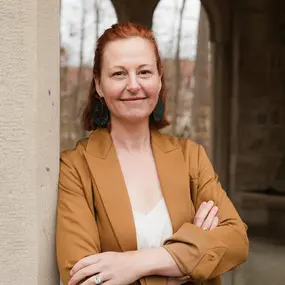
Valena Beety is a law professor, innocence litigator, and former federal prosecutor who has exonerated the wrongfully convicted, secured presidential grants of clemency, and produced scholarship cited by U.S. Supreme Court Justice Sonia Sotomayor. Her work centers the women and queer people most targeted by the U.S. criminal legal system. Her newest book, Pink Crime: Fighting the Criminalization of Motherhood, Pregnancy, and Queer Identity (The New Press, 2026), examines how the criminal legal system targets pregnant women, new mothers, and queer people — and explains how when your identity is the crime, innocence is no defense.
