
Tom Teicher on Prison, Homelessness & the 28th Amendment | Ep 338

Tom Teicher spent twenty-two years inside the systems most people only argue about from a distance. Twelve years helping people find their footing after prison. A decade working on homelessness in Seattle. Then he did something unusual for a man with that resume: he turned his attention to the Constitution itself.
In this conversation, Bruce Anthony sits down with Tom Teicher to trace the whole arc, from a childhood where the world felt like his oyster to a career spent meeting people who never got that same head start. They get into what actually helps someone coming home from prison, why a full-time job still is not enough to keep a roof over your head, and how two decades of watching institutions fall short led Teicher to one provocative idea: a 28th Amendment that would call a constitutional convention roughly every forty years.
It is an idea that cuts both ways, and Bruce does not let it slide. If you can reopen the Constitution, you can reopen everything in it, including the protections that had to be fought for and won. What follows is an honest, no-flinching exchange about foundations, resilience, and what a country owes the people living inside it.
#podcast #TomTeicher #28thAmendment #Constitution #PrisonReform #PrisonerReentry #Homelessness #CriminalJusticeReform #ArticleV #ConstitutionalReform #CivicEngagement #HousingCrisis #Democracy #unsolicitedperspectives

 Apple Podcasts
 Spotify
 YouTube
 Castro
 RSS Feed
 Amazon Music
 iHeartRadio
 TuneIn
 Podcast Addict
 Podchaser
 PocketCasts
 Deezer
 PlayerFM
 Goodpods
 Summary
Tom Teicher spent more than two decades inside the systems most people only argue about from a distance: over a decade helping people find their footing after prison, and another decade working on homelessness in Seattle. On this episode, Bruce Anthony sits down with him to trace the whole arc, from a childhood where the world felt wide open to a career spent meeting people who never got that same head start. They dig into what actually helps someone coming home from prison, why a full-time job still is not enough to keep a roof over your head, and how years of watching institutions fall short led Tom to one provocative idea.
That idea is a 28th Amendment, a structured process that would have the country stop roughly every 40 years, take an honest look at the Constitution, and ask whether it is still doing what it was built to do. Bruce is fifty-fifty on it, and he does not let it slide, pressing on the risk of reopening a document that has held the country together for nearly 240 years. What follows is a candid conversation about broken systems, resilience, and what a country owes the people living inside it.
About the Guest
Tom Teicher is a civic reform advocate whose central project is a proposed 28th Amendment that would call a constitutional convention roughly every 40 years. Before turning to constitutional questions, he spent more than twenty years working inside the systems he now wants to reform: twelve years as an executive director in prisoner reentry and a decade working on homelessness and housing in Seattle. He came up through a background in law, business, and nonprofit leadership, and he frames that frontline experience, rather than theory, as the source of his reform ideas. He shares his proposal and civic-dialogue work at tomteicher.com.
Host Bruce Anthony is the founder of Unsolicited Perspectives, a podcast covering important events and topics shaping today's society.
Key Takeaways
- Reentry does not start the day someone leaves prison, it starts the day they walk in; the plan a person builds behind bars rarely survives contact with the outside.
- Resilience and a real support system, family, friends, community, are what separate the people who make it from the people who cycle back.
- Prison is predictable and freedom is not, and that certainty can pull people back toward the very system that held them.
- "Why don't they just get a job" ignores the working poor who put in 40 hours a week and still cannot afford housing.
- Homeless veterans are proof the system can work when the country actually decides to fund and prioritize a fix.
- The safety net is not really a system, it is a set of fragmented programs operating in silos, which is where people fall through.
- Tom's 28th Amendment would schedule a constitutional convention roughly every 40 years, with built-in procedure and no limits on the subjects delegates can take up.
- His proposed 80 percent approval threshold for selecting delegates is designed to keep dark money and partisanship from putting a thumb on the scale.
Quotes
Tom Teicher: "They've got a plan. But they have forgotten the old Mike Tyson line. Everyone's got a plan till they get punched in the face."
Tom Teicher: "We have an obligation as a society to provide an economic foundation for everyone. That provides the foundation to put food on the table, a roof over your head, healthcare."
Tom Teicher: "The idea, in my view, is to have a constitutional convention which can address as few issues or as many issues as the delegates want. The 40-year idea is simply to space it properly."
Bruce Anthony: "If somebody comes home from prison and we tell them they need to do better, but we make it damn near impossible for them to rebuild, what exactly are we asking for?"
Bruce Anthony: "A system doesn't become good simply because we've had it for a long time. Sometimes you have to stop, take a look at what you've built, and ask whether it's still serving the people it's supposed to serve."
Chapters:
00:00:00 22 years inside failing prisons and housing and a daring fix 🏛📜🔥
00:02:17 Meet Tom Teicher: 22 years on the front lines of the system 🧑🔒🏠
00:04:31 A Leave It to Beaver childhood and discovering another New York 🏡🚆🗽
00:10:12 Housing inspections to juvenile jail: seeing the system fail 🏚🔒📋
00:14:59 Tough love, poverty, and why so much crime tracks circumstance 👊💸⚖
00:21:59 Why reentry starts the day you enter prison, and resilience 🔓🥊💪
00:24:16 Support systems, stereotypes, and the quiet pull back to prison 🤝🔄🔒
00:27:34 Working and still homeless: what just get a job totally misses 💼🏠❓
00:32:03 Homeless veterans prove it works, and a safety net in silos 🎖🧩📉
00:39:22 The 28th Amendment explained: why the Constitution has to evolve 📜🔄🏛
00:42:27 The runaway convention fear and why a full reset every 40 years ⚠🌀⏳
00:48:06 Keeping dark money out of delegate picks and the 80 percent rule 💰🚫🗳
00:55:57 Ratification, majority rule, and why no state will sit this out ✍🗳🤝
00:58:06 The slippery slope: could a convention gut our current rights? ⚠📜🛑
00:59:39 People are dumb: can voters be trusted with the Constitution? 🧠📱❓
01:01:22 Responsibility for all, trusting the process, and the verdict 📰🧭🙌
01:08:45 People need a foundation, and the real question of what we owe 🧱🤝💭
This isn't just content — it's a conversation. Subscribe, hit the bell, and drop a comment. What you think matters here.
Want the unfiltered version? The takes we don't soften, the extra conversations, the real behind-the-scenes?
🔓 YouTube Membership: https://www.youtube.com/channel/UCL4HuzYPchKvoajwR9MLxSQ/join
💸 Patreon: patreon.com/unsolicitedperspectives
Full episodes, clips, merch, and everything Unsolicited Perspectives in one place:
🌐 www.unsolicitedperspectives.com
See you in the next one.
#UnsolicitedPerspectives #BlackCulture #BlackPodcast #SocialCommentary #CurrentEvents #PopCulture #Podcast #BlackHistory #Entertainment #relationships
Beat Provided By https://freebeats.io | Produced By White Hot
Thank you for tuning in to 'Unsolicited Perspectives.' We hope you enjoyed this episode featuring unique and authentic views on current events, social-political topics, race, class, and gender. Stay engaged with us as we continue to provide insightful commentary and captivating interviews. Join us on this journey of exploration and thought-provoking conversations, and remember, your perspective matters!
22 years inside failing prisons and housing and a daring fix 🏛📜🔥
Bruce Anthony: A man spends [00:00:01] 22 years [00:00:02] watching our prisons and [00:00:03] housing systems [00:00:04] fail people [00:00:05] and walks away [00:00:06] convinced the fix [00:00:07] starts with the [00:00:08] Constitution itself. [00:00:09] We gonna get [00:00:10] into it. [00:00:11] Let's get [00:00:12] it
[00:00:13] [00:00:14] [00:00:15] [00:00:16] [00:00:17] [00:00:18] [00:00:19] [00:00:20] [00:00:21] [00:00:22] [00:00:23]
Bruce Anthony: Welcome. [00:00:24] First of all, [00:00:25] welcome. This is [00:00:26] Unsolicited Perspectives. [00:00:27] I am your host, Bruce [00:00:28] Anthony, here to lead [00:00:29] the conversation in [00:00:30] important events [00:00:31] and topics that are [00:00:32] shaping today's [00:00:33] society. Join the [00:00:34] conversation and follow us [00:00:35] wherever you get your audio [00:00:36] podcasts. [00:00:37] Subscribe to our YouTube channel [00:00:38] for our video [00:00:39] podcast, YouTube exclusive [00:00:40] content, and our [00:00:41] YouTube membership.
[00:00:42] Rate, review, [00:00:43] like, [00:00:44] comment, share. [00:00:45] Share with your friends, [00:00:46] share with your [00:00:47] family. Hell, [00:00:48] even share with your [00:00:49] enemies.
On [00:00:50] today's episode,
[00:00:51] I'm sitting down with [00:00:52] Tom Tycer a man [00:00:53] who spent 22 [00:00:54] years in the trenches [00:00:55] of prison [00:00:56] entry and homelessness [00:00:57] before he decided to take [00:00:58] on constitutional [00:00:59] reform. We're gonna be [00:01:00] talking prison, the [00:01:01] unhoused, [00:01:02] and the Constitution. [00:01:03] But that's enough of the [00:01:04] intro. [00:01:05] Let's get to the [00:01:06] show
Bruce Anthony: [00:01:07] [00:01:08] [00:01:09] [00:01:10] [00:01:11] [00:01:12] [00:01:13] [00:01:14] I wanna [00:01:15] start somewhere personal [00:01:16] today because this one [00:01:17] hits close to home for me. [00:01:18] I know people [00:01:19] who have been to prison [00:01:20] and have come back out of [00:01:21] it. I've seen it. [00:01:22] Not read about it, [00:01:23] seen it. [00:01:24] What [00:01:25] reentry actually [00:01:26] looks like once [00:01:27] somebody walks through [00:01:28] that prison door [00:01:29] and realizes the [00:01:30] second chance [00:01:31] everybody talks about [00:01:32] ain't [00:01:33] nearly as [00:01:34] easy as it [00:01:35] sounds.
[00:01:36] Everybody loves talking [00:01:37] about second [00:01:38] chances. Giving [00:01:39] somebody one, [00:01:40] whole different story. [00:01:41] And the thing [00:01:42] is, this ain't [00:01:43] some issue that's [00:01:44] happening somewhere [00:01:45] far away from us. [00:01:46] It's somebody's [00:01:47] family, [00:01:48] somebody you grew up with, [00:01:49] somebody down the [00:01:50] block, somebody [00:01:51] who made a bad [00:01:52] decision and now has to [00:01:53] figure out how to rebuild [00:01:54] a life when [00:01:55] the system keeps [00:01:56] reminding them [00:01:57] of the worst thing that [00:01:58] they ever did.[00:01:59]
Same [00:02:00] thing for the [00:02:01] unhoused. I've [00:02:02] talked about it on this [00:02:03] show before because [00:02:04] every time the subject [00:02:05] comes up, [00:02:06] I like to talk [00:02:07] about it because [00:02:08] idiots out there [00:02:09] love to say, "Why don't [00:02:10] they just get a job?" [00:02:11] Somebody literally said [00:02:12] that to me one time, [00:02:13] and [00:02:14] it's not that [00:02:15] simple. That answer [00:02:16] skips over everything.[00:02:17]
Meet Tom Teicher: 22 years on the front lines of the system 🧑🔒🏠
Bruce Anthony: The systems that [00:02:18] don't work, the [00:02:19] barriers people run into, [00:02:20] the reason [00:02:21] somebody can be [00:02:22] trying to get their life [00:02:23] together and [00:02:24] still end up with [00:02:25] nowhere to sleep. [00:02:26] These are [00:02:27] people, [00:02:28] not someone that [00:02:29] you step [00:02:30] around on your way to [00:02:31] lunch, [00:02:32] and that's why I wanted to [00:02:33] have this [00:02:34] conversation today. [00:02:35] My guest, Tom [00:02:36] Tyker, spent 10 [00:02:37] years working [00:02:38] in prison [00:02:39] reentry in Seattle, helping [00:02:40] people come home and [00:02:41] try to rebuild their [00:02:42] lives. Then he [00:02:43] spent another 10 [00:02:44] years working with the [00:02:45] unhoused [00:02:46] in Seattle.[00:02:47]
So when Tom talks [00:02:48] about these systems, [00:02:49] he's not talking about [00:02:50] something that he read in a [00:02:51] book. He spent more [00:02:52] than 20 [00:02:53] years actually in [00:02:54] it. He saw where [00:02:55] these institutions [00:02:56] worked, where they [00:02:57] didn't, and [00:02:58] who got left [00:02:59] behind. [00:03:00] And now he's taken that [00:03:01] experience and [00:03:02] connected it to [00:03:03] something a whole lot [00:03:04] bigger, a [00:03:05] 28th [00:03:06] amendment.
The [00:03:07] basic idea is that [00:03:08] every 40 [00:03:09] years, we should have a [00:03:10] structured process to [00:03:11] take a hard look at the [00:03:12] Constitution [00:03:13] and ask, [00:03:14] "Is this [00:03:15] thing still working the [00:03:16] way it's supposed to?" [00:03:17] Now I [00:03:18] know what a lot [00:03:19] of y'all are thinking. [00:03:20] That sounds like a good [00:03:21] idea to some [00:03:22] people, and probably scares the [00:03:23] hell out of a lot of [00:03:24] other people, [00:03:25] especially when you start [00:03:26] talking about a [00:03:27] convention with no [00:03:28] limits on what could be [00:03:29] considered. So we're [00:03:30] gonna get into [00:03:31] all of that today, [00:03:32] but for me, the [00:03:33] heart of the [00:03:34] conversation is still the people.
[00:03:35] The people coming home from [00:03:36] prison, the people [00:03:37] trying to get off the [00:03:38] streets, and the [00:03:39] people this country has [00:03:40] gotten way [00:03:41] too comfortable [00:03:42] looking right past. [00:03:43] [00:03:44] That's where I wanna [00:03:45] start. [00:03:46] That's where this [00:03:47] conversation [00:03:48] matters. So [00:03:49] without further [00:03:50] ado, [00:03:51] Tom [00:03:52] [00:03:53] Tyker
As I said [00:03:54] at [00:03:55] the top, I'm here with Tom Tycer. We're [00:03:56] going to be talking [00:03:57] about [00:03:58] re-entry [00:03:59] from prison, the [00:04:00] [00:04:01] unhoused, and his [00:04:02] idea for the [00:04:03] 28th Amendment. [00:04:04] Tom, it is my [00:04:05] pleasure to have you on the [00:04:06] show. This is very [00:04:07] interesting, [00:04:08] especially, [00:04:09] uh, your 28th [00:04:10] Amendment [00:04:11] idea. I think this is gonna be a [00:04:12] very good [00:04:13] conversation, [00:04:14] another conversation for [00:04:15] people to [00:04:16] learn the [00:04:17] process of amendments, [00:04:18] 'cause it seems like people [00:04:19] didn't get that civics [00:04:20] lesson that [00:04:21] they should have gotten [00:04:22] back in high school.
[00:04:23] But [00:04:24] thank you for coming on the [00:04:25] show and having this [00:04:26] conversation with [00:04:27] me
Tom Teicher: Well, Bruce, [00:04:28] thank you. I, I [00:04:29] really appreciate the [00:04:30] opportunity
Bruce Anthony: Of [00:04:31]
A Leave It to Beaver childhood and discovering another New York 🏡🚆🗽
Bruce Anthony: course. I [00:04:32] start every [00:04:33] interview with the [00:04:34] very same question, [00:04:35] and [00:04:36] it is, [00:04:37] let's go back in [00:04:38] time. [00:04:39] Take me to [00:04:40] you growing up, [00:04:41] your [00:04:42] upbringing, th- your [00:04:43] house that you grew up [00:04:44] in, not your literal house, [00:04:45] but the house that you grew up [00:04:46] in, your parents, your [00:04:47] upbringing. What [00:04:48] shaped you to [00:04:49] become the person that you [00:04:50] are today?[00:04:51]
Tom Teicher: [00:04:52] I, I actually think [00:04:53] that's a, a [00:04:54] very useful [00:04:55] question, at least in, in [00:04:56] my [00:04:57] case. I was born [00:04:58] in New York City. [00:04:59] I [00:05:00] grew up a [00:05:01] few miles [00:05:02] outside in New [00:05:03] Rochelle, very nice [00:05:04] town. [00:05:05] [00:05:06] I grew up [00:05:07] on a, a [00:05:08] dead-end street. Uh, the [00:05:09] word cul-de-sac didn't [00:05:10] exist then. [00:05:11] It was a [00:05:12] wonderful way [00:05:13] to grow [00:05:14] up because it was [00:05:15] very little traffic, so you [00:05:16] could play ball on the [00:05:17] street.
All the [00:05:18] kids knew all the kids. [00:05:19] All the parents knew all [00:05:20] the parents. [00:05:21] A really nice sense [00:05:22] of [00:05:23] community. I walked to my [00:05:24] local public school [00:05:25] to go to, to go to [00:05:26] school. It, it [00:05:27] was, [00:05:28] it was a very [00:05:29] "Leave It to Beaver-ish" [00:05:30] kind of [00:05:31] upbringing, and [00:05:32] I was, I [00:05:33] was really very [00:05:34] lucky. [00:05:35] And it [00:05:36] [00:05:37] gave me a sense that [00:05:38] the, um, the [00:05:39] world was my [00:05:40] oyster.
There was really [00:05:41] no [00:05:42] particular set of, [00:05:43] of limits, and that's [00:05:44] a kind of a, [00:05:45] a luxurious [00:05:46] place to [00:05:47] be. But it's, [00:05:48] um... I think there's [00:05:49] a big difference [00:05:50] [00:05:51] between looking at [00:05:52] life as [00:05:53] how do I survive, [00:05:54] how do I get by, [00:05:55] [00:05:56] versus seeing [00:05:57] that the [00:05:58] opportunities are there. [00:05:59] And yes, I've [00:06:00] got to do the work. [00:06:01] I've got to take advantage of [00:06:02] the opportunities, [00:06:03] but the doors [00:06:04] are open, and [00:06:05] if I [00:06:06] screw up at some point, [00:06:07] there will be [00:06:08] the people there to [00:06:09] help me get up and [00:06:10] [00:06:11] proceed on my journey [00:06:12] and do what [00:06:13] I need to do.[00:06:14] [00:06:15]
So it was [00:06:16] a very nice way [00:06:17] to grow up. In, uh, in [00:06:18] the early years, I would [00:06:19] call it middle-class. [00:06:20] Teen [00:06:21] years, [00:06:22] we moved to [00:06:23] the so-called [00:06:24] better side of the tracks, [00:06:25] a-and it [00:06:26] was more [00:06:27] of an upper middle-class [00:06:28] upbringing at that [00:06:29] point.
Bruce Anthony: That's [00:06:30] so interesting [00:06:31] because, you know, [00:06:32] uh, one half [00:06:33] of my family's from New [00:06:34] York City and, [00:06:35] uh, [00:06:36] almost all of the [00:06:37] boroughs. [00:06:38] And it, it's so [00:06:39] funny how [00:06:40] you have [00:06:41] this [00:06:42] [00:06:43] so [00:06:44] many different cultures [00:06:45] and groups and [00:06:46] backgrounds [00:06:47] in New York [00:06:48] City, but at a [00:06:49] certain period of [00:06:50] time, [00:06:51] uh, and, and almost [00:06:52] still [00:06:53] so much, [00:06:54] somewhat so [00:06:55] segregated.
[00:06:56] And [00:06:57] between the haves and the [00:06:58] have-nots, [00:06:59] and not just the [00:07:00] races, but the haves and the [00:07:01] have-nots, and [00:07:02] how [00:07:03] there can be a [00:07:04] melting pot [00:07:05] in certain places in New [00:07:06] York, but at the [00:07:07] same time you could [00:07:08] be very [00:07:09] excluded to [00:07:10] just your own little [00:07:11] section, as you [00:07:12] say, where you're not [00:07:13] really... [00:07:14] There are no [00:07:15] worries. It's [00:07:16] the very "Leave It to [00:07:17] Beaver" type [00:07:18] situation.
Was there-- [00:07:19] When did [00:07:20] you discover [00:07:21] the other parts [00:07:22] of New [00:07:23] York City?[00:07:24]
Tom Teicher: You know, [00:07:25] it's interesting. [00:07:26] Combination [00:07:27] of [00:07:28] circumstances and I guess my [00:07:29] personal interests. [00:07:30] I got a [00:07:31] very good look [00:07:32] at the worlds of both [00:07:33] the haves [00:07:34] and the [00:07:35] have-nots. [00:07:36] Even when we [00:07:37] were living in the [00:07:38] suburbs, I [00:07:39] still had lots of [00:07:40] family in the [00:07:41] city. [00:07:42] My [00:07:43] dad worked [00:07:44] in [00:07:45] Chelsea, which at [00:07:46] that time was [00:07:47] kind of a, [00:07:48] [00:07:49] a lower [00:07:50] income [00:07:51] working class Puerto Rican [00:07:52] neighborhood.[00:07:53] [00:07:54]
Uh, [00:07:55] even, you know, even [00:07:56] something as [00:07:57] simple as [00:07:58] taking the train [00:07:59] from New Rochelle [00:08:00] to Grand Central [00:08:01] Station, [00:08:02] there was that one [00:08:03] stop at [00:08:04] 125th [00:08:05] Street, [00:08:06] Spanish Harlem, [00:08:07] and you [00:08:08] just by looking [00:08:09] out the window, [00:08:10] you got a good [00:08:11] look at that [00:08:12] other world. [00:08:13] And I, I [00:08:14] just found [00:08:15] that it, it was, [00:08:16] it was [00:08:17] fascinating. It was [00:08:18] intriguing just [00:08:19] seeing those other [00:08:20] worlds.
I, I [00:08:21] also, the [00:08:22] teenage years, [00:08:23] [00:08:24] uh, my parents sent [00:08:25] my brothers and [00:08:26] me to a [00:08:27] a, a [00:08:28] prep school in the [00:08:29] Bronx. Uh, [00:08:30] and [00:08:31] [00:08:32] so I was in the [00:08:33] city every day. [00:08:34] It was a, an [00:08:35] upper crust [00:08:36] neighborhood in the [00:08:37] Bronx. Most [00:08:38] people didn't realize that there [00:08:39] were such things.[00:08:40]
Bruce Anthony: Me, neither did [00:08:41] I.
Tom Teicher: right. [00:08:42] But [00:08:43] still being in [00:08:44] the city, getting [00:08:45] a, a feel [00:08:46] for it, seeing all [00:08:47] kinds of people [00:08:48] was [00:08:49] fascinating and, [00:08:50] [00:08:51] frankly, that [00:08:52] provided the impetus [00:08:53] for my own [00:08:54] sense of [00:08:55] purpose.
[00:08:56] When you do grow [00:08:57] up in a way [00:08:58] where [00:08:59] you feel like you have [00:09:00] choices, [00:09:01] you don't [00:09:02] have to focus [00:09:03] simply on, [00:09:04] what do I [00:09:05] do to get [00:09:06] by? You have [00:09:07] choices. You can [00:09:08] look to make lots of money, [00:09:09] and that's fine. [00:09:10] For whatever [00:09:11] reason, I just wasn't [00:09:12] particularly [00:09:13] materialistic, [00:09:14] and I was much [00:09:15] more interested in [00:09:16] seeing [00:09:17] whether I could put [00:09:18] in my two [00:09:19] cents to help [00:09:20] ensure [00:09:21] that [00:09:22] everyone has a [00:09:23] decent chance [00:09:24] at, uh, living a [00:09:25] good life, and that [00:09:26] became kind of the [00:09:27] focus of the [00:09:28] development of [00:09:29] my career.[00:09:30]
Bruce Anthony: Yeah, so that [00:09:31] was gonna lead me right [00:09:32] into my second [00:09:33] question. A-and that it [00:09:34] seems like that [00:09:35] curiosity of [00:09:36] people, [00:09:37] especially when [00:09:38] you're, you're [00:09:39] taking that train or you're [00:09:40] going to prep [00:09:41] school, [00:09:42] was [00:09:43] really piqued [00:09:44] and, and it seems [00:09:45] like that's [00:09:46] what points you [00:09:47] into the career [00:09:48] of [00:09:49] [00:09:50] working with people that [00:09:51] most people [00:09:52] would rather not [00:09:53] think about, whether it [00:09:54] being those people [00:09:55] that were [00:09:56] incarcerated and coming out [00:09:57] and [00:09:58] those people that are [00:09:59] unhoused.
Would you, would [00:10:00] you say like, [00:10:01] "Okay, [00:10:02] this, this [00:10:03] curiosity definitely [00:10:04] pushed me in that [00:10:05] direction"? And if it [00:10:06] did, [00:10:07] what were the [00:10:08] steps to get [00:10:09] to doing that [00:10:10] type of work?[00:10:11]
Tom Teicher: Well, [00:10:12]
Housing inspections to juvenile jail: seeing the system fail 🏚🔒📋
Tom Teicher: it's [00:10:13] interesting. My [00:10:14] [00:10:15] first, uh, [00:10:16] job, it [00:10:17] was a volunteer [00:10:18] job. [00:10:19] A- and again, [00:10:20] it was just that I [00:10:21] was [00:10:22] [00:10:23] [00:10:24] fascinated And I guess [00:10:25] concerned as a [00:10:26] citizen [00:10:27] by the [00:10:28] circumstances of [00:10:29] folks who, um, [00:10:30] [00:10:31] where [00:10:32] life [00:10:33] did not put them in a good [00:10:34] place. I took a [00:10:35] volunteer job [00:10:36] working... I, [00:10:37] I think I was... [00:10:38] I don't know, maybe it [00:10:39] was a f- [00:10:40] freshman year [00:10:41] in high school.
[00:10:42] Maybe it was a summer [00:10:43] job that [00:10:44] complemented a, [00:10:45] um, a paid [00:10:46] job that I had. So a [00:10:47] couple of times a week, [00:10:48] I would go into the city [00:10:49] and [00:10:50] work for at [00:10:51] least what was then called [00:10:52] the city's [00:10:53] Housing and Development [00:10:54] Administration. [00:10:55] And this [00:10:56] particular [00:10:57] department [00:10:58] was the [00:10:59] so-called Receivership [00:11:00] Unit, [00:11:01] which meant that they [00:11:02] were [00:11:03] responsible [00:11:04] for [00:11:05] overseeing apartments in the [00:11:06] city [00:11:07] where, due to the [00:11:08] conditions of [00:11:09] the [00:11:10] apartment [00:11:11] or because the [00:11:12] owner wasn't paying their [00:11:13] taxes, [00:11:14] [00:11:15] that, [00:11:16] uh, the [00:11:17] city might have to look [00:11:18] to, uh, [00:11:19] take over or [00:11:20] assume control over [00:11:21] those units.
[00:11:22] And so [00:11:23] I worked as a [00:11:24] volunteer to [00:11:25] help, [00:11:26] uh, review [00:11:27] the conditions of [00:11:28] these units, and, [00:11:29] [00:11:30] and that gave me [00:11:31] my, [00:11:32] certainly my most [00:11:33] in-depth, [00:11:34] [00:11:35] look [00:11:36] at [00:11:37] people who, [00:11:38] uh, whose [00:11:39] conditions are really [00:11:40] awful. [00:11:41] And you walk into [00:11:42] a building, it [00:11:43] acquainted me with [00:11:44] the, [00:11:45] [00:11:46] the, the smell [00:11:47] of [00:11:48] urine and [00:11:49] alcohol. I-- [00:11:50] We didn't [00:11:51] have that experience in the [00:11:52] suburbs.
[00:11:53] And, [00:11:54] and [00:11:55] so it was, it was [00:11:56] kind of [00:11:57] eye-opening. You know, at, [00:11:58] at the end of the [00:11:59] day, it was just [00:12:00] seeing that, all [00:12:01] right, I'm [00:12:02] lucky enough to be in a [00:12:03] position where [00:12:04] I can maybe [00:12:05] contribute to [00:12:06] giving everybody a, [00:12:07] a fair shake. [00:12:08] The, [00:12:09] the [00:12:10] the path to [00:12:11] get there was not [00:12:12] a clear-cut [00:12:13] one. [00:12:14] [00:12:15] The [00:12:16] decision I made, whether [00:12:17] it was the right one or [00:12:18] not, [00:12:19] was to attend law [00:12:20] school after [00:12:21] college.[00:12:22] [00:12:23]
I [00:12:24] I'd gone [00:12:25] to college [00:12:26] at a small liberal [00:12:27] arts school in Ohio. [00:12:28] I went to law [00:12:29] school down South. [00:12:30] It's a good way to [00:12:31] see America. [00:12:32] You know [00:12:33] uh, I had never really [00:12:34] crossed the Hudson River [00:12:35] to see what else was out [00:12:36] there, so that was, [00:12:37] that was a good [00:12:38] education. Then I [00:12:39] came back [00:12:40] to New York, took an [00:12:41] apartment [00:12:42] on [00:12:43] the Upper West [00:12:44] Side at a time when it [00:12:45] was still [00:12:46] affordable.
[00:12:47] And, [00:12:48] [00:12:49] uh, I took a couple [00:12:50] of jobs working in the [00:12:51] criminal [00:12:52] and juvenile [00:12:53] justice system. [00:12:54] And [00:12:55] [00:12:56] and that was [00:12:57] useful in, in its [00:12:58] own way too, [00:12:59] particularly the second [00:13:00] job. [00:13:01] I worked as [00:13:02] the [00:13:03] ombudsman, the [00:13:04] advocate for the kids [00:13:05] locking, locked up [00:13:06] in our [00:13:07] juvenile jail [00:13:08] in, in the South [00:13:09] Bronx. It was a place called [00:13:10] Spofford Juvenile [00:13:11] Center.
It doesn't exist [00:13:12] anymore. [00:13:13] [00:13:14] But it was [00:13:15] it [00:13:16] was an interesting [00:13:17] experience. [00:13:18] Uh, the job [00:13:19] itself- [00:13:20] [00:13:21] [00:13:22] was neither here nor [00:13:23] there. But [00:13:24] sitting down with these [00:13:25] kids [00:13:26] and hearing their [00:13:27] stories [00:13:28] was, was [00:13:29] totally [00:13:30] fascinating. [00:13:31] And, [00:13:32] the [00:13:33] one big takeaway I [00:13:34] had from that [00:13:35] experience was [00:13:36] the, the tragedy [00:13:37] for so many of these [00:13:38] kids.
And these kids were [00:13:39] 13, 14, [00:13:40] 15 years [00:13:41] old. In [00:13:42] New York State, [00:13:43] [00:13:44] uh, you became an [00:13:45] adult for [00:13:46] criminal [00:13:47] purposes at 16, [00:13:48] not 18.[00:13:49]
So these kids, [00:13:50] this?
is in the [00:13:51] late '70s.[00:13:52]
Bruce Anthony: Okay.[00:13:53]
Tom Teicher: It's a long time [00:13:54] ago. That's why I've [00:13:55] got all this white hair. [00:13:56] [00:13:57] The-- [00:13:58] [00:13:59] And [00:14:00] and there was a [00:14:01] theme I heard over [00:14:02] and over and [00:14:03] over again in [00:14:04] listening to these [00:14:05] kids, [00:14:06] which was the [00:14:07] mistake that the [00:14:08] system had made [00:14:09] was [00:14:10] that they would [00:14:11] [00:14:12] start off by doing [00:14:13] something that got [00:14:14] them in trouble, [00:14:15] and [00:14:16] the [00:14:17] system's responsive-- [00:14:18] response was [00:14:19] [00:14:20] insufficient.
Maybe a, a [00:14:21] little tap on the [00:14:22] hand, [00:14:23] but not enough to get [00:14:24] their attention. [00:14:25] And [00:14:26] so they would go [00:14:27] out and do stuff [00:14:28] again and do [00:14:29] stuff again, and then it [00:14:30] becomes habitual. And [00:14:31] then one day they start [00:14:32] doing something really [00:14:33] serious, and [00:14:34] everybody starts throwing the book [00:14:35] at them. And [00:14:36] at that point, it's, it's a [00:14:37] big problem.[00:14:38]
And the [00:14:39] point simply being [00:14:40] that the [00:14:41] system would have done them a [00:14:42] favor [00:14:43] had they [00:14:44] given them a little bit of [00:14:45] tough love early on. [00:14:46] Nothing [00:14:47] disproportionate, [00:14:48] nothing crazy, [00:14:49] but just [00:14:50] something to get [00:14:51] their attention. [00:14:52] And nobody had [00:14:53] early on, and it [00:14:54] was really, [00:14:55] It didn't really do them any [00:14:56] favors. So [00:14:57] anyway, it was, it was an [00:14:58] interesting experience [00:14:59]
Tough love, poverty, and why so much crime tracks circumstance 👊💸⚖
Bruce Anthony: Uh, give me an [00:15:00] example. [00:15:01] Uh, give me an [00:15:02] example of, [00:15:03] let's [00:15:04] say that [00:15:05] a [00:15:06] young [00:15:07] man, 13 [00:15:08] years old in the [00:15:09] South Bronx in [00:15:10] [00:15:11] 1977, [00:15:12] uh, [00:15:13] [00:15:14] stole [00:15:15] food [00:15:16] from the bodega.[00:15:17]
Tom Teicher: Mm-hmm.[00:15:18]
Bruce Anthony: What [00:15:19] was the [00:15:20] punishment [00:15:21] and what did you, [00:15:22] what did you [00:15:23] sug- what would you [00:15:24] suggest should [00:15:25] be the [00:15:26] punishment to [00:15:27] kind of get [00:15:28] their [00:15:29] [00:15:30] attention?
Tom Teicher: I would [00:15:31] say [00:15:32] the, uh, [00:15:33] the punishment [00:15:34] was [00:15:35] mostly, uh, [00:15:36] somebody, uh, waving [00:15:37] a finger at them [00:15:38] and [00:15:39] saying, "We're putting you, [00:15:40] you know, [00:15:41] on some [00:15:42] kind of [00:15:43] probationary status," [00:15:44] uh, with [00:15:45] no [00:15:46] apparent [00:15:47] consequence at the end of [00:15:48] that. [00:15:49] Just don't do [00:15:50] that again. [00:15:51] [00:15:52] The [00:15:53] [00:15:54] appropriate [00:15:55] response might [00:15:56] have been... [00:15:57] wouldn't necessarily [00:15:58] require a [00:15:59] confinement.
It [00:16:00] could be some [00:16:01] kind of [00:16:02] community [00:16:03] service, [00:16:04] something [00:16:05] that [00:16:06] let them know [00:16:07] that, "All right, [00:16:08] [00:16:09] here are some people whose [00:16:10] lives you have [00:16:11] impacted, [00:16:12] and it [00:16:13] was wrong, [00:16:14] and maybe you should get a [00:16:15] close-up look at what it [00:16:16] is that you did and think [00:16:17] about it. [00:16:18] And in any case, [00:16:19] we're gonna take some of your [00:16:20] time [00:16:21] to make you do [00:16:22] something and make you [00:16:23] think about this [00:16:24] and [00:16:25] give you [00:16:26] pause and, and the like." [00:16:27] [00:16:28] So [00:16:29] something a-along those lines. [00:16:30] It doesn't have to be [00:16:31] drastic, 'cause by the [00:16:32] time the system [00:16:33] does respond, [00:16:34] then they're locked [00:16:35] up, and then they're [00:16:36] developing new habits, [00:16:37] and then [00:16:38] they're in a [00:16:39] prison environment [00:16:40] which has [00:16:41] its own [00:16:42] dysfunctionality to it.
Bruce Anthony: [00:16:43] Yeah. We're, we're [00:16:44] gonna get to that. [00:16:45] Uh, I'm [00:16:46] curious, [00:16:47] uh, to know your [00:16:48] perspective as [00:16:49] somebody who was on the [00:16:50] front lines [00:16:51] [00:16:52] of doing [00:16:53] the housing thing, where [00:16:54] you're going in and [00:16:55] observing these [00:16:56] houses, and then [00:16:57] later being an [00:16:58] advocate for [00:16:59] these, [00:17:00] these youth that are [00:17:01] being, uh, [00:17:02] arrested, [00:17:03] and, [00:17:04] and charged [00:17:05] for various [00:17:06] crimes. [00:17:07] [00:17:08] Could there have [00:17:09] been, [00:17:10] even [00:17:11] before a [00:17:12] punishment, [00:17:13] something that we [00:17:14] could have done so [00:17:15] that they wouldn't commit the [00:17:16] crimes in the first [00:17:17] place? What I'm [00:17:18] a- asking is, are [00:17:19] a lot of these [00:17:20] crimes that [00:17:21] these youth were [00:17:22] being caught, [00:17:23] was [00:17:24] it a crime of [00:17:25] ju- just bad [00:17:26] kids and committed crime, [00:17:27] or was it a [00:17:28] crime because they [00:17:29] had nothing [00:17:30] and they [00:17:31] were trying to get [00:17:32] something?
Whether that [00:17:33] was they were hungry [00:17:34] because there was no food at [00:17:35] home and they're [00:17:36] stealing food [00:17:37] in order to eat. I- [00:17:38] I- [00:17:39] Is there a connection [00:17:40] there between [00:17:41] the environment [00:17:42] that they grew up [00:17:43] in, uh, the [00:17:44] lack of [00:17:45] opportunity, uh, [00:17:46] that they might have, [00:17:47] or [00:17:48] straight up [00:17:49] finances, [00:17:50] and then [00:17:51] crime being an [00:17:52] option?[00:17:53]
Tom Teicher: Right. [00:17:54] Well, [00:17:55] the [00:17:56] [00:17:57] i-i-in my [00:17:58] view, uh, [00:17:59] there is a sort of a [00:18:00] broader [00:18:01] systemic failure. [00:18:02] Kids are kids. [00:18:03] You know, I was [00:18:04] no better or worse than [00:18:05] a-any of those [00:18:06] kids were. [00:18:07] [00:18:08] But I had [00:18:09] choices. I had [00:18:10] people to [00:18:11] encourage me when I needed [00:18:12] encouragement [00:18:13] people who could [00:18:14] give me a kick in the butt [00:18:15] as [00:18:16] [00:18:17] needed. These kids grew [00:18:18] up on a, on a very [00:18:19] difficult [00:18:20] [00:18:21] circumstances. But it's, in a [00:18:22] sense, it's a much broader [00:18:23] issue 'cause [00:18:24] it applies [00:18:25] to [00:18:26] everyone. [00:18:27] In, in [00:18:28] my view, [00:18:29] there [00:18:30] is a, [00:18:31] an [00:18:32] obligation that [00:18:33] we have as a [00:18:34] society [00:18:35] [00:18:36] to [00:18:37] provide a, [00:18:38] an economic [00:18:39] foundation [00:18:40] for [00:18:41] everyone. [00:18:42] [00:18:43] And that [00:18:44] provides [00:18:45] both [00:18:46] the [00:18:47] foundation to put [00:18:48] food on the table, [00:18:49] a roof over your [00:18:50] head, [00:18:51] healthcare, [00:18:52] et cetera, et cetera.[00:18:53]
It provides [00:18:54] you [00:18:55] theoretically an opportunity [00:18:56] to earn your way [00:18:57] in, in this [00:18:58] world [00:18:59] and develop the [00:19:00] skills [00:19:01] that you need. [00:19:02] [00:19:03] [00:19:04] [00:19:05] We don't have that. [00:19:06] We don't have a [00:19:07] system. We have a [00:19:08] lot of [00:19:09] fragments, and, [00:19:10] and [00:19:11] that means what we [00:19:12] have as a so-called [00:19:13] safety net [00:19:14] is [00:19:15] both ineffective [00:19:16] and inefficient, [00:19:17] and it, and it just, [00:19:18] it just [00:19:19] doesn't work very well.[00:19:20]
And it [00:19:21] even leads to [00:19:22] the sense of [00:19:23] [00:19:24] possibilities. I think, [00:19:25] I think [00:19:26] one's [00:19:27] attitude [00:19:28] is so much [00:19:29] a part of being [00:19:30] successful in [00:19:31] life. If [00:19:32] you think there [00:19:33] is a chance, [00:19:34] if you see [00:19:35] there is [00:19:36] there are [00:19:37] doors that could be [00:19:38] open, [00:19:39] I [00:19:40] think you're gonna live your [00:19:41] life very [00:19:42] differently than if you're [00:19:43] saying, "Well, look, [00:19:44] you [00:19:45] know, there really aren't any [00:19:46] doors open, [00:19:47] and I'm gonna have to take [00:19:48] shortcuts."
[00:19:49] Uh, w-we [00:19:50] all have to be [00:19:51] accountable for what we do at the end [00:19:52] of the day. [00:19:53] But [00:19:54] there's [00:19:55] there's a big [00:19:56] difference [00:19:57] between living [00:19:58] your life with a [00:19:59] sense that, all [00:20:00] right, there is [00:20:01] stability. [00:20:02] We [00:20:03] may not be rich or [00:20:04] anything, but there [00:20:05] are opportunities, [00:20:06] there is stability. [00:20:07] I can move forward with [00:20:08] my life. [00:20:09] As opposed to [00:20:10] me and my family, [00:20:11] we're just trying to, [00:20:12] to scrape by, and if we [00:20:13] have to take [00:20:14] shortcuts, uh, [00:20:15] so be [00:20:16] it.
So I [00:20:17] think [00:20:18] circumstances [00:20:19] and the way the [00:20:20] system [00:20:21] deals with it, and I think [00:20:22] the system [00:20:23] ideally [00:20:24] should [00:20:25] be one [00:20:26] based on [00:20:27] a [00:20:28] foundation [00:20:29] for everyone, [00:20:30] regardless of what their economic [00:20:31] circumstances are. I [00:20:32] think, I [00:20:33] think [00:20:34] targeting [00:20:35] it towards [00:20:36] lower income [00:20:37] people is, [00:20:38] is a more [00:20:39] bureaucratic [00:20:40] and not [00:20:41] an ideal approach.[00:20:42]
I would prefer [00:20:43] there be a solid [00:20:44] foundation for [00:20:45] everyone and enough [00:20:46] of a progressive [00:20:47] tax system to pay for [00:20:48] it.
Bruce Anthony: Yeah.
Bruce Anthony: [00:20:49] [00:20:50] [00:20:51] [00:20:52] [00:20:53] [00:20:54] [00:20:55] [00:20:56] Going back [00:20:57] to [00:20:58] your work with, [00:20:59] uh, [00:21:00] [00:21:01] prisoners, what did [00:21:02] you learn about [00:21:03] reentry that somebody who's [00:21:04] never been near [00:21:05] that system just [00:21:06] doesn't get? [00:21:07] And [00:21:08] also, [00:21:09] what's the part everybody [00:21:10] assumes is [00:21:11] the hard part, [00:21:12] and [00:21:13] what's the part that's [00:21:14] actually hard [00:21:15] that nobody even [00:21:16] talks about?[00:21:17]
Tom Teicher: Well, [00:21:18] all right, let's [00:21:19] start. [00:21:20] Reentry [00:21:21] starts while they're still [00:21:22] locked up. The [00:21:23] transition process [00:21:24] starts the [00:21:25] day they get into [00:21:26] prison, [00:21:27] and that provides [00:21:28] [00:21:29] [00:21:30] responsibilities for both. [00:21:31] The system has [00:21:32] a [00:21:33] responsibility, and [00:21:34] the inmate has a [00:21:35] responsibility. It's not [00:21:36] one or the other. [00:21:37] There need to [00:21:38] be [00:21:39] opportunities [00:21:40] for someone [00:21:41] to [00:21:42] address the [00:21:43] issues that may have been [00:21:44] relevant to getting [00:21:45] in [00:21:46] trouble.
Some of them could [00:21:47] be therapeutic [00:21:48] issues. Depends on what [00:21:49] nature of the crime is. [00:21:50] There needs [00:21:51] to be opportunities [00:21:52] perhaps to [00:21:53] develop skills [00:21:54] so that when they come [00:21:55] out, if [00:21:56] that is,
Why reentry starts the day you enter prison, and resilience 🔓🥊💪
Tom Teicher: uh, [00:21:57] an issue, that they can [00:21:58] go out, get [00:21:59] a job, [00:22:00] be productive [00:22:01] citizens and, and [00:22:02] all that. [00:22:03] [00:22:04] [00:22:05] [00:22:06] [00:22:07] There-
[00:22:08] There needs to [00:22:09] be a [00:22:10] practical [00:22:11] sense that [00:22:12] is [00:22:13] taught [00:22:14] to people. [00:22:15] See, the, [00:22:16] the most important [00:22:17] skill [00:22:18] from my [00:22:19] experience, the most [00:22:20] important [00:22:21] skill [00:22:22] that somebody needs to [00:22:23] learn while [00:22:24] they are in [00:22:25] prison, and it's [00:22:26] partly a function [00:22:27] of their own mindset [00:22:28] and partly of [00:22:29] what the system [00:22:30] teaches them. [00:22:31] Most important thing is [00:22:32] resilience [00:22:33] [00:22:34] [00:22:35] The-- a lot of [00:22:36] guys come out of [00:22:37] prison [00:22:38] with a [00:22:39] plan.
That's [00:22:40] wonderful. They've got a [00:22:41] plan. [00:22:42] But [00:22:43] they have forgotten [00:22:44] the old [00:22:45] Mike [00:22:46] Tyson line. [00:22:47] You know, everyone's [00:22:48] got a plan till they [00:22:49] get punched in the [00:22:50] face. [00:22:51] And they've got to [00:22:52] realize [00:22:53] that that's how-- [00:22:54] you know, the way [00:22:55] life works [00:22:56] is things [00:22:57] very rarely go [00:22:58] according to plan. [00:22:59] [00:23:00] And so what one [00:23:01] of the most [00:23:02] heartbreaking [00:23:03] failures when I [00:23:04] would see these folks on [00:23:05] the outside and [00:23:06] the, [00:23:07] the [00:23:08] organization that I ran, [00:23:09] uh, [00:23:10] operated-- We did some of our [00:23:11] work in the prisons, [00:23:12] working with inmates while they [00:23:13] were still locked up, [00:23:14] but we also [00:23:15] ran an [00:23:16] eighteen-bed transitional [00:23:17] housing program.[00:23:18]
And [00:23:19] one of the most [00:23:20] heartbreaking things is [00:23:21] somebody who comes out [00:23:22] with a very [00:23:23] positive attitude. They're [00:23:24] really motivated. [00:23:25] They've got a plan, [00:23:26] but [00:23:27] they are not [00:23:28] positioned to deal [00:23:29] with the bumps in [00:23:30] the road. And then [00:23:31] they hit a bump in the [00:23:32] road, and there's a, a [00:23:33] problem. What I [00:23:34] used to tell guys while they [00:23:35] were locked up [00:23:36] is I would say, [00:23:37] "Try to think [00:23:38] about worst-case [00:23:39] scenarios.
Why don't [00:23:40] you [00:23:41] assume that the guy who [00:23:42] promised to pick you [00:23:43] up at the prison gate the [00:23:44] day you're released [00:23:45] doesn't show up? [00:23:46] What are you gonna [00:23:47] do? Why don't [00:23:48] you [00:23:49] assume that the guy who [00:23:50] promised you a job when [00:23:51] you get released [00:23:52] says, 'Ah, [00:23:53] sorry, times are tight. [00:23:54] I can't help you out.' [00:23:55] Try to [00:23:56] think through the [00:23:57] scenarios [00:23:58] that will enable you to [00:23:59] say, 'All right, I'll come up with [00:24:00] a plan B and a [00:24:01] plan C, [00:24:02] but I'm gonna find a [00:24:03] way to move forward and [00:24:04] move forward [00:24:05] in [00:24:06] an effective [00:24:07] way.'"
You [00:24:08] know, and then when they, [00:24:09] when they get [00:24:10] out, [00:24:11] [00:24:12] I
Support systems, stereotypes, and the quiet pull back to prison 🤝🔄🔒
Tom Teicher: think the [00:24:13] most important thing, and [00:24:14] this is-- Bruce, [00:24:15] this is a really [00:24:16] corny expression, [00:24:17] but I think the [00:24:18] most important thing [00:24:19] is a support [00:24:20] system. [00:24:21] And it's something [00:24:22] we all need. We [00:24:23] just don't necessarily [00:24:24] think of it this way. [00:24:25] You come [00:24:26] out, you're gonna hit bumps [00:24:27] in the road.
You need [00:24:28] encouragement. You [00:24:29] need the kick in the butt [00:24:30] o-occasionally. [00:24:31] And yeah, you need a [00:24:32] plan. Y-and, and, [00:24:33] and you, [00:24:34] you, you [00:24:35] need to [00:24:36] do the things to [00:24:37] help you move, [00:24:38] move [00:24:39] forward. But, [00:24:40] uh, you know, we don't, [00:24:41] we don't [00:24:42] get by in life on [00:24:43] our own. [00:24:44] And I [00:24:45] think having that [00:24:46] support system, [00:24:47] family, [00:24:48] friends, [00:24:49] people in church, [00:24:50] whatever it is, people that you [00:24:51] meet [00:24:52] to, to be there [00:24:53] with you, I [00:24:54] think, I think [00:24:55] makes a really [00:24:56] [00:24:57] big difference.[00:24:58]
I think [00:24:59] the [00:25:00] m-biggest mistake that [00:25:01] people make [00:25:02] when they see [00:25:03] somebody who's just [00:25:04] gotten out of prison [00:25:05] is [00:25:06] twofold, [00:25:07] and it's at both [00:25:08] ends. One [00:25:09] is they assume [00:25:10] once a crook, always a [00:25:11] crook. [00:25:12] That's a [00:25:13] mistake. The [00:25:14] other mistake they [00:25:15] make is [00:25:16] the more [00:25:17] sympathetic. [00:25:18] You know, [00:25:19] the guy seems [00:25:20] motivated [00:25:21] [00:25:22] You know, it [00:25:23] sounded like he's gonna be [00:25:24] just fine.[00:25:25]
The reality is [00:25:26] everybody talks a good [00:25:27] game. [00:25:28] And [00:25:29] my [00:25:30] experience [00:25:31] was I got [00:25:32] out of the prediction [00:25:33] base, out of the [00:25:34] prediction game very, [00:25:35] very early. [00:25:36] I'm not smart enough to [00:25:37] figure out [00:25:38] whether the guy is gonna [00:25:39] stay on course [00:25:40] or he's gonna go [00:25:41] off course. [00:25:42] I think we [00:25:43] need to [00:25:44] provide opportunities for [00:25:45] them to, [00:25:46] to move forward in, in [00:25:47] various ways[00:25:48]
Bruce Anthony: That's so interesting [00:25:49] that you said it starts in [00:25:50] prison because [00:25:51] when I'm thinking about it, [00:25:52] [00:25:53] what prison [00:25:54] is like, what [00:25:55] I've heard, 'cause I've never [00:25:56] been, and what [00:25:57] you're expressing to [00:25:58] me when they get [00:25:59] out, [00:26:00] everything in, in prison [00:26:01] is, is, [00:26:02] is [00:26:03] formulaic. Like, you [00:26:04] know when you're [00:26:05] gonna be eating, you know [00:26:06] when you need to be in your cell, [00:26:07] you know when y- it's, it's programmed, right?
The only thing that you have to[00:26:08] [00:26:09] [00:26:10]
[00:26:11] worry about [00:26:12] is [00:26:13] violence, right? [00:26:14] So I'm [00:26:15] assuming that when [00:26:16] they get back [00:26:17] out [00:26:18] that, yeah, [00:26:19] they can pick up [00:26:20] on [00:26:21] dangerous [00:26:22] situations because that [00:26:23] hasn't changed, but what [00:26:24] has changed [00:26:25] is the [00:26:26] [00:26:27] unpredictability of just [00:26:28] life, because [00:26:29] life is so [00:26:30] predictable in prison. That's [00:26:31] something I just [00:26:32] never thought about. [00:26:33] But yeah, if you spent [00:26:34] [00:26:35] three, four, [00:26:36] five, [00:26:37] 10, [00:26:38] 20, 25 [00:26:39] years in prison, [00:26:40] you've lived a certain way, [00:26:41] it would be hard to [00:26:42] just [00:26:43] adjust back to [00:26:44] the [00:26:45] uncertainty of life.
So [00:26:46] that's
Tom Teicher: I think [00:26:47] you're right on the money, [00:26:48] and that is why [00:26:49] another [00:26:50] tragedy [00:26:51] is you often [00:26:52] see people come [00:26:53] out of prison [00:26:54] and [00:26:55] then after a while [00:26:56] they sabotage [00:26:57] themselves. They [00:26:58] miss the [00:26:59] certainty of prison, the [00:27:00] stability of [00:27:01] prison. [00:27:02] Maybe [00:27:03] there are the, the [00:27:04] physical risks, but [00:27:05] by and large, they know the [00:27:06] routine.
They know how to be [00:27:07] safe. There's a [00:27:08] predictability to [00:27:09] life, and they come out [00:27:10] to this new world [00:27:11] and they're [00:27:12] sometimes, [00:27:13] depending on how long they've [00:27:14] been locked up, [00:27:15] they're not even [00:27:16] acquainted with the [00:27:17] technology and [00:27:18] various things [00:27:19] and, and [00:27:20] the [00:27:21] responsibilities that come with being [00:27:22] out, [00:27:23] and they will do something to [00:27:24] sabotage themselves [00:27:25] to find a way to [00:27:26] get themselves locked up [00:27:27] again.
Bruce Anthony: [00:27:28] Hmm.
Tom Teicher: a sad [00:27:29] story.
Bruce Anthony: Yeah. Uh,
[00:27:30] you've
Working and still homeless: what just get a job totally misses 💼🏠❓
Bruce Anthony: also [00:27:31] spent about [00:27:32] 10 years working [00:27:33] with the unhoused [00:27:34] in Seattle. [00:27:35] Uh, when [00:27:36] somebody hits you with, [00:27:37] "Why can't they just [00:27:38] get a [00:27:39] job and get off their [00:27:40] butt?" [00:27:41] What [00:27:42] do these [00:27:43] people [00:27:44] actually miss [00:27:45] about [00:27:46] the [00:27:47] unhoused and their [00:27:48] [00:27:49] [00:27:50] [00:27:51] situations?
Tom Teicher: You [00:27:52] know, I, I think [00:27:53] there are a couple of [00:27:54] things. You know, [00:27:55] first there's the, [00:27:56] the [00:27:57] Robin Williams [00:27:58] line [00:27:59] that, you know, [00:28:00] everyone you [00:28:01] meet [00:28:02] is, is [00:28:03] fighting a battle [00:28:04] you know nothing [00:28:05] about. [00:28:06] So, [00:28:07] you know, [00:28:08] you, you just-- [00:28:09] it's [00:28:10] easy to draw [00:28:11] quick conclusions. [00:28:12] [00:28:13] [00:28:14] I [00:28:15] think [00:28:16] this is, this is [00:28:17] a, [00:28:18] a real [00:28:19] systemic [00:28:20] failure.[00:28:21] [00:28:22]
[00:28:23] And I, I [00:28:24] put the onus much [00:28:25] more on the [00:28:26] system than I do [00:28:27] on [00:28:28] failures of the [00:28:29] individual. People [00:28:30] don't wanna live on the street. There [00:28:31] are very few people who [00:28:32] wanna live on the [00:28:33] street. [00:28:34] And [00:28:35] I think the vast [00:28:36] majority of [00:28:37] people are [00:28:38] ready and prepared to [00:28:39] earn their way [00:28:40] to, [00:28:41] to have the roof over [00:28:42] their head.
[00:28:43] But [00:28:44] at the [00:28:45] different [00:28:46] circumstances that you're [00:28:47] dealing with. [00:28:48] Let's sort of [00:28:49] divide the, [00:28:50] the market here a little
[00:28:51] bit. [00:28:52] A lot of [00:28:53] people who are on [00:28:54] the street [00:28:55] are [00:28:56] employed. It's [00:28:57] just that [00:28:58] the income they [00:28:59] make from their [00:29:00] jobs is not [00:29:01] sufficient to [00:29:02] get housing. [00:29:03] [00:29:04] So that is a [00:29:05] failure of the system [00:29:06] because at least in [00:29:07] my view, [00:29:08] if somebody's putting [00:29:09] in a 40-hour [00:29:10] week, [00:29:11] they have [00:29:12] earned [00:29:13] the right to [00:29:14] have a roof over their [00:29:15] head.
They've done [00:29:16] their part. [00:29:17] Our failure [00:29:18] to provide [00:29:19] housing that is, uh, [00:29:20] affordable is [00:29:21] a failure on the system's [00:29:22] part. [00:29:23] [00:29:24] Then there are those [00:29:25] who [00:29:26] are [00:29:27] unemployed, looking for [00:29:28] work, have [00:29:29] not found work. [00:29:30] [00:29:31] Well, [00:29:32] to me, the [00:29:33] failure is [00:29:34] why [00:29:35] aren't we providing [00:29:36] the [00:29:37] opportunities to [00:29:38] secure jobs [00:29:39] that will enable [00:29:40] them to get the [00:29:41] housing?
[00:29:42] I [00:29:43] think [00:29:44] that, uh, if you go back to [00:29:45] the New Deal, the [00:29:46] WPA and the [00:29:47] like [00:29:48] the concept [00:29:49] of government as [00:29:50] employer of last [00:29:51] resort, I [00:29:52] think made [00:29:53] sense then. I [00:29:54] think it makes sense [00:29:55] now. [00:29:56] [00:29:57] Again, [00:29:58] it's about [00:29:59] opportunity. I think we [00:30:00] have an obligation as [00:30:01] a, as a [00:30:02] society. [00:30:03] Look at the other [00:30:04] end of the spectrum, [00:30:05] you have people with [00:30:06] various kinds of [00:30:07] disabilities, physical [00:30:08] disabilities, mental [00:30:09] disabilities.[00:30:10]
I think [00:30:11] we have an [00:30:12] obligation for people who are [00:30:13] unable to work [00:30:14] to, [00:30:15] [00:30:16] provide, [00:30:17] depending on the [00:30:18] circumstances, some cases it could be [00:30:19] permanent housing, [00:30:20] other cases it could [00:30:21] be a temporary [00:30:22] situation. It can [00:30:23] in-involve some kind [00:30:24] of drug or alcohol [00:30:25] [00:30:26] treatment that's [00:30:27] needed to get them [00:30:28] through a, [00:30:29] a particular, [00:30:30] uh, a [00:30:31] particular segment [00:30:32] here of, of [00:30:33] [00:30:34] Life.
[00:30:35] [00:30:36] So I think there aren't a [00:30:37] lot of people... [00:30:38] I, I guess the [00:30:39] bottom line is [00:30:40] this: depending on [00:30:41] people's [00:30:42] circumstances, [00:30:43] even people who are on a [00:30:44] middle ground [00:30:45] struggling with something, [00:30:46] I [00:30:47] think we have an [00:30:48] obligation to provide [00:30:49] some kind of [00:30:50] decent [00:30:51] [00:30:52] shelter, some kind of decent [00:30:53] [00:30:54] temporary arrangement. [00:30:55] Doesn't have to be [00:30:56] fancy, [00:30:57] but it's [00:30:58] something that is [00:30:59] civil, [00:31:00] provides a roof over [00:31:01] their head, [00:31:02] has a decency to [00:31:03] it, something [00:31:04] that will still provide an [00:31:05] impetus to [00:31:06] look for permanent [00:31:07] housing, something more [00:31:08] secure, something that may [00:31:09] be more private.
[00:31:10] And this-- And the temporary [00:31:11] housing def-- [00:31:12] one of the failures [00:31:13] of the, the transition to [00:31:14] temporary housing [00:31:15] system is [00:31:16] that it's gotta [00:31:17] be [00:31:18] more, more flexible, and [00:31:19] I think there are a lot of [00:31:20] steps being taken. [00:31:21] Different [00:31:22] people have [00:31:23] different needs. [00:31:24] For some people, [00:31:25] living in a [00:31:26] dormitory with, [00:31:27] with, [00:31:28] uh, with [00:31:29] a zillion people in [00:31:30] one room, [00:31:31] they can get by and they're [00:31:32] fine.
A [00:31:33] lot of people [00:31:34] need more space. They need [00:31:35] more privacy. [00:31:36] Uh, they're [00:31:37] concerned about their [00:31:38] security. [00:31:39] [00:31:40] There [00:31:41] are some people who [00:31:42] need their pet. [00:31:43] There are some [00:31:44] people who are [00:31:45] couples. There are just [00:31:46] different, [00:31:47] different [00:31:48] circumstances, and we have to be [00:31:49] able to have [00:31:50] those different [00:31:51] situations. There should [00:31:52] be virtually [00:31:53] no excuse [00:31:54] for somebody [00:31:55] living on [00:31:56] the street, [00:31:57] frankly[00:31:58]
Bruce Anthony: How many-- [00:31:59] This
Homeless veterans prove it works, and a safety net in silos 🎖🧩📉
Bruce Anthony: is just, [00:32:00] this wasn't [00:32:01] in the, the [00:32:02] questions I get. This is just [00:32:03] something I just thought [00:32:04] of on, on the [00:32:05] spot. [00:32:06] Now I, [00:32:07] I've [00:32:08] worked a little [00:32:09] bit with the [00:32:10] unhoused and realized [00:32:11] there is a lot of [00:32:12] veterans [00:32:13] that [00:32:14] are unhoused. [00:32:15] Was that something that [00:32:16] you came [00:32:17] across, uh, in [00:32:18] your work? And [00:32:19] if... I, [00:32:20] I, know that they're [00:32:21] unhoused, but like [00:32:22] what, what do you think [00:32:23] would be the [00:32:24] percentages [00:32:25] of the [00:32:26] unhoused that [00:32:27] are [00:32:28] veterans?[00:32:29] [00:32:30]
Tom Teicher: You know, [00:32:31] I, I can't [00:32:32] estimate [00:32:33] a percentage of [00:32:34] that, [00:32:35] but oddly enough, [00:32:36] the [00:32:37] veterans have [00:32:38] proven to be [00:32:39] a [00:32:40] an almost case [00:32:41] study [00:32:42] of [00:32:43] how the [00:32:44] system can [00:32:45] work.
There [00:32:46] have been, there have [00:32:47] been [00:32:48] dedicated funds the [00:32:49] last number of [00:32:50] years [00:32:51] toward [00:32:52] veterans, [00:32:53] and so [00:32:54] actually [00:32:55] the percentage [00:32:56] of unhoused [00:32:57] veterans has [00:32:58] gone way [00:32:59] down.
Bruce Anthony: Oh, [00:33:00] good
Tom Teicher: The, [00:33:01] the, the [00:33:02] system has actually [00:33:03] provided housing [00:33:04] for veterans, and they [00:33:05] certainly deserve [00:33:06] it. [00:33:07] And, and [00:33:08] so they've done a good [00:33:09] job of getting [00:33:10] veterans off the street. [00:33:11] [00:33:12] Ensuring that [00:33:13] [00:33:14] non-veterans have those [00:33:15] opportunities, [00:33:16] when [00:33:17] you can see that [00:33:18] it works with [00:33:19] veterans, [00:33:20] again, at the [00:33:21] end of the day, it's [00:33:22] about will [00:33:23] rather than the [00:33:24] way.
[00:33:25] You know, [00:33:26] ultimately, [00:33:27] you know, to the [00:33:28] extent that [00:33:29] the private [00:33:30] market does [00:33:31] not provide [00:33:32] sufficient [00:33:33] housing, [00:33:34] then you need to [00:33:35] have subsidies [00:33:36] to [00:33:37] provide enough [00:33:38] affordable housing [00:33:39] and, and the like. [00:33:40] I mean, we have [00:33:41] a housing [00:33:42] supply problem in [00:33:43] this [00:33:44] country just in [00:33:45] general, [00:33:46] and this is [00:33:47] partly how it plays it [00:33:48] out.[00:33:49]
And then [00:33:50] there are situations, [00:33:51] for example, [00:33:52] where back in the [00:33:53] '80s they [00:33:54] emptied out a lot of [00:33:55] the [00:33:56] institutions [00:33:57] that [00:33:58] provided support [00:33:59] for people with [00:34:00] mental health and other [00:34:01] such problems, [00:34:02] and they ended up on [00:34:03] the street.
Bruce Anthony: Yeah. [00:34:04] That happened here [00:34:05] in DC [00:34:06] when, uh, [00:34:07] around [00:34:08] 2002-- [00:34:09] no, 2002, [00:34:10] [00:34:11] 2003. [00:34:12] They just [00:34:13] up [00:34:14] those, uh, [00:34:15] [00:34:16] closed up those [00:34:17] buildings, and those [00:34:18] people went [00:34:19] right out to the [00:34:20] street.
Tom Teicher: The, you know, [00:34:21] the, the, the [00:34:22] theory was good. The theory [00:34:23] was rather [00:34:24] than being in an [00:34:25] institutional environment, [00:34:26] develop these [00:34:27] community-based settings, [00:34:28] [00:34:29] it would be more [00:34:30] civil, it involve [00:34:31] more support from [00:34:32] the community, a [00:34:33] win-win situation. [00:34:34] [00:34:35] The part they did [00:34:36] right was [00:34:37] closing down the [00:34:38] facilities. [00:34:39] The small [00:34:40] detail they left out [00:34:41] was developing the [00:34:42] [00:34:43] facilities, [00:34:44] and so [00:34:45] here we are
Bruce Anthony: [00:34:46] Yeah, poor [00:34:47] transition. You've spent a [00:34:48] lot [00:34:49] of [00:34:50] years [00:34:51] in these [00:34:52] systems. [00:34:53] When did [00:34:54] you-- [00:34:55] W- Uh, uh, I'm [00:34:56] sure it was throughout the [00:34:57] entire [00:34:58] process, but when did you [00:34:59] pinpoint it and [00:35:00] say, "Oh, this [00:35:01] isn't [00:35:02] one particular [00:35:03] problem that causes [00:35:04] all of this. [00:35:05] These are structural [00:35:06] is- uh, [00:35:07] issues in the [00:35:08] institutions that [00:35:09] result in [00:35:10] people ending [00:35:11] up in prison [00:35:12] or ending [00:35:13] out on the [00:35:14] [00:35:15] streets"?
Tom Teicher: You know, [00:35:16] I would say [00:35:17] the issues [00:35:18] around, uh, [00:35:19] uh, [00:35:20] offenders in [00:35:21] a sense was almost [00:35:22] its own category in a [00:35:23] way, because I think the [00:35:24] circumstances in some [00:35:25] way were, [00:35:26] were [00:35:27] unique. But [00:35:28] there are [00:35:29] just a [00:35:30] broad-based, the [00:35:31] broad-based [00:35:32] systemic [00:35:33] failure [00:35:34] in terms of [00:35:35] providing opportunities [00:35:36] for people, whether [00:35:37] they get in trouble or [00:35:38] not.
Just [00:35:39] a broad-based [00:35:40] failure of our [00:35:41] system to [00:35:42] provide an [00:35:43] economic [00:35:44] foundation, one [00:35:45] that is [00:35:46] as [00:35:47] unbureaucratic as [00:35:48] possible, [00:35:49] but one [00:35:50] that effectively [00:35:51] ensures [00:35:52] that people are [00:35:53] able to meet [00:35:54] their basic [00:35:55] needs, are [00:35:56] able to [00:35:57] prepare for [00:35:58] long run [00:35:59] opportunities and long [00:36:00] run needs, [00:36:01] including [00:36:02] healthcare. That's a [00:36:03] foundation [00:36:04] that particularly in [00:36:05] a wealthy [00:36:06] society, uh, [00:36:07] should come with the [00:36:08] territory.[00:36:09]
Uh, and again, I [00:36:10] think the failure [00:36:11] is that [00:36:12] the way the [00:36:13] programs we have in this [00:36:14] society have [00:36:15] developed, [00:36:16] whether [00:36:17] it's [00:36:18] food stamps [00:36:19] or [00:36:20] it's [00:36:21] Medicaid or it's Section [00:36:22] 8 housing or [00:36:23] what have you, [00:36:24] it's all [00:36:25] fragmented. [00:36:26] Each program [00:36:27] develops separately, [00:36:28] each with its own [00:36:29] eligibility [00:36:30] rules, [00:36:31] e-each, each [00:36:32] going in, in its [00:36:33] own silo.[00:36:34]
It's not [00:36:35] a system, [00:36:36] a-and this is not [00:36:37] rocket science. [00:36:38] I'm not that smart a [00:36:39] guy. It's [00:36:40] just something that [00:36:41] you can [00:36:42] observe and say [00:36:43] it is [00:36:44] both [00:36:45] inadequate and just [00:36:46] incredibly [00:36:47] [00:36:48] in-in-inefficient. [00:36:49] We need... [00:36:50] Even in a rich [00:36:51] society, we have limited [00:36:52] resources, [00:36:53] but if you put those [00:36:54] resources to good [00:36:55] use, there's a lot [00:36:56] more that, that you can [00:36:57] achieve[00:36:58]
Bruce Anthony: Uh, one last [00:36:59] question about the [00:37:00] unhoused because, [00:37:01] uh, I, [00:37:02] I find this [00:37:03] interesting with [00:37:04] people that I [00:37:05] talk to that [00:37:06] are-- were [00:37:07] unhoused or [00:37:08] currently unhoused. [00:37:09] Uh, [00:37:10] and some of them have [00:37:11] been [00:37:12] incarcerated. There [00:37:13] is almost [00:37:14] a [00:37:15] pipeline [00:37:16] to those people [00:37:17] that [00:37:18] fail, as you [00:37:19] say, that, uh, [00:37:20] didn't [00:37:21] plan [00:37:22] for the bumps in the [00:37:23] road of being, [00:37:24] uh, out [00:37:25] of prison who [00:37:26] end up unhoused.
[00:37:27] Maybe they don't get... [00:37:28] They don't [00:37:29] sabotage themselves and go [00:37:30] back. They end up h- [00:37:31] unhoused. And [00:37:32] how dangerous [00:37:33] it is [00:37:34] [00:37:35] living on the street [00:37:36] [00:37:37] and [00:37:38] living in [00:37:39] prison. I- are, are there [00:37:40] certain [00:37:41] parallels [00:37:42] to both of those [00:37:43] situations? Because it [00:37:44] seems like to me [00:37:45] that even though that [00:37:46] you're free, [00:37:47] [00:37:48] in [00:37:49] essence, w- you're not [00:37:50] in prison, that it's [00:37:51] still a prison [00:37:52] when you're-- when [00:37:53] you don't have a [00:37:54] [00:37:55] home
Tom Teicher: I [00:37:56] think that's a prison when you [00:37:57] don't have, have a [00:37:58] home. I think, [00:37:59] I mean, I really [00:38:00] hadn't thought about this [00:38:01] particular question. I [00:38:02] think the [00:38:03] commonality actually [00:38:04] between the, the, the [00:38:05] two [00:38:06] is that [00:38:07] both [00:38:08] need a sense [00:38:09] of [00:38:10] safety. Both [00:38:11] establish a sense [00:38:12] of [00:38:13] community. When a guy [00:38:14] is locked up in [00:38:15] prison, [00:38:16] you know, [00:38:17] if [00:38:18] he's a, uh, [00:38:19] if he's a, a, [00:38:20] a [00:38:21] small, thin [00:38:22] fellow [00:38:23] who is in physical [00:38:24] jeopardy of a [00:38:25] bully who may [00:38:26] take advantage of him [00:38:27] in really [00:38:28] unpleasant ways, [00:38:29] he's gonna [00:38:30] find, he's gonna [00:38:31] find somebody who's [00:38:32] gonna take care of him.[00:38:33]
They'll work [00:38:34] out whatever the arrangement [00:38:35] is, and [00:38:36] that's where the safety [00:38:37] is. Well, for [00:38:38] people who are on the [00:38:39] street [00:38:40] especially if [00:38:41] they're on the street for a [00:38:42] while, [00:38:43] they develop their [00:38:44] sense of [00:38:45] community. And, you [00:38:46] know, and after a [00:38:47] while, unless [00:38:48] you have something really [00:38:49] that's better to [00:38:50] offer, [00:38:51] [00:38:52] you know, if you're gonna [00:38:53] say, "Look, I'm gonna [00:38:54] put you in a [00:38:55] room with [00:38:56] 200 people [00:38:57] in, [00:38:58] in [00:38:59] double-deckers that are three feet [00:39:00] apart from each other," [00:39:01] they [00:39:02] may be happier [00:39:03] being out on the [00:39:04] street with a [00:39:05] few of their friends [00:39:06] who support [00:39:07] each other, take care of [00:39:08] each other, and the [00:39:09] like.
So [00:39:10] I think that [00:39:11] need, that [00:39:12] mutual support need [00:39:13] is, is to [00:39:14] me is sort of the [00:39:15] commonality.
Bruce Anthony: [00:39:16] That's pretty
The 28th Amendment explained: why the Constitution has to evolve 📜🔄🏛
Bruce Anthony: [00:39:17] cool. [00:39:18]
I wanna shift [00:39:19] now, [00:39:20] 'cause [00:39:21] you've been talking around the [00:39:22] country, [00:39:23] uh, about this [00:39:24] 28th [00:39:25] Amendment. Can you [00:39:26] break it down for [00:39:27] everybody, [00:39:28] uh, what this [00:39:29] idea [00:39:30] is? Break it down [00:39:31] like you're at a [00:39:32] barbecue and you're talking to [00:39:33] people. What [00:39:34] actually [00:39:35] changes and why [00:39:36] every 40 [00:39:37] years, which is what's your [00:39:38] suggestion?[00:39:39]
Tom Teicher: Okay. [00:39:40] [00:39:41] So we start [00:39:42] from the [00:39:43] beginning. [00:39:44] The [00:39:45] Constitution [00:39:46] is the, [00:39:47] the [00:39:48] foundation of [00:39:49] our [00:39:50] democracy. We don't [00:39:51] think about it a [00:39:52] lot. We kinda [00:39:53] take it as a given. [00:39:54] [00:39:55] But [00:39:56] it, it [00:39:57] provides the, the [00:39:58] framework. It provides [00:39:59] the the [00:40:00] governing [00:40:01] framework. [00:40:02] It provides our system [00:40:03] for electing public [00:40:04] officials. [00:40:05] It provides a set [00:40:06] of rights for us [00:40:07] as [00:40:08] individuals [00:40:09] that, um, [00:40:10] that we [00:40:11] find [00:40:12] precious.
Even [00:40:13] if we are [00:40:14] unpopular [00:40:15] people, we have [00:40:16] those rights. [00:40:17] [00:40:18] These things are really [00:40:19] fundamental to how we [00:40:20] live in a [00:40:21] democracy. [00:40:22] When the [00:40:23] founders [00:40:24] wrote [00:40:25] the Constitution, [00:40:26] this is back [00:40:27] in [00:40:28] 1787. That's a [00:40:29] long time ago. [00:40:30] [00:40:31] They realized [00:40:32] at that point it [00:40:33] was already [00:40:34] an [00:40:35] imperfect [00:40:36] document. [00:40:37] Um, [00:40:38] and they also [00:40:39] realized [00:40:40] that as [00:40:41] time went on, [00:40:42] it would [00:40:43] require changes, not [00:40:44] only those that they [00:40:45] perhaps could [00:40:46] anticipate, [00:40:47] say [00:40:48] around an issue like [00:40:49] slavery, [00:40:50] but a-around [00:40:51] issues that they couldn't [00:40:52] anticipate.
'Cause [00:40:53] over time you would find out [00:40:54] what is working, [00:40:55] what is not working in [00:40:56] terms of the [00:40:57] government, governmental [00:40:58] system you set up. [00:40:59] [00:41:00] The [00:41:01] reality is that [00:41:02] [00:41:03] circumstances [00:41:04] change, [00:41:05] possibilities [00:41:06] change, sometimes [00:41:07] our values [00:41:08] change, [00:41:09] and the Constitution [00:41:10] needs to be able to [00:41:11] evolve [00:41:12] to [00:41:13] [00:41:14] respond, to stay with the [00:41:15] times [00:41:16] and, and all [00:41:17] that.[00:41:18]
And [00:41:19] so the founders said, [00:41:20] "All right, [00:41:21] let's put a provision in the [00:41:22] Constitution [00:41:23] [00:41:24] that will allow us [00:41:25] to change [00:41:26] it." And it-- they [00:41:27] created Article [00:41:28] 5. [00:41:29] Article 5 [00:41:30] [00:41:31] establishes two ways [00:41:32] of changing the [00:41:33] Constitution [00:41:34] [00:41:35] Now, [00:41:36] one of [00:41:37] them, [00:41:38] and the only [00:41:39] one that's been [00:41:40] used, [00:41:41] says, "All right. [00:41:42] [00:41:43] Folks in Congress have a [00:41:44] particular idea, [00:41:45] [00:41:46] and if it [00:41:47] passes with [00:41:48] two-thirds support [00:41:49] of the [00:41:50] House and [00:41:51] two-thirds support of the [00:41:52] Senate, [00:41:53] and then it gets [00:41:54] ratified by three-quarters of [00:41:55] the states, we have [00:41:56] ourselves an amendment."[00:41:57]
The bar is pretty [00:41:58] high, [00:41:59] and that has a [00:42:00] lot to do with [00:42:01] why if you [00:42:02] take the [00:42:03] Constitution and [00:42:04] consider the 10 [00:42:05] amendments [00:42:06] that constitute the [00:42:07] Bill of Rights, [00:42:08] we've only had [00:42:09] 17 amendments [00:42:10] beyond that in [00:42:11] almost [00:42:12] 240 years. [00:42:13] That's not [00:42:14] much. [00:42:15] So you've got this [00:42:16] one method that [00:42:17] has created [00:42:18] only 17 [00:42:19] [00:42:20] amendments. But maybe the bar [00:42:21] should be high.
The runaway convention fear and why a full reset every 40 years ⚠🌀⏳
Tom Teicher: You [00:42:22] want the Constitution to [00:42:23] have a, a sense of, [00:42:24] of [00:42:25] permanence. [00:42:26] It's the other [00:42:27] part of Article [00:42:28] f- five [00:42:29] where they fell short of the [00:42:30] mark. [00:42:31] They said, [00:42:32] "Look, [00:42:33] we have to have a sec- a [00:42:34] second way of doing [00:42:35] this [00:42:36] because we can't [00:42:37] rely solely [00:42:38] on Congress [00:42:39] to initiate [00:42:40] amendments, [00:42:41] because there's [00:42:42] no way [00:42:43] Congress will initiate [00:42:44] any amendments that [00:42:45] might jeopardize [00:42:46] their own [00:42:47] prerogatives."
Let's [00:42:48] say, you [00:42:49] know, take term [00:42:50] limits. It's [00:42:51] unlikely you're gonna have [00:42:52] a, an amendment that's [00:42:53] gonna start with [00:42:54] somebody from Congress [00:42:55] initiating [00:42:56] congressional term limits. [00:42:57] So they [00:42:58] said, "Let's have [00:42:59] a system [00:43:00] that the states can [00:43:01] initiate it."[00:43:02]
Bruce Anthony: Mm-hmm.[00:43:03]
Tom Teicher: That's fine. [00:43:04] [00:43:05] But what was really [00:43:06] valuable was the [00:43:07] methodology was [00:43:08] to have [00:43:09] [00:43:10] a convention, [00:43:11] a constitutional [00:43:12] convention [00:43:13] that could be [00:43:14] initiated [00:43:15] by, [00:43:16] by the [00:43:17] states, by [00:43:18] two-thirds of the states saying, [00:43:19] "We want a convention."[00:43:20]
[00:43:21] Great. [00:43:22] Great. [00:43:23] Here's where it [00:43:24] fell short [00:43:25] [00:43:26] The, [00:43:27] the [00:43:28] provision [00:43:29] has almost no [00:43:30] detail to [00:43:31] it. [00:43:32] So [00:43:33] let's say a bunch of [00:43:34] states get together [00:43:35] and say, "We [00:43:36] want to have [00:43:37] a convention [00:43:38] so we can address [00:43:39] this particular [00:43:40] issue," [00:43:41] and they call for [00:43:42] a convention. [00:43:43] There is [00:43:44] nothing in Article [00:43:45] 5 that tells you [00:43:46] that once they start [00:43:47] convening, [00:43:48] whether they can address a [00:43:49] whole bunch of other [00:43:50] issues.
[00:43:51] And people say [00:43:52] that's Pandora's box. [00:43:53] That's a, y- [00:43:54] y- you know, [00:43:55] that's a, a runaway [00:43:56] convention.
Bruce Anthony: [00:43:57] Mm-hmm
Tom Teicher: [00:43:58] uh, you know, [00:43:59] scares the hell out of us. [00:44:00] There's [00:44:01] nothing in the provision that [00:44:02] tells you how delegates are [00:44:03] selected. [00:44:04] There are no [00:44:05] details at all. [00:44:06] So the [00:44:07] convention option [00:44:08] has always been too [00:44:09] hot to handle, [00:44:10] and, and the [00:44:11] tragedy, in my [00:44:12] view, is that the [00:44:13] convention option [00:44:14] also opens up [00:44:15] an [00:44:16] opportunity [00:44:17] beyond [00:44:18] that one [00:44:19] particular issue [00:44:20] that the, that, [00:44:21] you know, the states may [00:44:22] have in [00:44:23] mind.[00:44:24]
You know, [00:44:25] the way [00:44:26] we live [00:44:27] our lives [00:44:28] is really no [00:44:29] different than the way [00:44:30] we should deal [00:44:31] with the [00:44:32] Constitution. [00:44:33] We make [00:44:34] mid-course [00:44:35] corrections. Once in [00:44:36] a while in [00:44:37] life, we take a step [00:44:38] back, do some soul [00:44:39] searching, say [00:44:40] to ourselves, [00:44:41] "All right. Where am I [00:44:42] on course? What kind of [00:44:43] changes do I need to make?"[00:44:44]
[00:44:45] Sometimes you work for a company [00:44:46] or some other kind [00:44:47] of or- uh, of [00:44:48] organization, and they [00:44:49] go off on a weekend [00:44:50] retreat. [00:44:51] Again, take a step [00:44:52] back. Where are [00:44:53] we on course? What kind [00:44:54] of changes should we make? [00:44:55] No [00:44:56] different than the [00:44:57] Constitution, [00:44:58] because there are things [00:44:59] that change in [00:45:00] life, and you do [00:45:01] see what is working and [00:45:02] what is not working [00:45:03] and, and what [00:45:04] could be changed.[00:45:05]
So the [00:45:06] idea, in my [00:45:07] view, is to [00:45:08] have a Constitution [00:45:09] convention [00:45:10] which [00:45:11] can address as [00:45:12] few issues or [00:45:13] as many issues as the [00:45:14] delegates want. [00:45:15] The, [00:45:16] the 40-year [00:45:17] idea is [00:45:18] simply to [00:45:19] s- to sort of space it [00:45:20] properly. [00:45:21] You might [00:45:22] recall Thomas [00:45:23] Jefferson had suggested [00:45:24] that there be [00:45:25] a [00:45:26] convention once a [00:45:27] generation. He said [00:45:28] once every 19 [00:45:29] years, [00:45:30] because he felt that [00:45:31] no [00:45:32] generation should impose [00:45:33] [00:45:34] the Constitution on [00:45:35] the, the following [00:45:36] generation.[00:45:37]
He's a lot smarter than [00:45:38] I w- uh, he, he was [00:45:39] a lot smarter than I [00:45:40] am, but I've got a little [00:45:41] bit of a different take. [00:45:42] I, I [00:45:43] think it's gotta be [00:45:44] stretched out more [00:45:45] for, for two, three [00:45:46] reasons. [00:45:47] [00:45:48] You need [00:45:49] time to see [00:45:50] how [00:45:51] well the [00:45:52] changes that you're making [00:45:53] play out over [00:45:54] time.
Bruce Anthony: Mm-hmm.[00:45:55]
Tom Teicher: [00:45:56] You don't necessarily wanna [00:45:57] start from scratch.
You wanna [00:45:58] build on that's... [00:45:59] You know, I imagine if a [00:46:00] convention gets together, [00:46:01] the very first thing we'll [00:46:02] do is say, "What [00:46:03] is working in the [00:46:04] Constitution? What do we [00:46:05] make sure we don't tamper [00:46:06] with?" [00:46:07] [00:46:08] [00:46:09] the, [00:46:10] the [00:46:11] the [00:46:12] Constitution also will [00:46:13] be-- the [00:46:14] convention will be [00:46:15] highly [00:46:16] disruptive. I mean, [00:46:17] just try to imagine [00:46:18] this.
[00:46:19] You have a process, [00:46:20] so we can go into [00:46:21] details on this, but you have a [00:46:22] process [00:46:23] where each [00:46:24] state has [00:46:25] to choose [00:46:26] its delegation. [00:46:27] [00:46:28] Then you have the convention [00:46:29] that meets for [00:46:30] however many [00:46:31] months to [00:46:32] address whatever [00:46:33] few or many [00:46:34] issues they want to address [00:46:35] and [00:46:36] putte-put together a [00:46:37] particular package of [00:46:38] changes.
[00:46:39] Then, in [00:46:40] the scheme that I'm [00:46:41] offering, [00:46:42] Congress gets a bite at [00:46:43] the apple. They [00:46:44] can't change it as [00:46:45] such, but [00:46:46] with two-thirds [00:46:47] vote of Congress, [00:46:48] they can make [00:46:49] recommendations. [00:46:50] Then it goes [00:46:51] back to the [00:46:52] convention, which [00:46:53] can say, "We like the [00:46:54] changes," [00:46:55] or, "We're gonna override [00:46:56] them. We don't want the [00:46:57] changes," or, "We [00:46:58] want some or all of [00:46:59] them."
And by [00:47:00] two-thirds, [00:47:01] rather than the original [00:47:02] majority, they can [00:47:03] switch it back or do [00:47:04] whatever they want. [00:47:05] And then it comes to [00:47:06] ratification. [00:47:07] And in my view, [00:47:08] ratification should come [00:47:09] from the people, [00:47:10] not the state [00:47:11] legislators. [00:47:12] The-- And [00:47:13] so then [00:47:14] you need a period of [00:47:15] time [00:47:16] where people need to [00:47:17] become acquainted with [00:47:18] what is in the [00:47:19] Constitution, what [00:47:20] changes have been [00:47:21] made.
You might [00:47:22] recall the Federalist [00:47:23] Papers from your high [00:47:24] school civics. [00:47:25] Then there, there's stuff [00:47:26] that'll be published. [00:47:27] There'll be [00:47:28] conversations, [00:47:29] you know, on [00:47:30] TV and through social [00:47:31] media, wherever. [00:47:32] And then [00:47:33] there's finally a [00:47:34] vote of the people, [00:47:35] majority wins. [00:47:36] Either the people [00:47:37] say, "Yes, we [00:47:38] want this package of [00:47:39] amendments," or, [00:47:40] "No, we don't."[00:47:41]
This is gonna take [00:47:42] time, and it's [00:47:43] gonna be disruptive because you [00:47:44] still have to run your [00:47:45] government parallel to all [00:47:46] of that. So [00:47:47] for a combination of [00:47:48] reasons, I think it should be [00:47:49] stretched out to, to [00:47:50] 40 years. [00:47:51] But [00:47:52] we can talk more about [00:47:53] the details, and, [00:47:54] uh, I [00:47:55] particularly want to at least, [00:47:56] uh, address [00:47:57] the issue of how the [00:47:58] delegates are [00:47:59] selected
Bruce Anthony: [00:48:00] I,
Keeping dark money out of delegate picks and the 80 percent rule 💰🚫🗳
Bruce Anthony: [00:48:01] I was j- that [00:48:02] was literally, [00:48:03] Tom, you're on [00:48:04] it. You must have read my [00:48:05] mind, 'cause that is [00:48:06] literally the next [00:48:07] question. Because [00:48:08] if states are [00:48:09] selecting the [00:48:10] delegates and we have [00:48:11] so much [00:48:12] [00:48:13] [00:48:14] money [00:48:15] [00:48:16] in [00:48:17] politics now [00:48:18] that influence [00:48:19] our [00:48:20] legislation now, how [00:48:21] can we keep [00:48:22] that money [00:48:23] or certain [00:48:24] figures that are-- [00:48:25] that have a lot of [00:48:26] money, or [00:48:27] organizations that have a [00:48:28] lot of money [00:48:29] from [00:48:30] influencing the states when [00:48:31] they choose the [00:48:32] delegates? [00:48:33] [00:48:34] And then, and, and [00:48:35] let's, let's focus [00:48:36] on the delegates first, 'cause [00:48:37] then I have [00:48:38] another question [00:48:39] about the [00:48:40] people [00:48:41] making decisions, [00:48:42] uh, uh,
Tom Teicher: [00:48:43] Okay
Bruce Anthony: the final [00:48:44] choice, leaving the choice [00:48:45] for the people. But let's focus [00:48:46] on the delegates. How do [00:48:47] we keep [00:48:48] money from [00:48:49] influencing [00:48:50] who the [00:48:51] states select to be [00:48:52] the delegates?[00:48:53] [00:48:54]
Tom Teicher: An important [00:48:55] question. [00:48:56] [00:48:57] The underlying [00:48:58] principle is that [00:48:59] the system has to [00:49:00] have an integrity [00:49:01] to it. [00:49:02] It has to [00:49:03] be [00:49:04] [00:49:05] designed in a way [00:49:06] so that no [00:49:07] one can put [00:49:08] their thumb on [00:49:09] the scale. [00:49:10] As a [00:49:11] result, for example, [00:49:12] no one [00:49:13] who is a current public [00:49:14] official would be [00:49:15] permitted to be a [00:49:16] delegate. [00:49:17] And it would also be [00:49:18] designed in a way [00:49:19] that it [00:49:20] makes no [00:49:21] difference [00:49:22] which political [00:49:23] party has the upper [00:49:24] hand at the [00:49:25] time the [00:49:26] convention is held.[00:49:27]
The timing [00:49:28] of it will not [00:49:29] be important. [00:49:30] So [00:49:31] [00:49:32] how are the [00:49:33] delegates [00:49:34] selected? [00:49:35] Imagine [00:49:36] that [00:49:37] each [00:49:38] state [00:49:39] and DC, [00:49:40] I think it's [00:49:41] time to bring them back into the [00:49:42] union, [00:49:43] so [00:49:44] the equivalent of [00:49:45] fifty-one states, each one [00:49:46] has a [00:49:47] delegation of [00:49:48] three people. [00:49:49] How are those [00:49:50] delegates selected? [00:49:51] Let [00:49:52] us, for exampl-- [00:49:53] for, for now just [00:49:54] set aside [00:49:55] Nebraska and [00:49:56] DC, which [00:49:57] have just [00:49:58] one-body [00:49:59] legislatures.[00:50:00]
[00:50:01] Forty-nine of them [00:50:02] have two-body [00:50:03] legislatures. Let's talk about the [00:50:04] typical case. [00:50:05] All right? [00:50:06] [00:50:07] The way [00:50:08] this scheme would [00:50:09] work would [00:50:10] be each [00:50:11] house, [00:50:12] each chamber [00:50:13] would get to choose [00:50:14] one [00:50:15] delegate. [00:50:16] So if you have a [00:50:17] Senate, they could [00:50:18] choose one delegate, [00:50:19] a House, [00:50:20] or whatever they're called, [00:50:21] they could choose [00:50:22] one delegate, [00:50:23] and then those two [00:50:24] delegates would [00:50:25] choose the third.[00:50:26]
So [00:50:27] let's [00:50:28] say... Let's [00:50:29] take a hypothetical, [00:50:30] Bruce. [00:50:31] Let us say [00:50:32] you are [00:50:33] a member of [00:50:34] your state's legislature. [00:50:35] Congratulations. [00:50:36] [00:50:37] And [00:50:38] let's say [00:50:39] that [00:50:40] you are concerned-- [00:50:41] And you may be concerned [00:50:42] about who's putting money [00:50:43] in and, and all the [00:50:44] other ways states could be [00:50:45] influenced. All right? [00:50:46] And let's [00:50:47] say you're also [00:50:48] concerned [00:50:49] about the [00:50:50] political biases that [00:50:51] are gonna be [00:50:52] in-involved.
[00:50:53] And let's say that you're in [00:50:54] the minority. [00:50:55] Let us [00:50:56] say that you're [00:50:57] in a state, [00:50:58] and you're in the [00:50:59] state Senate, [00:51:00] and you [00:51:01] have-- There [00:51:02] are one hundred [00:51:03] members [00:51:04] of the state Senate. [00:51:05] And [00:51:06] just hypothetically, I have [00:51:07] no idea what your [00:51:08] political affiliation is, [00:51:09] but let's say [00:51:10] hypothetically you're a [00:51:11] Democrat, and you are in the [00:51:12] minority.
[00:51:13] Let's say there are [00:51:14] forty of you [00:51:15] who are [00:51:16] Democrats, and there are sixty [00:51:17] who are [00:51:18] Republicans. [00:51:19] Now, you're gonna be [00:51:20] concerned, well, the Republicans will [00:51:21] have their way. [00:51:22] Well, not so [00:51:23] fast [00:51:24] because the way [00:51:25] this operates [00:51:26] is the bar [00:51:27] is set [00:51:28] very high, [00:51:29] that [00:51:30] chamber will [00:51:31] have to find [00:51:32] somebody who will [00:51:33] receive at [00:51:34] least eighty [00:51:35] percent approval [00:51:36] of that [00:51:37] chamber.
Bruce Anthony: [00:51:38] Oh, [00:51:39] okay. So
Tom Teicher: [00:51:40] So
Bruce Anthony: this [00:51:41] is even more [00:51:42] than, [00:51:43] uh, what's [00:51:44] needed in [00:51:45] the Senate to [00:51:46] pass a [00:51:47] bill
[00:51:48] currently.
Tom Teicher: [00:51:49] Right. Right. [00:51:50] S- because [00:51:51] in the vast [00:51:52] majority of [00:51:53] states [00:51:54] [00:51:55] [00:51:56] In 35 [00:51:57] states, [00:51:58] in [00:51:59] neither [00:52:00] house, in neither [00:52:01] chamber, do you [00:52:02] have [00:52:03] 80% of one party or the [00:52:04] other. And then in [00:52:05] another three [00:52:06] states, you have three [00:52:07] more states [00:52:08] that have, [00:52:09] [00:52:10] [00:52:11] 80% in only [00:52:12] one of the two [00:52:13] chambers.
Bruce Anthony: Ooh, I [00:52:14] don't wanna... I, I, I, [00:52:15] I I just [00:52:16] have to ask this one [00:52:17] question [00:52:18] because [00:52:19] that could change [00:52:20] with [00:52:21] redistr- with [00:52:22] redistricting, right? [00:52:23] With [00:52:24] states drawing the [00:52:25] maps to [00:52:26] eliminate. [00:52:27] So [00:52:28] the, [00:52:29] the, I-- [00:52:30] There's another [00:52:31] issue with, [00:52:32] "Oh, we, we'll make [00:52:33] sure that the next [00:52:34] cycle will hit the [00:52:35] 80% [00:52:36] threshold with [00:52:37] [00:52:38] Republicans or [00:52:39] Democrats because we're gonna [00:52:40] rewrite this [00:52:41] congressional map [00:52:42] so that it's [00:52:43] in our favor."[00:52:44]
Tom Teicher: Okay. [00:52:45] So there are [00:52:46] 13 [00:52:47] states, only about a [00:52:48] quarter of them, [00:52:49] that are skewed [00:52:50] left or [00:52:51] skewed right. [00:52:52] And so they [00:52:53] will likely choose [00:52:54] [00:52:55] representatives who [00:52:56] reflect [00:52:57] the preponderance [00:52:58] of that [00:52:59] state's [00:53:00] leanings. And, [00:53:01] and in, in that sense, [00:53:02] if it's so [00:53:03] overwhelming, it's probably not [00:53:04] inappropriate anyway [00:53:05] because that's the way our state [00:53:06] leans.[00:53:07]
But as far as [00:53:08] gerrymandering is [00:53:09] concerned, [00:53:10] if you look [00:53:11] at just the last [00:53:12] few years, [00:53:13] it's pretty, [00:53:14] it's pretty [00:53:15] steady. [00:53:16] And you're [00:53:17] not even [00:53:18] close to, [00:53:19] to being [00:53:20] able to [00:53:21] rig the system [00:53:22] so that, [00:53:23] [00:53:24] [00:53:25] so that you can [00:53:26] get eighty percent [00:53:27] or more [00:53:28] uh, [00:53:29] one way [00:53:30] or the other. [00:53:31] So [00:53:32] this thing is [00:53:33] designed [00:53:34] to [00:53:35] to provide a [00:53:36] safeguard against that.
So the [00:53:37] bar is set real [00:53:38] high. So if [00:53:39] you are in the [00:53:40] legislature, and you're [00:53:41] one of only [00:53:42] forty, [00:53:43] but it's [00:53:44] gonna require [00:53:45] eighty [00:53:46] people, [00:53:47] uh, [00:53:48] who approve it, [00:53:49] [00:53:50] you're gonna [00:53:51] have to find somebody that [00:53:52] makes both-- [00:53:53] that makes everybody [00:53:54] happy. That people [00:53:55] at both ends of the [00:53:56] spectrum can say, "All [00:53:57] right. [00:53:58] This is somebody [00:53:59] who is [00:54:00] representing our chamber, [00:54:01] who is representing [00:54:02] our state.
[00:54:03] We are finding [00:54:04] one person to [00:54:05] represent our chamber." [00:54:06] That [00:54:07] person's gonna be pretty, [00:54:08] pretty [00:54:09] well-respected, [00:54:10] pretty [00:54:11] well-regarded by [00:54:12] people across the [00:54:13] board, whoever [00:54:14] it is that they [00:54:15] choose, and one [00:54:16] side isn't gonna be able to [00:54:17] impose their will [00:54:18] on the other. [00:54:19] And so [00:54:20] you're, you're going [00:54:21] for quality over [00:54:22] partisanship here.[00:54:23]
[00:54:24] And [00:54:25] so that [00:54:26] provides the, the essence [00:54:27] of it. And [00:54:28] then those two [00:54:29] members [00:54:30] get to choose the [00:54:31] third, [00:54:32] which will [00:54:33] enable the [00:54:34] delegation [00:54:35] to have a third member [00:54:36] who perhaps offers [00:54:37] a different [00:54:38] perspective, different set of [00:54:39] skills and the like [00:54:40] for that three-person [00:54:41] [00:54:42] delegation
Bruce Anthony: [00:54:43] [00:54:44] [00:54:45] [00:54:46] [00:54:47] [00:54:48] [00:54:49] [00:54:50] What [00:54:51] stops a state from [00:54:52] just, from [00:54:53] saying, "We can't [00:54:54] agree on [00:54:55] the delegates. We're [00:54:56] not gonna send any [00:54:57] delegates." [00:54:58] Right? And you would say, [00:54:59] well, for that state, they [00:55:00] just wouldn't be a part of the [00:55:01] convention. But if [00:55:02] enough states [00:55:03] did that, then it [00:55:04] wouldn't matter [00:55:05] [00:55:06] what the [00:55:07] convention [00:55:08] produced, you wouldn't have [00:55:09] enough states [00:55:10] to ratify, [00:55:11] to even send it to [00:55:12] Congress under your [00:55:13] idea for them to [00:55:14] do the little tweaks to send it [00:55:15] back.
So [00:55:16] what [00:55:17] safeguards would you, [00:55:18] would be needed to [00:55:19] be put in place [00:55:20] to say, " No, a [00:55:21] state needs to send a [00:55:22] delegate. You [00:55:23] have to get this done [00:55:24] by this time in [00:55:25] order to get the [00:55:26] convention going"?[00:55:27]
Tom Teicher: Well, the [00:55:28] outline I've [00:55:29] put together for this [00:55:30] thing does require [00:55:31] that [00:55:32] they create their [00:55:33] delegations by a [00:55:34] certain date, [00:55:35] and if they don't, [00:55:36] [00:55:37] then they've [00:55:38] disempowered themselves. [00:55:39] Uh, [00:55:40] [00:55:41] I'm not especially [00:55:42] concerned that there'll be [00:55:43] bunches of, of [00:55:44] states that wouldn't [00:55:45] provide delegates. [00:55:46] [00:55:47] Y- you [00:55:48] know, this has to [00:55:49] be an amendment that, [00:55:50] that, [00:55:51] that passes. [00:55:52]
Ratification, majority rule, and why no state will sit this out ✍🗳🤝
Tom Teicher: There, there has to [00:55:53] be a, a [00:55:54] sense that-- [00:55:55] And in order to become [00:55:56] an amendment, [00:55:57] it's gotta go through the [00:55:58] current [00:55:59] Article V [00:56:00] process. [00:56:01] And [00:56:02] so you're gonna [00:56:03] have to have [00:56:04] this amendment [00:56:05] get passed by [00:56:06] two-thirds of [00:56:07] the House and [00:56:08] Senate, and then [00:56:09] three-quarters of the [00:56:10] states, [00:56:11] and [00:56:12] clearly it's gonna, uh, [00:56:13] [00:56:14] reflect [00:56:15] the support of [00:56:16] the people [00:56:17] in, in this kind of [00:56:18] system.
And if you're [00:56:19] gonna go into all that [00:56:20] trouble and then [00:56:21] abstain from [00:56:22] selecting a [00:56:23] representative, [00:56:24] [00:56:25] I don't think you're doing your [00:56:26] job. [00:56:27] And, uh, [00:56:28] so I'm not g- I [00:56:29] guess in a [00:56:30] worst-case scenario, [00:56:31] if [00:56:32] there, you [00:56:33] know, if there [00:56:34] weren't [00:56:35] enough [00:56:36] States, [00:56:37] Well, actually, [00:56:38] the way this thing is [00:56:39] designed is [00:56:40] that you couldn't run into [00:56:41] that problem.[00:56:42]
The reason [00:56:43] being [00:56:44] that the, [00:56:45] [00:56:46] [00:56:47] the [00:56:48] changes [00:56:49] that [00:56:50] the [00:56:51] convention would produce [00:56:52] would [00:56:53] reflect a [00:56:54] majority of, [00:56:55] of [00:56:56] votes, not [00:56:57] majority of states. [00:56:58] And [00:56:59] so if [00:57:00] somebody doesn't-- a [00:57:01] state doesn't show up, [00:57:02] that's their [00:57:03] loss. [00:57:04] Y- y- [00:57:05] you know, if at the [00:57:06] end [00:57:07] you, you know, you [00:57:08] have [00:57:09] 49 [00:57:10] states that show up, [00:57:11] [00:57:12] then, you know, the 25 [00:57:13] [00:57:14] votes in [00:57:15] favor of a particular [00:57:16] amendment will get the job done.[00:57:17]
You won't need [00:57:18] 26. [00:57:19] Twenty-five is, is to a [00:57:20] majority of, [00:57:21] of those people, [00:57:22] of those delegations [00:57:23] who, who [00:57:24] vote. I [00:57:25] like to think that a [00:57:26] state wouldn't wanna be [00:57:27] left out, [00:57:28] and, [00:57:29] [00:57:30] these [00:57:31] these po-- I, I [00:57:32] know that the compromise [00:57:33] is kind of out of vogue [00:57:34] these days, [00:57:35] but I, I would [00:57:36] think that [00:57:37] these [00:57:38] legislators [00:57:39] wouldn't wanna [00:57:40] be left out of the [00:57:41] process, and [00:57:42] they will be able [00:57:43] to identify [00:57:44] somebody who they [00:57:45] say, "You know, [00:57:46] I don't [00:57:47] completely agree with this guy, [00:57:48] and they don't completely [00:57:49] agree with this guy, [00:57:50] but we re- really [00:57:51] respect this [00:57:52] person or gal, this [00:57:53] woman's [00:57:54] judgment, their [00:57:55] thoughtfulness, their [00:57:56] experience, their wisdom.[00:57:57]
This will [00:57:58] be a good representative [00:57:59] for our state."[00:58:00]
Bruce Anthony: I feel like you've
The slippery slope: could a convention gut our current rights? ⚠📜🛑
Bruce Anthony: already [00:58:01] answered my [00:58:02] question about the slippery [00:58:03] slope of [00:58:04] [00:58:05] repealing amendments [00:58:06] that are already in the [00:58:07] proc- that are [00:58:08] already on [00:58:09] in the [00:58:10] Constitution, because [00:58:11] ultimately [00:58:12] going through all [00:58:13] these stages, [00:58:14] the people [00:58:15] still vote [00:58:16] on [00:58:17] what, uh, [00:58:18] what gets [00:58:19] passed. They're the final vote [00:58:20] under
[00:58:21] your
Tom Teicher: the, [00:58:22] the, people will, [00:58:23] the people will get [00:58:24] the, the final vote. [00:58:25] It's up or down by a [00:58:26] majority vote. [00:58:27] [00:58:28] But also [00:58:29] in that earlier [00:58:30] process, in a dela- [00:58:31] you know, [00:58:32] uh, uh, [00:58:33] again, [00:58:34] imagine [00:58:35] [00:58:36] yourself in [00:58:37] the, in the [00:58:38] legislature, [00:58:39] [00:58:40] and [00:58:41] you [00:58:42] and your Democratic [00:58:43] colleagues [00:58:44] have got [00:58:45] to either [00:58:46] agree on or help [00:58:47] identify somebody [00:58:48] new that your [00:58:49] Republican friends can, [00:58:50] uh, can [00:58:51] live with as well, [00:58:52] and that will [00:58:53] be able to collect [00:58:54] 80 votes [00:58:55] to find [00:58:56] a person [00:58:57] from your [00:58:58] state who is so [00:58:59] well-respected [00:59:00] that they can get the [00:59:01] support of [00:59:02] 80% of [00:59:03] these [00:59:04] people.[00:59:05]
And [00:59:06] then think, "All right, [00:59:07] where do I place my [00:59:08] bet? [00:59:09] Do I think [00:59:10] that if [00:59:11] this person [00:59:12] is representative [00:59:13] of who's gonna [00:59:14] be in that [00:59:15] convention, do [00:59:16] I think [00:59:17] that [00:59:18] they are likely to come [00:59:19] up with a [00:59:20] better constitution, [00:59:21] or do I [00:59:22] think they're more likely to [00:59:23] sabotage the good [00:59:24] things that we have [00:59:25] in our [00:59:26] Constitution?"
[00:59:27] I c- I can't tell you [00:59:28] how to [00:59:29] that, but [00:59:30] I, I think it's a [00:59:31] pretty good bet[00:59:32]
Bruce Anthony: [00:59:33] Okay. [00:59:34]
People are dumb: can voters be trusted with the Constitution? 🧠📱❓
Bruce Anthony: so [00:59:35] [00:59:36] the thing that [00:59:37] bothers me [00:59:38] [00:59:39] is, [00:59:40] how can I say [00:59:41] this [00:59:42] delicately? Well, I'm [00:59:43] not gonna be delicate. [00:59:44] People are [00:59:45] dumb, and I'm [00:59:46] not talking [00:59:47] solely [00:59:48] politicians. I'm talking about [00:59:49] generally [00:59:50] speaking, [00:59:51] people are dumb. [00:59:52] The-- I don't, [00:59:53] I don't remember [00:59:54] exactly what the [00:59:55] reading level [00:59:56] is, the average reading [00:59:57] level for the US, but [00:59:58] I think it's [00:59:59] [01:00:00] seventh grade, [01:00:01] maybe sixth [01:00:02] grade.
Tom Teicher: No.[01:00:03]
Bruce Anthony: And [01:00:04] especially with [01:00:05] technology, [01:00:06] so many people are [01:00:07] [01:00:08] f-fooled by [01:00:09] these clips, [01:00:10] these [01:00:11] reels, without [01:00:12] digging deep, [01:00:13] researching, [01:00:14] finding out if it's true or [01:00:15] not. They go off [01:00:16] on these half-cocked [01:00:17] ideas. They [01:00:18] listen to people that [01:00:19] they think that [01:00:20] they should [01:00:21] trust, [01:00:22] and that's where they get [01:00:23] their information. [01:00:24] What scares [01:00:25] me [01:00:26] is [01:00:27] putting [01:00:28] [01:00:29] the future [01:00:30] of this [01:00:31] country in [01:00:32] the hands [01:00:33] of people, [01:00:34] [01:00:35] especially given [01:00:36] some of the [01:00:37] choices that [01:00:38] have been [01:00:39] made, uh, [01:00:40] just as far as [01:00:41] elections are [01:00:42] concerned, [01:00:43] uh, within [01:00:44] the last [01:00:45] 10 to 15 years.
How [01:00:46] do we [01:00:47] [01:00:48] [01:00:49] trust [01:00:50] that [01:00:51] the [01:00:52] delegates, the convention, [01:00:53] the people that [01:00:54] will be [01:00:55] enforcing the [01:00:56] rules will get the [01:00:57] information [01:00:58] that's needed to make [01:00:59] an informed [01:01:00] vote [01:01:01] when it comes time [01:01:02] for the [01:01:03] masses to [01:01:04] vote and [01:01:05] get that [01:01:06] majority to [01:01:07] pass [01:01:08] or [01:01:09] [01:01:10] repeal [01:01:11] [01:01:12] or [01:01:13] stay the [01:01:14] course with the [01:01:15] Constitution?[01:01:16]
Tom Teicher: So
Responsibility for all, trusting the process, and the verdict 📰🧭🙌
Tom Teicher: [01:01:17] since the citizens will [01:01:18] have-- the electorate [01:01:19] will have the final [01:01:20] vote [01:01:21] on this through [01:01:22] the ratification [01:01:23] process [01:01:24] [01:01:25] And, you know, [01:01:26] it's not gonna be the [01:01:27] same as it was in the late [01:01:28] 1700s [01:01:29] where there are [01:01:30] people, you know, [01:01:31] reading the Federalist Papers [01:01:32] and all that. There are some people who [01:01:33] will, [01:01:34] but you have different [01:01:35] levels of [01:01:36] education, you [01:01:37] have different levels of, [01:01:38] of [01:01:39] interest, and you [01:01:40] have different [01:01:41] technologies and means [01:01:42] to [01:01:43] communicate.
[01:01:44] At the end of the day, there [01:01:45] are [01:01:46] responsibilities, [01:01:47] responsibilities [01:01:48] of public officials to [01:01:49] communicate, [01:01:50] responsibilities of the [01:01:51] press to [01:01:52] communicate, [01:01:53] responsibilities of [01:01:54] the citizens [01:01:55] to [01:01:56] learn [01:01:57] about what's going [01:01:58] on, [01:01:59] to develop the [01:02:00] analytical skills. This is [01:02:01] partly about our [01:02:02] educational system as well. [01:02:03] I think, [01:02:04] you know, I think [01:02:05] one of the-- you [01:02:06] know, as sort of an [01:02:07] aside, [01:02:08] one of the [01:02:09] ideas that applies in a [01:02:10] number of countries that [01:02:11] has never made any [01:02:12] sense to me [01:02:13] is the idea of making [01:02:14] voting [01:02:15] mandatory.
[01:02:16] I can't understand why [01:02:17] you would want voting [01:02:18] mandatory and [01:02:19] force somebody to vote [01:02:20] if they're not prepared to [01:02:21] participate and they [01:02:22] haven't done any homework, [01:02:23] and [01:02:24] they are, [01:02:25] they are [01:02:26] gullible. [01:02:27] And [01:02:28] if they hear [01:02:29] something on a 20-second [01:02:30] commercial, "Ah, [01:02:31] that sounds good. [01:02:32] I bite, and I [01:02:33] go for that." [01:02:34] So [01:02:35] it requires [01:02:36] responsibility on the part of [01:02:37] the citizens and a [01:02:38] lot of other players [01:02:39] to [01:02:40] make good [01:02:41] decisions.
But in a [01:02:42] democracy, [01:02:43] you know, [01:02:44] ultimately [01:02:45] you make [01:02:46] decisions [01:02:47] directly or indirectly [01:02:48] through your [01:02:49] representatives. Here it's kind of a [01:02:50] combination of [01:02:51] both, and that's the way we, [01:02:52] we, we [01:02:53] normally operate. [01:02:54] [01:02:55] And I think, [01:02:56] you know, it-it's [01:02:57] interesting. One [01:02:58] of the [01:02:59] issues, for [01:03:00] example, [01:03:01] that a [01:03:02] convention could [01:03:03] address would [01:03:04] be issues [01:03:05] like campaign [01:03:06] financing.[01:03:07]
It could [01:03:08] involve other [01:03:09] things that [01:03:10] in some way [01:03:11] impact, [01:03:12] [01:03:13] what the [01:03:14] election process [01:03:15] should be like [01:03:16] and if there are [01:03:17] ways [01:03:18] to make it [01:03:19] more [01:03:20] equitable. [01:03:21] [01:03:22] You know, they can even [01:03:23] change [01:03:24] our, our [01:03:25] political party [01:03:26] system. [01:03:27] The, you know, [01:03:28] the-- We have a [01:03:29] two-party [01:03:30] system, which in a [01:03:31] sense, [01:03:32] [01:03:33] [01:03:34] fosters [01:03:35] everything being in black [01:03:36] and white.
Good [01:03:37] guys, bad guys. [01:03:38] Everything is [01:03:39] that simple. [01:03:40] Well, one of the [01:03:41] benefits, and this is just [01:03:42] my own bias on this, [01:03:43] one of [01:03:44] the, the benefits [01:03:45] of having a, [01:03:46] a [01:03:47] multi-party system [01:03:48] is [01:03:49] that [01:03:50] there'll be [01:03:51] there'll be opportunities [01:03:52] to talk about things in [01:03:53] shades of gray. [01:03:54] You'll have to develop [01:03:55] coalitions. [01:03:56] It, it becomes a different [01:03:57] game, and the [01:03:58] way, the [01:03:59] way [01:04:00] people are [01:04:01] elected [01:04:02] may be [01:04:03] different 'cause they'll have [01:04:04] to, [01:04:05] probably [01:04:06] broaden the scope of who it [01:04:07] is that they, [01:04:08] they want, uh, [01:04:09] to vote for them.[01:04:10]
[01:04:11] So delegates will decide [01:04:12] what issues they want. [01:04:13] Uh, that's gonna be their [01:04:14] call, and a [01:04:15] big part of this is [01:04:16] to trust the [01:04:17] process, [01:04:18] which [01:04:19] [01:04:20] may not sound very [01:04:21] good, but I [01:04:22] think it's really [01:04:23] critical. But [01:04:24] getting back to [01:04:25] your question, [01:04:26] [01:04:27] I think there's always [01:04:28] risk in a [01:04:29] democracy. In a democracy, [01:04:30] people can make [01:04:31] bad decisions.[01:04:32]
I think the best [01:04:33] we can do [01:04:34] is, [01:04:35] uh, help [01:04:36] prepare them [01:04:37] and hope the people [01:04:38] themselves [01:04:39] are motivated. In, [01:04:40] in fact, [01:04:41] at the risk of [01:04:42] being a little bit [01:04:43] Pollyannish, [01:04:44] I, [01:04:45] I hope [01:04:46] that both [01:04:47] the process of [01:04:48] people [01:04:49] thinking about this [01:04:50] 28th Amendment [01:04:51] and deciding [01:04:52] [01:04:53] to encourage their [01:04:54] representatives [01:04:55] to, to vote for it, [01:04:56] and the [01:04:57] process of [01:04:58] people learning [01:04:59] about the particular [01:05:00] proposals that [01:05:01] come out of the [01:05:02] convention and how [01:05:03] that convention is [01:05:04] organized, [01:05:05] bringing together [01:05:06] people [01:05:07] who are [01:05:08] respected [01:05:09] on at both [01:05:10] ends of the spectrum, [01:05:11] might, in [01:05:12] its own way, [01:05:13] have a bit of a [01:05:14] unifying [01:05:15] effect.
That we're [01:05:16] all in this [01:05:17] together, that here's a [01:05:18] chance for a [01:05:19] reset, [01:05:20] maybe lower the [01:05:21] voices a little bit [01:05:22] and, and try [01:05:23] to help us move forward in [01:05:24] a more constructive [01:05:25] way. I, I don't [01:05:26] know if that's [01:05:27] realistic, but [01:05:28] I, I, you know, I [01:05:29] hope that could be [01:05:30] a byproduct of [01:05:31] this process.[01:05:32]
Bruce Anthony: Yeah, [01:05:33] you know, when [01:05:34] I heard [01:05:35] about this [01:05:36] idea, you know, I, [01:05:37] I'm [01:05:38] 50/50 [01:05:39] on it. I see the [01:05:40] good. I definitely [01:05:41] see the good. [01:05:42] I can also [01:05:43] see how [01:05:44] it could be [01:05:45] [01:05:46] dangerous, but [01:05:47] you've kind [01:05:48] of [01:05:49] [01:05:50] built in a- [01:05:51] enough [01:05:52] safeguards, [01:05:53] [01:05:54] that I think [01:05:55] that it, it [01:05:56] could all [01:05:57] [01:05:58] work out. [01:05:59] It's definitely [01:06:00] interesting, and it's [01:06:01] definitely something that I'm [01:06:02] glad that you [01:06:03] brought to the [01:06:04] table here for us all [01:06:05] to think about [01:06:06] because you [01:06:07] do make a very [01:06:08] valid point.
[01:06:09] 17 amendments in [01:06:10] 200 [01:06:11] years, mm, [01:06:12] [01:06:13] probably not good enough, [01:06:14] and it is [01:06:15] extremely hard to [01:06:16] get [01:06:17] the current [01:06:18] Congress to agree on [01:06:19] passing [01:06:20] a [01:06:21] spending bill. [01:06:22] So [01:06:23] yes, [01:06:24] it, it-- I, [01:06:25] I see [01:06:26] benefits [01:06:27] in [01:06:28] doing it this way, [01:06:29] going [01:06:30] back to the states [01:06:31] and then [01:06:32] kicking it to the [01:06:33] people, [01:06:34] but people need [01:06:35] to... It, it seems [01:06:36] like what you're [01:06:37] pitching is [01:06:38] responsibility [01:06:39] for all.
Like, [01:06:40] everybody take a [01:06:41] hand in this [01:06:42] process and, [01:06:43] and even [01:06:44] though I think people [01:06:45] generally are dumb, [01:06:46] they-- I [01:06:47] think that maybe they [01:06:48] wouldn't be dumb if [01:06:49] they felt [01:06:50] like [01:06:51] had direct [01:06:52] connection to [01:06:53] change. [01:06:54] So very [01:06:55] interesting idea. I'm [01:06:56] very happy that you, [01:06:57] that you brought it to the [01:06:58] show for my audience to [01:06:59] learn [01:07:00] from
Tom Teicher: Well, Bruce, I, I [01:07:01] really appreciate the [01:07:02] opportunity to [01:07:03] present the [01:07:04] idea [01:07:05] to [01:07:06] maybe share a little bit of [01:07:07] my background and, and [01:07:08] perspective for what it's [01:07:09] worth. [01:07:10] And [01:07:11] I, I just [01:07:12] appreciate your, your [01:07:13] receptivity and [01:07:14] interest in sharing the [01:07:15] idea with, with [01:07:16] the viewers. [01:07:17] If people are [01:07:18] interested [01:07:19] in seeing [01:07:20] the proposal in [01:07:21] detail, [01:07:22] if you don't mind my just sort [01:07:23] of pitching my [01:07:24] website.
[01:07:25] Uh, [01:07:26] [01:07:27] So, uh, in [01:07:28] its current form, [01:07:29] I'm, I'm gonna be [01:07:30] developing a [01:07:31] new website, but for [01:07:32] now, I have a [01:07:33] website called [01:07:34] [01:07:35] tomteicher.com. That's [01:07:36] T-O-M [01:07:37] [01:07:38] [01:07:39] [01:07:40] [01:07:41] T-E-I-C-H-E-R.com, [01:07:42] and there's a [01:07:43] tab [01:07:44] that [01:07:45] discusses the [01:07:46] 28th Amendment, [01:07:47] and I [01:07:48] encourage people [01:07:49] to [01:07:50] think about it carefully, [01:07:51] talk about it with [01:07:52] friends, give me [01:07:53] feedback. [01:07:54] [01:07:55] And [01:07:56] I hope that it, [01:07:57] enters [01:07:58] the so-called [01:07:59] marketplace of ideas and [01:08:00] see where it [01:08:01] goes
Bruce Anthony: And ladies and [01:08:02] gentlemen, that information [01:08:03] will be in the [01:08:04] details section [01:08:05] of the episode [01:08:06] as well as [01:08:07] on the [01:08:08] website to help [01:08:09] you [01:08:10] also find [01:08:11] Tom's website. [01:08:12] Tom, [01:08:13] thank you so [01:08:14] much for coming on the [01:08:15] show. It, it was really a [01:08:16] delight to learn [01:08:17] about your life and to [01:08:18] learn about your 28th [01:08:19] Amendment idea. [01:08:20] You, sir, have [01:08:21] lived, [01:08:22] have [01:08:23] lived.
[01:08:24] That's, that's, uh-- You [01:08:25] have lived. You [01:08:26] have lived [01:08:27] experiences [01:08:28] that, uh, are [01:08:29] worth chronicling, [01:08:30] and so thank [01:08:31] you so much for, for [01:08:32] coming on the show and [01:08:33] sharing it with us[01:08:34]
Tom Teicher: Well, thank you, Bruce. Thank you [01:08:35] for the opportunity a- [01:08:36] and the good work you're doing[01:08:37]
Bruce Anthony: It was my [01:08:38] pleasure
[01:08:39] You know, coming
People need a foundation, and the real question of what we owe 🧱🤝💭
Bruce Anthony: into [01:08:40] this [01:08:41] conversation, I knew we were gonna [01:08:42] talk about prison [01:08:43] reentry, I knew [01:08:44] we were gonna talk about [01:08:45] homelessness or the unhoused, [01:08:46] and [01:08:47] I knew we were gonna talk about [01:08:48] the 28th Amendment [01:08:49] idea. [01:08:50] But I didn't [01:08:51] expect all three [01:08:52] conversations to keep [01:08:53] coming back to the same [01:08:54] thing. [01:08:55] People [01:08:56] need a foundation.[01:08:57]
[01:08:58] Tom talked about growing [01:08:59] up in a house where he [01:09:00] felt that the world was [01:09:01] his oyster. [01:09:02] He had [01:09:03] opportunities. He had people [01:09:04] around him who [01:09:05] could encourage [01:09:06] him, correct [01:09:07] him, and help him [01:09:08] get back when he [01:09:09] fell. [01:09:10] And then he spent [01:09:11] his career meeting [01:09:12] people who didn't [01:09:13] have that luxury. [01:09:14] People [01:09:15] coming home from [01:09:16] prison who [01:09:17] had a plan but [01:09:18] didn't have a plan [01:09:19] B.
People [01:09:20] who were [01:09:21] unhoused and working 40 [01:09:22] hours a week but still [01:09:23] couldn't afford a place to [01:09:24] live. People [01:09:25] who were told they needed [01:09:26] to get their lives [01:09:27] together without [01:09:28] anybody really asking [01:09:29] what they were supposed to [01:09:30] build that life on. [01:09:31] And [01:09:32] that brought us back to [01:09:33] something Tom said that [01:09:34] stuck with me, [01:09:35] [01:09:36] resilience.[01:09:37]
Because like he [01:09:38] said, [01:09:39] life can [01:09:40] punch you in the [01:09:41] face, and [01:09:42] that's true whether [01:09:43] you're coming home from [01:09:44] prison, trying to get off [01:09:45] the street, building a [01:09:46] business, [01:09:47] raising a family, or [01:09:48] just trying to make it through the [01:09:49] damn week. [01:09:50] The question [01:09:51] is: what do you [01:09:52] have underneath [01:09:53] you when you get [01:09:54] knocked down? [01:09:55] And that's where this [01:09:56] conversation about [01:09:57] the Constitution got [01:09:58] real [01:09:59] interesting to me, [01:10:00] because I'm still [01:10:01] fifty-fifty on the 28th [01:10:02] Amendment idea.
I [01:10:03] see the argument [01:10:04] for it. I also [01:10:05] see why people would [01:10:06] be nervous about [01:10:07] opening up a [01:10:08] document that has been the [01:10:09] foundation of this country [01:10:10] for damn near [01:10:11] 240 years. [01:10:12] [01:10:13] But I think Tom [01:10:14] made one thing [01:10:15] very clear. [01:10:16] This isn't just about [01:10:17] changing words on [01:10:18] a piece of paper. [01:10:19] It's about [01:10:20] whether we're willing to look at [01:10:21] the systems we [01:10:22] built and honestly [01:10:23] ask, "Are [01:10:24] they still doing what [01:10:25] they're supposed to [01:10:26] be doing?"[01:10:27]
And that's a question we [01:10:28] should be able to [01:10:29] ask without [01:10:30] immediately turning it [01:10:31] into a Democrats [01:10:32] versus Republicans, [01:10:33] a left [01:10:34] versus right, a [01:10:35] conservative versus [01:10:36] liberal, or [01:10:37] this side versus that [01:10:38] side. Because [01:10:39] if you can't even [01:10:40] ask whether [01:10:41] something is working, [01:10:42] how the hell are you [01:10:43] even supposed to fix [01:10:44] it?
[01:10:45] And maybe that's the [01:10:46] bigger takeaway from [01:10:47] this entire [01:10:48] conversation. Whether you [01:10:49] agree with Tom's 28th [01:10:50] Amendment idea or [01:10:51] not, he put [01:10:52] something on the table that I [01:10:53] think all of us [01:10:54] need to think about. [01:10:55] [01:10:56] What do we owe [01:10:57] each other? [01:10:58] Not just what [01:10:59] does this government [01:11:00] owe us, [01:11:01] not just what does an [01:11:02] individual owe [01:11:03] themselves, [01:11:04] but what do we owe [01:11:05] each [01:11:06] other as [01:11:07] citizens?
[01:11:08] Because if somebody comes [01:11:09] home from prison and [01:11:10] we tell them they need to [01:11:11] do better, [01:11:12] but we make it damn [01:11:13] near impossible [01:11:14] for them to rebuild, [01:11:15] [01:11:16] what exactly are we [01:11:17] asking for? [01:11:18] If somebody is [01:11:19] working but still can't [01:11:20] afford a roof over [01:11:21] their head, are [01:11:22] we really gonna [01:11:23] reduce that person's [01:11:24] entire situation [01:11:25] to get a [01:11:26] job?[01:11:27]
And if we're [01:11:28] going to hand the [01:11:29] next generation a [01:11:30] constitution, [01:11:31] a government, [01:11:32] and a country, [01:11:33] shouldn't we at [01:11:34] least be willing to [01:11:35] periodically [01:11:36] ask whether we're handing [01:11:37] them something that [01:11:38] actually works for the [01:11:39] world they're living [01:11:40] in? [01:11:41] Look, [01:11:42] I don't have the [01:11:43] answer to all of that, [01:11:44] and [01:11:45] honestly, I don't think [01:11:46] this show needs to.[01:11:47]
Sometimes the [01:11:48] point of a [01:11:49] conversation isn't to tell you [01:11:50] what to think, [01:11:51] it's to give you [01:11:52] something worth [01:11:53] thinking about, [01:11:54] and Tom [01:11:55] definitely did that today. [01:11:56] So I wanna [01:11:57] thank Tom for coming [01:11:58] on, for sharing his [01:11:59] experiences, and for [01:12:00] putting his idea [01:12:01] into the marketplace [01:12:02] of [01:12:03] ideas where people can [01:12:04] challenge it, [01:12:05] question it, [01:12:06] support it, [01:12:07] or reject [01:12:08] it. And I want you [01:12:09] to do the same [01:12:10] thing. Don't [01:12:11] just listen to this [01:12:12] conversation and move on. [01:12:13] Think about it. [01:12:14] Talk [01:12:15] about it. And [01:12:16] if you disagree, [01:12:17] tell me [01:12:18] why. Because that's [01:12:19] how we're [01:12:20] supposed to be doing [01:12:21] all of this. [01:12:22] We don't have to [01:12:23] agree on everything. [01:12:24] [01:12:25] Yeah, but we do have to [01:12:26] have a [01:12:27] conversation. [01:12:28] But here's the uncomfortable [01:12:29] part people don't want to talk [01:12:30] [01:12:31] about.
A system doesn't [01:12:32] become good [01:12:33] simply because [01:12:34] we've had it for a long [01:12:35] time. [01:12:36] Sometimes you have [01:12:37] to stop, [01:12:38] take a look at [01:12:39] what you've built, [01:12:40] and ask whether [01:12:41] it's still serving the [01:12:42] people it's supposed [01:12:43] to serve. [01:12:44] [01:12:45] That's what we [01:12:46] talked about today, [01:12:47] and [01:12:48] that's [01:12:49] always worth [01:12:50] thinking about. [01:12:51] [01:12:52] Ladies and gentlemen, [01:12:53] I want to thank you for [01:12:54] listening.
I [01:12:55] want to thank you for [01:12:56] watching, and [01:12:57] until next [01:12:58] time, as [01:12:59] always, [01:13:00] [01:13:01] I'll [01:13:02] holla
[01:13:03] Woo. That was a [01:13:04] hell of a show. [01:13:05] Thank you for [01:13:06] rocking with us here on [01:13:07] Unsolicited Perspectives [01:13:08] with Bruce Anthony. [01:13:09] Now, before you [01:13:10] go, don't forget to [01:13:11] follow, [01:13:12] subscribe, [01:13:13] like, [01:13:14] comment, and share [01:13:15] our podcast. [01:13:16] Wherever you're listening or [01:13:17] watching it to it, pass [01:13:18] it along to your friends. [01:13:19] If you enjoy it, [01:13:20] that means the people that you [01:13:21] rock, we'll [01:13:22] enjoy it also.
So [01:13:23] share the wealth, [01:13:24] share the knowledge, [01:13:25] share the [01:13:26] noise. [01:13:27] For all those [01:13:28] people that say, well, I [01:13:29] don't have a YouTube. If [01:13:30] you have a Gmail account, [01:13:31] you have a YouTube. [01:13:32] Subscribe to our [01:13:33] YouTube channel where you can [01:13:34] actually watch our video [01:13:35] podcast and [01:13:36] YouTube exclusive [01:13:37] content. [01:13:38] But the real party [01:13:39] is on our Patreon [01:13:40] page after [01:13:41] Hours Uncensored and [01:13:42] talking straight ish [01:13:43] after Hours.
Uncensored [01:13:44] is another show with my [01:13:45] sister, and [01:13:46] once again, the [01:13:47] key word there is [01:13:48] uncensored. Those [01:13:49] are exclusively on [01:13:50] our Patreon page. [01:13:51] Jump onto our [01:13:52] [01:13:53] [01:13:54] website@unsolicitedperspective.com for [01:13:55] all things us. [01:13:56] That's where you can get all of [01:13:57] our audio [01:13:58] video, our [01:13:59] blogs. And even buy our [01:14:00] merch. And if you [01:14:01] really feel [01:14:02] generous and want to help [01:14:03] us out, you can [01:14:04] donate on our [01:14:05] donations page.[01:14:06]
Donations go [01:14:07] strictly to [01:14:08] improving our software and [01:14:09] hardware so [01:14:10] we can keep giving you [01:14:11] guys good [01:14:12] content that you can [01:14:13] clearly listen [01:14:14] to and that you can [01:14:15] clearly see. So [01:14:16] any donation would be [01:14:17] appreciative. Most [01:14:18] importantly, I [01:14:19] wanna say thank [01:14:20] you, thank [01:14:21] you, thank [01:14:22] you for [01:14:23] listening and watching [01:14:24] and supporting us, [01:14:25] and I'll catch you [01:14:26] next time.[01:14:27]
Audi [01:14:28] 5,000 [01:14:29] [01:14:30] [01:14:31] [01:14:32] [01:14:33] Peace.
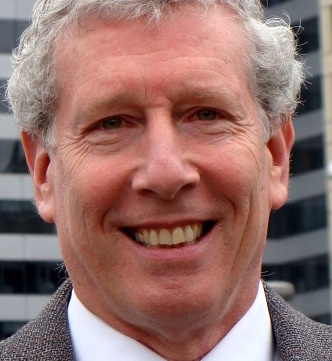
Public Policy & Systems Thinker
Tom was born in New York City and raised nearby in New Rochelle.
He is proposing a 28th Amendment to the Constitution. It creates and mandates a structured constitutional review process based on a Constitutional Convention held every 40 years.
Tom’s perspective is grounded in decades of public service, including leadership roles with organizations that help stabilize the lives of mentally ill homeless people and ex-felons reintegrating into free society. He is also the author of A Basic Deal, a plan to overhaul America’s social safety net.
Tom earned his bachelor’s degree from Kenyon College, his law degree from Vanderbilt University, and his MBA from the University of Washington. He lives in Seattle.
