
Trump's SOTU, BAFTA Fallout & Reddit's Dumbest Dating Stories
Political lies and racial slurs—yeah, we did that in one episode. Bruce and Jay kick off Sibling Happy Hour talking Episode 300 and how you can help shape it. Then we break down the State of the Union claims: “most secure border,” “DEI abolished,” “balanced the budget,” and more—separating rhetoric from reality.
Next, we unpack the BAFTA controversy involving Michael B. Jordan and Delroy Lindo, the delayed BBC broadcast, Tourette’s context, and why the real issue is how the response was handled.
We close with Reddit’s wildest “When did you realize you were dating an idiot?” stories—speedboats to Hawaii, microwaved soup cans, and logic so bad it deserves its own segment. #StateOfTheUnion #PoliticalCommentary #BAFTA #BBC #MichaelBJordan #DelroyLindo #tourettessyndrome #StateOfTheUnion #PoliticalCommentary #BAFTA #BBC #MichaelBJordan #DelroyLindo #tourettessyndrome #unsolicitedperspectives

 Apple Podcasts
 Spotify
 YouTube
 Castro
 RSS Feed
 Amazon Music
 iHeartRadio
 TuneIn
 Podcast Addict
 Podchaser
 PocketCasts
 Deezer
 PlayerFM
 Goodpods
 About The Guest(s):
Jane Oh is the founder of Healing Hearts Child Loss Support Group, a peer-led community supporting parents navigating life after the death of a child. A former dentist and classical violinist, Jane’s life changed after the sudden loss of her five-month-old son, Alexander. Drawing from her lived experience, she transformed profound grief into purpose—creating sacred spaces where parents can have their grief witnessed without judgment. Jane is also an advocate for culturally sensitive grief support and is working to expand awareness for underserved grieving communities.
Key Takeaways:
-
The loss of a child breaks the natural order of life and reshapes identity, marriage, career, and purpose.
-
Grief does not disappear—it softens over time, but it must be witnessed, not fixed.
-
Cultural stigma can silence grief, especially in immigrant communities where suffering is often endured quietly.
-
IVF became a temporary distraction from grief, costing $130,000 and ending in multiple miscarriages.
-
Peer-to-peer grief support provides validation in ways traditional counseling alone cannot.
-
Marriage after child loss requires endurance, discipline, and choosing to stay on the mountain together.
-
Grief and love are inseparable—“grief is love that has nowhere to go.”
-
Real support isn’t solutions—it’s presence long after the casseroles stop coming.
-
Losing a child also means grieving the future that will never happen.
-
Healing Hearts was born eight years into Jane’s journey after connecting with another grieving Korean mother who had suffered alone for 13 years.
Quotes:
Jane Oh:
“There’s two parts of my life—the before and the after.”
Jane Oh:
“It was any ordinary day… and I get a phone call saying, ‘Your son stopped breathing.’”
Jane Oh:
“You can never replace the child you lost.”
Jane Oh:
“Grief is love that has nowhere to go.”
Jane Oh:
“I didn’t want somebody to do the journey alone like I did.”
Jane Oh:
“We’re snowflakes from the same storm—but no two people grieve the same way.”
Jane Oh:
“He was half of what I lost.”
Jane Oh:
“The greatest mind cannot touch a bleeding heart—only love, faith, and hope can.”
Jane Oh:
“When the casseroles stop coming, I need to know you’re still going to be there.”
Bruce Anthony:
“Everybody’s got an opinion about something they’ve never gone through.”
Chapters
00:00:00 Trump’s SOTU Claims, BAFTA Slur Fallout & Wild Logic Debates 🔥🏛️🎭
00:00:44 Sibling Happy Hour: Sips Strong, Opinions Stronger & No HR Present 🍸🎙️😅
00:02:04 Help Produce Episode 300 Send Topics Now Shape The Next Show 🎙️📝🤝
00:08:37 Commander In Cheeto SOTU Marathon Longest Speech Yet 🟠⏱️🏛️
00:10:08 Most Secure Border Ever Claim Debunked By Data Again 🧱🚫📉
00:12:19 Abolished DEI And Government Reality Check Powers Work 🏛️🧠📚
00:15:00 Lifted 2.4M Off Food Stamps Claim False Benefits Lost 🥫📉😤
00:18:15 Balanced The Budget Overnight Claim Deficit Ballooning 💰🧮🚩
00:24:55 BAFTA N Word Aired On BBC Delay Why Was It Left In 📺😳🧨
00:27:44 Palestine Sudan Congo Cut But Not That Slur Why 🎬✂️🌍
00:34:34 Tourette Basics And Why Vocal Tics Happen Under Stress 🧠🗣️📚
00:42:30 You Can Say It Deal With Consequences Period ⚠️🗣️🥊
00:51:00 After Hours Tease We Are Continuing This Debate 🔥🎧💳
00:51:58 Reddit Dating An Idiot Stories Get Wild Fast 🤦🏾♀️💬🤣
00:52:50 Speedboat From LA To Hawaii Pack Sandwiches 🛥️🥪🌊
00:59:10 Microwaving Soup Cans And Breaking Two Microwaves 💥🥫🤯
01:01:45 Divorce Will Turn The Kid Gay Logic Breakdown 🧠🚫🌈
01:07:04 Stuff I Cut Going To After Hours Uncensored ✂️😈🎙️
If you’re rocking with us, subscribe, hit the notification bell, and drop a comment. Don’t just watch — join the conversation.
Want the uncensored energy? The raw takes, the spicy extras, the behind-the-scenes chaos?
🔓 Join on YouTube Memberships: https://www.youtube.com/channel/UCL4HuzYPchKvoajwR9MLxSQ/join
💸 Support on Patreon: patreon.com/unsolicitedperspectives
For full episodes, clips, merch, and everything in one place:
🌐 www.unsolicitedperspectives.com
Prefer audio?
🎧 Apple Podcasts: https://podcasts.apple.com/us/podcast/unsolicited-perspectives/id1653664166?mt=2&ls=1
🎧 Spotify: https://open.spotify.com/show/32BCYx7YltZYsW9gTe9dtd
This isn’t just content — it’s a conversation.
See you in the next episode. #podcast #mentalhealth #relationships #currentevents #popculture #fyp #trending #SocialCommentary
Beat Provided By https://freebeats.io
Produced By White Hot
Thank you for tuning in to 'Unsolicited Perspectives.' We hope you enjoyed this episode featuring unique and authentic views on current events, social-political topics, race, class, and gender. Stay engaged with us as we continue to provide insightful commentary and captivating interviews. Join us on this journey of exploration and thought-provoking conversations, and remember, your perspective matters!
[00:00:00] Some losses don't make sense—and never fully heal 💔🕯️🎙️
[00:00:00] Bruce Anthony: Some losses don't make sense and you never fully heal. We gonna get into it. [00:00:05] Let's get it.
[00:00:10] [00:00:15]
[00:00:17] Welcome to Unsolicited Perspectives 🎙️🔥💥
[00:00:17] Bruce Anthony: Welcome, first of all, welcome. This is US [00:00:20] Solicitor Perspectives. I'm your host, Bruce Anthony. Here to lead the conversation in important events [00:00:25] and topics that are shaping today's society. Join the conversation to follow us wherever you get your [00:00:30] audio podcast. Subscribe to our YouTube channel for our video podcast, YouTube exclusive content [00:00:35] and our YouTube membership.
[00:00:36] Bruce Anthony: Rate review, like, comment, share, [00:00:40] share with your friends, share with your family. Hell even share with your enemies. On today's episode, I'll be talking with Jane Ho. Mm. On today's episode, I'll be talking with Jane Ho on.
[00:00:44] Bruce Anthony: On [00:00:45] today's episode,
[00:00:45] Jane Oh: From Catastrophic Loss to Healing Hearts 🕯️🏡💛
[00:00:45] Bruce Anthony: I'll be talking with Jane O about the unimaginable loss of a [00:00:50] child and what it means to find meaning, connection, and purpose after that kind of [00:00:55] heartbreak. But that's enough of the intro. Let's get to the show.
[00:00:59] Child loss grief: "we're not gonna look away" 🧠🫶🏽⚡
[00:01:07] Bruce Anthony: [00:01:00] [00:01:05] Today's conversation is a heavy one, but it's also an [00:01:10] important one. Some losses in life are unexpected. They're painful, but they [00:01:15] follow a rhyme. We understand, and then there are losses that [00:01:20] break the natural order of things. The loss of a child is one of those losses. [00:01:25] It's the kind of grief many of us hope we never have to understand.
[00:01:29] Bruce Anthony: And because most of [00:01:30] us won't experience it firsthand, it becomes invisible. Hard to talk [00:01:35] about, hard to sit with, easy to look away from. But today. [00:01:40] We're not gonna look away. Jane O is the founder of Healing Heart's Child Loss Support Group. It's a peer-led community created to support parents navigating life after the death of their child.
[00:01:42] Bruce Anthony: Her work was born from a lived experience, from the unimaginable loss of her son, Alexander. What she.
[00:01:42] Bruce Anthony: Jane O is the founder of Healing Heart's Child Law [00:01:45] Support Group, a peer led community created to support parents navigating life [00:01:50] after the death of a child. Her work has been a lived experience from the [00:01:55] unimaginable loss of her son. What she built isn't about moving on. It's [00:02:00] about creating space where grief can be witnessed without judgment.
[00:02:03] Bruce Anthony: Where parents don't have to pretend [00:02:05] they're okay. Where community replaces isolation. This conversation [00:02:10] isn't about fixing pain, it's about understanding it. It's about compassion for a [00:02:15] loss that may not be comparable to anything else, and recognizing that even if we don't [00:02:20] share that experience, we can share empathy.
[00:02:23] Bruce Anthony: So today we're gonna talk [00:02:25] about child loss, about marriage and identity after tragedy, [00:02:30] about the silence that follows funerals, and about how meaning and [00:02:35] connection can still grow around lifelong grief. And without further ado, [00:02:40] here's Jane o. As I said at the top, I'm here with Jane. Oh, [00:02:45] she is the hearts child support. [00:02:50] Something that's important not only for people who have actually gone [00:02:55] through this, but for people that know people have gone through this or. [00:03:00] Not even knowing people that has gone through this. Just something to put into your [00:03:05] sphere to let you think about how other people live or what they've experienced [00:03:10] and have empathy for them.
[00:03:11] Bruce Anthony: So Jane, I want to thank you so much for coming on the [00:03:15] show, telling us your story, telling us your work. This is an [00:03:20] important conversation and I'm glad that we're having it.
[00:03:23] Jane Oh: Yeah. Thank you Bruce for, um, having [00:03:25] me and giving me the opportunity to, uh, speak about my journey.
[00:03:29] Bruce Anthony: It's, [00:03:30] it's my pleasure. Now I start off every interview [00:03:35] with, let's go back. Let's go back to the beginning. Before we get into [00:03:40] the work that you've done, the losses that you've experienced, can you take me back [00:03:45] to who you were before, all of that? What shaped you? What grounded you? What type of person [00:03:50] were you becoming?
[00:03:52] Jane Oh: Um, so before [00:03:55] my life changed because now there's two parts of my life, the before and the [00:04:00] after. Um, I'm obviously not the same person I was, you know, after what's happened to [00:04:05] me. I had a very beautiful life. Um, I have a wonderful. [00:04:10] Physician husband who I'm very proud of. You know, we went through professional school together [00:04:15] and I had a tremendous career and just a [00:04:20] normal life that I really took for granted. You know, and [00:04:25] I'm a child of an immigrant. My parents came to America 30 years ago and you know, [00:04:30] brought us to us and you know, we. We were [00:04:35] disciplined and we worked really hard to achieve that American dream. Uh, I became a [00:04:40] dentist and, you know, you know, went through financial hardship of paying off my loans and, you know, [00:04:45] building a practice and you know, all of that.
[00:04:47] Jane Oh: And built a beautiful family. [00:04:50] And I was at the top of my game. I think I was at the top of my world. I mean, I
[00:04:54] Jane Oh: [00:04:55] am 47. I will be turning 48 actually in March. [00:05:00] So Wow. I'm almost 50 years old,
[00:05:02] Bruce Anthony: Happy birthday.
[00:05:03] Jane Oh: Thank you. [00:05:05] And I, I have to say my thirties were really
[00:05:09] "Any ordinary day" turns catastrophic at daycare 🚨🏥💔
[00:05:09] Jane Oh: hard 'cause [00:05:10] that's when I lost my son. You know, I, I left him at a daycare and, and he died in [00:05:15] daycare. And it was any ordinary day that you were just gonna have, [00:05:20] like, I had friends over, we were having a great brunch and they left and I was cleaning [00:05:25] up the kitchen and I get a phone call saying, your son stopped breathing. So I ran to the [00:05:30] emergency room that day and. I just watched him die right before [00:05:35] my eye.
[00:05:35] Jane Oh: I mean, it's the most, you know, it's [00:05:40] the most difficult thing that, that you can ever see is being [00:05:45] helpless as a parent to know that it's completely out of control.
[00:05:48] Jane Oh: Right. You know, [00:05:50] even if I'm, I, I was on my knees and hands begging the doctors to save him, and they did try for an hour [00:05:55] to get him back, but ultimately, you know, they had to say it was [00:06:00] done.
[00:06:00] Jane Oh: I mean, they couldn't save his life. I saw the emergency room doctor slamming his fist on the [00:06:05] table and just walking away in despair, you know, because there's nothing like [00:06:10] losing a child. And the result was that he died of [00:06:15] sids. But we're really not sure because the biopsy, the autopsy report came back as, [00:06:20] you know, he had viral pneumonia, but they don't really like to even label SIDS anymore.
[00:06:23] Jane Oh: They don't, [00:06:25] you know, if they find like a little bit of like, he was sick with a cold, so, you know, [00:06:30] they labeled it as viral pneumonia, but I don't know why the term [00:06:35] became like, almost like political. Like they don't, they don't, they try not to, to diagnose that acids [00:06:40] anymore. So,
[00:06:41] Bruce Anthony: Hmm. I'm, you learn something new every day. I didn't know that. [00:06:45] Um. So take me back and, and, and this is, [00:06:50] is always a touchy subject, the loss of a child. I, I just wanna go back to [00:06:55] the beginning of meeting your husband, having a [00:07:00] family and, and you have a, another child as well. Just [00:07:05] that, just, just walk me through that process of, 'cause you said you were on top of the [00:07:10] world professionally and personally.
[00:07:13] Jane Oh: Yes.
[00:07:14] Bruce Anthony: Take me to [00:07:15] the process of building the family.
[00:07:18] Jane Oh: Well, you know, we, [00:07:20] um, we really struggled right, to get through school because it was so hard
[00:07:24] Jane Oh: and, you know, [00:07:25] my husband and I did long distance for four years while we were in professional school.
[00:07:28] Jane Oh: Um, I was in [00:07:30] California. I went to Loma Linda University, so I was. Was there, and he was in Illinois. He was in a MD [00:07:35] PhD program, which is, you know, really hard, but it helped pay for his co, [00:07:40] uh, medical school tuition.
[00:07:41] Jane Oh: And I came out with, you know, a lot of, a lot of [00:07:45] debt and, you know, it's, it was a struggle to pay that off. So we actually put off having our [00:07:50] family because I wanted to make sure that he got through his training and I wanted to make sure that, you know, [00:07:55] I was successful and that I was paying down my debt and. That's what I [00:08:00] did. I just, um, I worked really hard and you know, the funny thing is when we first got married [00:08:05] we didn't even want to have children,
[00:08:07] Jane Oh: you know? Um, and, but then when I entered [00:08:10] my thirties and, you know, I had a great career that was really hard to give up too, because. [00:08:15] You know, as a woman, you just have that biological clock that you feel like, [00:08:20] okay, if you don't do this now, like you might miss that opportunity. So when I had Jimmy, my, [00:08:25] my oldest, I was 34. So I don't feel, I don't feel like I was super [00:08:30] young. But I wasn't super old.
[00:08:32] Jane Oh: Um, so I had my baby and [00:08:35] my God, I'm telling you Bruce, when I saw that baby, it, it's [00:08:40] just like that kind of love. You just, you never, you can't even imagine,
[00:08:44] Jane Oh: you [00:08:45] know? And if you believe in God, I felt like, wow, this, this is what, how God loves [00:08:50] us.
[00:08:50] Jane Oh: That's what
[00:08:50] Jane Oh: I felt like looking at your child. And it was such a gift. [00:08:55] I embraced that motherhood. I mean, even my mom said, my God, like you love your career so much, but for you to [00:09:00] even want to go down to part-time or wanting to quit, I mean, she found that to be like amazing that I was [00:09:05] willing to give up my career for my child, and I did go down to part-time.
[00:09:09] Jane Oh: [00:09:10] I. But you know, I was hesitant about having another baby because I [00:09:15] didn't wanna give up my career all the
[00:09:16] Jane Oh: way. So there was still that ambition. And I [00:09:20] did have Alexander five years down the road because I was approaching 40 and I was like, oh my gosh, [00:09:25] my biological clock is ticking. And my, by then my husband had become. Partner and he [00:09:30] was, you know, making great income. Like he was really successful. So I decided that [00:09:35] I'm just gonna cut back in dentistry completely, and I wanted to be home to [00:09:40] my two boys. Um, so yeah, so I had the second baby [00:09:45] and what I did learn is, you know, you can't really time life,
[00:09:49] Jane Oh: you just [00:09:50] can't. Um, what I'm learning is that there's never a right time to have a family. [00:09:55] There's never a right time to build a business. You just have to do it, you know, [00:10:00] when you feel that it needs to get done. Because I
[00:10:03] IVF as grief-distraction—$130k, miscarriages, exhaustion 💉💸😔
[00:10:04] Jane Oh: regretted having my second [00:10:05] baby so long because after he died, I started on IVF right
[00:10:08] Jane Oh: away. [00:10:10] Um, I didn't have the fertility that I did and you know, with that pregnancy came [00:10:15] a lot of complication.
[00:10:15] Jane Oh: I ended up having to, you know, cut out an ovary 'cause a cyst grew with it. [00:10:20] So when he died, uh, you know, before he died when I was giving birth to him, I told the doctor just. [00:10:25] You know, just do the cell p ectomy, which is where they cut the fallopian tube. So I [00:10:30] sterilized myself because I decided that I didn't want to have more babies.
[00:10:34] Jane Oh: I was getting too [00:10:35] old and it, I was having complications with the pregnancy. Uh, that's another [00:10:40] mistake I made. Was just that something that was irreversible or procedure. [00:10:45] But, but you never know the future. So here I was, I had a dead [00:10:50] child and I don't have, um, I don't have my fertility anymore. So the only option was [00:10:55] to do an IVF journey.
[00:10:56] Jane Oh: And I think that was a distraction because that [00:11:00] was my way of getting through the grief, right? And I am telling you right now. [00:11:05] I have a whole new respect for women who are going through infertility because I have been on [00:11:10] both sides of the fences where I was able to get pregnant very easily. I was, I never [00:11:15] even thought about that.
[00:11:16] Jane Oh: It just, as soon as I was off the pill, I'm pregnant. Right? So, [00:11:20] you know, and then there's a whole, you know, population of women who struggle with this. And here I was [00:11:25] now doing this horrific journey where I'm injecting myself with all kind of hormones. [00:11:30] But in reality, what I was trying to do was I was trying to bring back my, my son. Okay, [00:11:35] but you can never bring back the child you lost. I don't care if you have 10 children, you lose one. It's you, it [00:11:40] doesn't replace the one that you lost. Uh, ultimately the IVF failed. I miscarried all four [00:11:45] embryos, two years of doing it. So I was grieving and I'm doing IVF [00:11:50] and spent $130,000 because, you know, [00:11:55] IVF is very expensive.
[00:11:56] Bruce Anthony: It is expensive and very like taxing [00:12:00] physically
[00:12:00] Jane Oh: Yes, yes. Because.
[00:12:02] Bruce Anthony: it's not an easy process for most men [00:12:05] out there. Like what's the big deal? You just get a shot. No. If you've known anybody that goes through it, it [00:12:10] is very physically taxing.
[00:12:12] Jane Oh: it is because for women it's ex extremely [00:12:15] invasive because you have to go under so that they can retrieve your eggs.
[00:12:18] Bruce Anthony: Mm-hmm.
[00:12:19] Jane Oh: And [00:12:20] I was doing this at one of the world's best fertility clinic. It was called [00:12:25] Colorado, you know, Institute of Reproductive, CCRM. And Dr. [00:12:30] Schoolcraft was amazing. Like, I mean, he will get like all the Hollywood stars pregnant, right?
[00:12:34] Jane Oh: I mean, this is how [00:12:35] desperate I was. And um, you know, he looked at me and said, I'm sorry, but you're. [00:12:40] A MH level is so low, which is like the egg count. And he said women's fertility [00:12:45] just drops after 40 and he recommended that I use donor eggs. [00:12:50] But you know, after two years of doing it, I just, I didn't have the energy anymore, you know, and it was [00:12:55] weird like looking through list of women that I was, that was supposed to look like me. [00:13:00] It's like looking at a dating site, I think. I think. And I'm trying to [00:13:05] like look for women that like, that had like my weight, you know, my height, you know. But then they would [00:13:10] take that women's egg and then they would put it with my husband's sperm and imp pregnant, you know, [00:13:15] put it inside my uterus. 'cause I still have good uterus.
[00:13:17] Jane Oh: It's just my eggs were bad. And when I [00:13:20] thought about that I just, I just decided, you know, maybe it's just not meant to be at that point.
[00:13:24] Jane Oh: So I was [00:13:25] just tired.
[00:13:26] Bruce Anthony: Instead of OkCupid, it was Okay. Donor. I can't. Right. [00:13:30]
[00:13:30] Jane Oh: Exactly. It was okay. Donor.
[00:13:32] Bruce Anthony: so you're going through all of this
[00:13:34] Jane Oh: [00:13:35] Yeah.
[00:13:35] Bruce Anthony: and uh, was there a moment. Where, and maybe not [00:13:40] right away, because you said this was two years after the fact that you're going through this, but was when [00:13:45] was that moment
[00:13:46] Jane Oh: So no, it was like right after he passed, I was doing IVF.
[00:13:49] Bruce Anthony: Oh [00:13:50] wow. So it,
[00:13:51] Jane Oh: Yes.
[00:13:52] Bruce Anthony: it, there was no, not a whole lot of time passed, [00:13:55] but you were doing IVF for two years.
[00:13:57] Bruce Anthony: Yes.
[00:13:58] Bruce Anthony: So in that two year [00:14:00] process, when was the moment that hit you? Or was it afterwards when you [00:14:05] realized that you might be able to turn this grief into the ability to help other parents [00:14:10] going through the same thing?
[00:14:11] Jane Oh: You know what? No, it didn't. That didn't hit me [00:14:15] until eight years into my journey.
[00:14:16] Bruce Anthony: Mm-hmm.
[00:14:17] Jane Oh: I did. I did my journey
[00:14:19] Cultural silence: stigma, "bad luck," erased photos 🥀🧊🕳️
[00:14:19] Jane Oh: alone [00:14:20] because I'm South Korean and my parents. They still don't [00:14:25] speak English very well, right? So there is like a, but I speak Korean very fluently [00:14:30] because I came when I was nine and I had no choice but to, you know, [00:14:35] have my language intact.
[00:14:36] Jane Oh: Otherwise I can't communicate with them.
[00:14:38] Jane Oh: Now my parents are very, um. [00:14:40] They're, they're immigrant parents, but they still haven't assimilated to American [00:14:45] culture because, you know, they have very hard work ethic, but they're also very stoic. [00:14:50] And you know, my brother and sister, there's three of us and they're also a dentists.
[00:14:54] Jane Oh: So, you know, [00:14:55] they have achieved American Dream in our Asian society because, you know, we have very [00:15:00] hard work ethic. They push education very hard, and then suddenly you have a daughter [00:15:05] who had lost a child, and then it's become like a stigma, right? And [00:15:10] it's become a shameful thing because nobody, like the, the relatives didn't [00:15:15] know that I had lost a child because that's something that they didn't wanna talk about. My parents came [00:15:20] and decided that there should be no trace of Alexander. Like they said, it was bad luck. They got [00:15:25] rid of all the pictures, you know, they took out his picture and, you know, they wanted [00:15:30] me to be the same person that, that I was. They couldn't [00:15:35] accept that.
[00:15:35] Bruce Anthony: could those actions have.[00:15:40]
[00:15:41] Bruce Anthony: The eight year journey could, had, had [00:15:45] you had a little bit more support. Not to say you ever get over it,[00:15:50]
[00:15:50] Jane Oh: Yeah.
[00:15:51] Bruce Anthony: but would the grief had lasted. That long. [00:15:55] There's a difference between grief and remembrance, [00:16:00] right? Like we remember the loved ones that we lose. That never [00:16:05] goes away. The grief is, doesn't stick with you every day.
[00:16:09] Bruce Anthony: It [00:16:10] eventually, at a certain point, the grief of a lost loved one will [00:16:15] come and go based on moments that remind you of a time. [00:16:20] During that process of eight years was the grief every [00:16:25] single day, and if so, did ignoring that or [00:16:30] doing away with Alexander's stuff, kind of [00:16:35] make it so that it would last for eight years.
[00:16:39] Jane Oh: Um, I [00:16:40] think that it, the grief just never left. I think I was in
[00:16:43] Jane Oh: denial. [00:16:45] I told myself that I was over it and I had moved on with my life. Uh, you know, we [00:16:50] packed up from Illinois and moved back to Washington State. That's, this is where I grew up for the most of [00:16:55] my life. And, you know, my, I think, you [00:17:00] know, the Korean culture is in a way that it's so, it's Confucius like it's, it's fly piety.
[00:17:04] Jane Oh: [00:17:05] It's all about respecting the elder. We carry our grief very differently. We carry it with [00:17:10] dignity and silence. Um, and so for me to [00:17:15] try to blend that with the Western culture of being open about it, it was hard. 'cause you have to [00:17:20] integrate both, both of it. I think the grief, you know, [00:17:25] the, you never quite heal from something like this.
[00:17:27] Jane Oh: I, but you learn to carry it.[00:17:30]
[00:17:30] Jane Oh: Okay. And, um, I didn't even understand what [00:17:35] caring that meant and. You know, I, I lost my career as a dentist as a [00:17:40] result of this. Um, you know, I, I couldn't practice dentistry anymore. It just, I wasn't [00:17:45] in line with my career. I, I don't think I was even mentally stable to, to go back and [00:17:50] take care of the patients.
[00:17:50] Jane Oh: I lost my career that lasted, that resulted in loss of who I [00:17:55] was as as a person. So here I was, I was watering my garden one day, my new house, and [00:18:00] I started crying because I realized that, you know, not only did I lose my [00:18:05] son, but I also lost who I was. know, I didn't even know who I was at that point. [00:18:10] Um, but I, I was still trying to live a, a [00:18:15] life somehow. I was trying to survive and I, I didn't know what I was going to do. [00:18:20] And then I, I ran into one of the moms, like, you know, somebody called and said, Hey,
[00:18:24] The catalyst: 13 years alone—peer grief breaks isolation 🤝🏽😭🌧️
[00:18:24] Jane Oh: can you reach out to this [00:18:25] mom? Because, you know, she's also Korean, but she's had no one to talk to for 13 years about [00:18:30] losing her son. So I did, and we started crying. We, we FaceTimed because she was in [00:18:35] California and she said, Jane, you're the first mom that, that I have talked to. [00:18:40] And I felt like there was something so broken in our culture where, [00:18:45] where, we shouldn't have to do this journey alone. So that was a catalyst. That was the moment I [00:18:50] knew that I wanted to do something more meaningful with our loss because I [00:18:55] realized even after eight years. That sadness was always going to be there, but [00:19:00] I also learned that it's okay because grief is love that has nowhere to go. [00:19:05] Okay. I mean, it, it really is. And I decided that [00:19:10] okay, it has nowhere to go, but I wanted to build it a home for it to
[00:19:12] Jane Oh: go. So that's when I [00:19:15] decided to create my Healing Hearts community, because I didn't wanna do this journey alone.
[00:19:19] Jane Oh: And I [00:19:20] felt like no parents should. Um, it's, it's a load that we can carry [00:19:25] together. And it just makes it more bearable when you have that community. And I wish [00:19:30] I had known that. I wish somebody had told me, you need a peer group, you need that support. 'cause I had [00:19:35] never gotten counseling, uh, I never had a peers, I didn't even feel like I [00:19:40] had the right to grieve in a way because I lost my child at five months. And that there are parents who've [00:19:45] lost older children. And I,
[00:19:46] Jane Oh: and my mom has said that to me, she goes, she said, well, you didn't have that [00:19:50] relationship with your son, so how can you be grieving that hard?
[00:19:54] Bruce Anthony: I, I, I, [00:19:55] I, I, you know, I that a lot of people are going to [00:20:00] listen to that and say, how could a mother ever say that? But I, I'm not [00:20:05] super familiar with the Korean community, but I am familiar with my own [00:20:10] community and there is in certain communities. Here in [00:20:15] America where you were taught to suffer in silence.
[00:20:17] Bruce Anthony: I could just say it from a male's point of view, [00:20:20] right. From a male's point of view, we are taught as little boys, you fall and bump your [00:20:25] knee. Don't start crying. Be a man and, and you suppress [00:20:30] dealing with pain and that's anytime you gotta suppress something that's [00:20:35] not good, you need to deal with
[00:20:36] Jane Oh: But we were taught that, we were
[00:20:38] Bruce Anthony: we were taught.
[00:20:38] Jane Oh: young age that [00:20:40] when you fall and you scrape your knee, you don't cry about it. You get up and you just keep going.
[00:20:44] Jane Oh: [00:20:45] And that's the problem in our culture, is that they are trying to fix our grief, [00:20:50] you know? But the, the thing that people don't realize is grief has to be [00:20:55] witnessed.
[00:20:56] Bruce Anthony: Hmm.
[00:20:56] Jane Oh: Okay. And I actually read about a village in [00:21:00] Australia. When somebody dies, the whole villager goes in their house and [00:21:05] change things around their house. Why? That's witnessing somebody's grief to [00:21:10] say Your life has changed forever.
[00:21:14] Bruce Anthony: Hmm. [00:21:15] That's interesting. Well, okay, so you're dealing with [00:21:20] this all along,
[00:21:22] Jane Oh: Yeah.
[00:21:23] Bruce Anthony: but there's still a, there's still a funeral. [00:21:25] Where everyone shows love and, [00:21:30] um, recognizes in that day your pain. [00:21:35] What did the silence of the house feel like? Uh, and what [00:21:40] support disappeared faster than you expected?
[00:21:44] Jane Oh: Well, the si, you [00:21:45] know, the silence of the house is, is just numbing,
[00:21:48] Bruce Anthony: Mm.
[00:21:48] Jane Oh: you know, and, [00:21:50] and then you realize that. Time is just frozen for [00:21:55] us. And it's like, I don't even know why the world kept going. [00:22:00] I was wondering like, how could, how could the sky get dark? Like why is, you know, [00:22:05] it's like every morning I would wake up and I would realize I lost him all over again. [00:22:10] And you know, that your, your, your body almost like [00:22:15] feels that until your emotions catch up in the morning and. [00:22:20] The support fades away pretty fast. I'm gonna tell you because people are not [00:22:25] comfortable with it. They don't know what to say. And I don't even think it's because people are being cruel. [00:22:30] They just don't understand that.
[00:22:31] Jane Oh: And let me give you a, a clear example of that. It's like asking [00:22:35] for a direction from people who've never left their home. Okay. [00:22:40] And you know, it's. It's not because that they're cruel, but they, [00:22:45] they don't know what to say and when they don't know what to say and they don't contact you, you feel that [00:22:50] isolation. You feel that they're being, they're pushing you away and you're, you're being abandoned. [00:22:55] You don't feel seen at that point. And I think part of it is [00:23:00] because they're confronted with their own fragility in life and it's so uncomfortable. [00:23:05] You know, 'cause you never, I never thought about death until I [00:23:10] lost my son.
[00:23:10] Jane Oh: I didn't think a normal day would turn into that kind of event. That [00:23:15] catastrophic, because it is catastrophic. Your whole life is changed.
[00:23:18] Bruce Anthony: A thought about [00:23:20] death at all or death like that?
[00:23:23] Jane Oh: I think a death like that [00:23:25] is, is unnatural. Right? 'cause you're not supposed to bury your child before you. [00:23:30] When you lose a child, it's, I feel it's, it's not a competition obviously. 'cause any [00:23:35] loss is, is traumatic and it's sad. But to lose a child, I feel is [00:23:40] different because that's an extension of you. Your child came from [00:23:45] your insight, and when they die, part of you have died.[00:23:50]
[00:23:51] Bruce Anthony: Yeah, and so. At [00:23:55] this moment, you just felt alone. And then you said that things were [00:24:00] stripped of the house that would have you remember your son. [00:24:05] Um, so what is your daily routine? [00:24:10] What are you doing each day? Because you don't have your career anymore, you can't [00:24:15] work.
[00:24:15] Jane Oh: So I, um. It's interesting
[00:24:17] Grief fog + loneliness + "your future has died" 🌫️🫂💔
[00:24:19] Jane Oh: because I think the first [00:24:20] five years I was in a fog.
[00:24:22] Jane Oh: Uh, you know, I, I, I, I [00:24:25] think, I don't even remember if I got up. I remember brushing my teeth and just saw tears falling down, [00:24:30] and I didn't even know where the tears were coming from,
[00:24:32] Jane Oh: you know,
[00:24:32] Bruce Anthony: Yeah.
[00:24:33] Jane Oh: and [00:24:35] it's really like the worst feeling.
[00:24:38] Bruce Anthony: Yeah.
[00:24:38] Jane Oh: Um, [00:24:40] it's, it's like you. [00:24:45] Are so lonely. I think the loneliness was the worst part of it,
[00:24:48] Bruce Anthony: Yeah.
[00:24:49] Jane Oh: that [00:24:50] no one can understand that, that death of dis despair and, [00:24:55] and that longing and that yearning for your child. [00:25:00] I mean, your, my arms just felt so empty, you know, that I couldn't, [00:25:05] he was not there anymore. It, it was a shock of it. And [00:25:10] to, to know that your future is gone, because when you lose your parent, you, you, you [00:25:15] talk about all the things they've accomplished or you know, people who are older, but when your child dies, like your [00:25:20] future has died, like all the, what you could have been as a parent, what the potential that they [00:25:25] had. Like those are all stripped of you and then people tell you you're very [00:25:30] strong. No, I'm not strong. I don't have a choice. What they don't see is the [00:25:35] ache. The joy that you, you constantly have every [00:25:40] milestone you have that joy, like I have friends whose sons get married. Their daughters get married, but you know what, [00:25:45] they carry that sadness that same day because they know that somebody that should be [00:25:50] there is not there. You know? It's, it's carrying that together all the [00:25:55] time. You, I feel intense joy. I do, but I feel that [00:26:00] more because I know what grief feels like.
[00:26:03] Jane Oh: Would I ever take this [00:26:05] grief away? No, because I loved my grief stems from the deepest love because [00:26:10] I have loved so deeply.
[00:26:20] Bruce Anthony: [00:26:15] [00:26:20] Wow. Thank you for sharing that with me. Uh, and with us, all of us. This is, like I [00:26:25] said, at the top, this is a really important conversation and people are going to f they're gonna feel [00:26:30] you Just had me feel I'm about to start crying on here. We're gonna be [00:26:35] two people crying together on this podcast. Uh, let's, let's get to, [00:26:40] we'll get more into this, but let's take a, a, a kind of a breather and [00:26:45] get to your work, because after eight years.[00:26:50]
[00:26:50] Bruce Anthony: There was a moment where healing hearts and the idea of [00:26:55] it came to mind and, and it seems like it stemmed from [00:27:00] talking to the other woman who had gone through the exact same thing that you had.[00:27:05]
[00:27:05] Jane Oh: Yes. So that work came. So during that five years, I wanna [00:27:10] tell you, okay, I, I was, you know, a, an amazing dentist. Like I loved serving my [00:27:15] community and then I knew that I was still had a lot of talent. You know, I [00:27:20] was a classical violinist, like that was my major in college, you know, so all the discipline [00:27:25] I took, the, you know, playing the violin is in is not easy to do it well [00:27:30] because it takes a lot of hours of practice and discipline.
[00:27:32] Jane Oh: I took that, I actually took my music major and [00:27:35] applied for dental school. So, and, and they thought that was kind of cool because they usually have science majors [00:27:40] and here I'm coming in with a music degree. Uh, when my career ended, because [00:27:45] I decided that it was not in alignment with who I was, I wanted. To spend my [00:27:50] day, you know, as a mother to my remaining son because you know what Bruce, I'm not gonna lay in my bed [00:27:55] wishing that I had done one more root canal.
[00:27:56] Jane Oh: 'cause I realized, I realized my time [00:28:00] with my family was more precious because I realized that tomorrow is not guaranteed [00:28:05] anymore. Um, and I wanted to see my remaining son grow up.
[00:28:08] Jane Oh: I wanted to be at [00:28:10] home when I pick him up. I wanted to be at, in every aspect of his life. I don't think he likes it 'cause he's a teenager now [00:28:15] and he loves it when I'm gone. You know, but, you know, I, I [00:28:20] wanted to be present. So what I did was, um, I watched the stock market, 'cause I [00:28:25] just really like reading the market news and I, I didn't even know what Nasdaq or Dow Jones or any of that [00:28:30] was, but then I noticed the graph and I'm very analytical too, and I was
[00:28:33] Stock market mirrors grief—builds seven-figure portfolio 📈🧠💰
[00:28:34] Jane Oh: like. You know [00:28:35] what, that kind of mirrors my grief, the ups and downs of the market, right? Like the [00:28:40] volatility, the part that it's out of control and grief is like that. It comes in waves. Like [00:28:45] there's stretches of like great days, like the market, like market's running really high and then there's [00:28:50] days like it's falling so bad, right?
[00:28:51] Jane Oh: And you have no control. And I just felt like it [00:28:55] mirrored my life, um, and, and my grief. So I decided to, you know, to study [00:29:00] it. I ventured into it. So I just invested, like I, I didn't day trade. [00:29:05] I, you know, learned about the market. I understood the endurance and just having the [00:29:10] patience of it, just like my grief. And I ended up building like a seven figure portfolio over [00:29:15] time.
[00:29:15] Jane Oh: And yeah, And
[00:29:19] Jane Oh: and I decided, [00:29:20] you know, when I started this organization, what a great way to, um, fund my [00:29:25] own charity. I thought, you know, what a meaningful way to turn my grief into something [00:29:30] that's purposeful because in, when you honor. Your loved ones, you know, that is [00:29:35] what you want to do is give back to the community, turn the grief into a meaningful work, [00:29:40] and turn that love into light for other people.
[00:29:42] Jane Oh: I don't want to be the brightest burning candle, right? [00:29:45] I want to be, um, the longest burning candle that's gonna light all the [00:29:50] parents, you know, along my pathway. 'cause I didn't want somebody to do the journey alone like I did. [00:29:55] I needed to be the person eight years ago for me. For somebody [00:30:00] else, you know, that was my goal and, and I found the pageant system, which was [00:30:05] interesting because I am running for the state pageant for the title,
[00:30:09] Jane Oh: and I [00:30:10] decided it's not for status.
[00:30:12] Jane Oh: Um, it was a way, if I win the [00:30:15] title, I feel like it would be a microphone to, to let people know, Hey, there is. [00:30:20] Underserved group of parents who don't have that support. Truly, we don't. Like, even in my [00:30:25] community, there's nowhere for these people to go. You know, they come to my meetings twice a month, I open up [00:30:30] my home and it's such a loving environment for us.
[00:30:34] Jane Oh: It's healing. [00:30:35] It's, it's it incredibly sacred space because these people are sharing their [00:30:40] most vulnerable stories and I am an, I am honored to witness their grief for them.[00:30:45]
[00:30:45] Bruce Anthony: And that's different, right? A peer-to-peer [00:30:50] organization is, is different
[00:30:52] Jane Oh: Yes.
[00:30:53] Bruce Anthony: people have actually experienced a [00:30:55] loss as opposed to people who just studied it.
[00:30:58] Jane Oh: Yes,
[00:30:59] Bruce Anthony: [00:31:00] where, where did you see, where do you see that maybe the [00:31:05] two can meet? Because there's obvious, [00:31:10] there are people that have been through it that can speak to something that people that [00:31:15] haven't.
[00:31:15] Bruce Anthony: But then there's the other aspect of the mental health, um, the [00:31:20] psychology of it. They other people may have not [00:31:25] gone to med school or studied psychology and, and, and you could not to say that [00:31:30] your group has this, okay, not to say that at all, but there could be a situation where [00:31:35] you have people that have experienced certain things talking to each other and don't [00:31:40] know what the hell they're talking about.
[00:31:42] Bruce Anthony: Like, we experienced that a lot here [00:31:45] in America anyway. Um, but. Understanding [00:31:50] that, yeah, the peer to peer is, is so vital because you need people [00:31:55] there to have experienced
[00:31:57] Jane Oh: It is
[00:31:58] Bruce Anthony: you have.
[00:31:59] Jane Oh: um, [00:32:00] when we are in the same room, we don't have to say anything. Like we
[00:32:03] Jane Oh: could sit there in silence [00:32:05] and completely understand that grief. Um, but at the same [00:32:10] time, I don't want people leaving my meeting feeling worse either, right? Because that's not
[00:32:14] Jane Oh: the goal. [00:32:15] Okay. So, you know, we encourage each other.
[00:32:18] Jane Oh: We always try to carry [00:32:20] that hope, um, because. We loved our children, and it's, it's a nice [00:32:25] space to be able to talk about it and not have judgment. It's a safe space. It's [00:32:30] inclusive. Grief doesn't care if you're rich or poor, what color you are, you know? [00:32:35] Um, and I, I have decided that. I have hired [00:32:40] a, a therapist actually
[00:32:41] Jane Oh: to help me with facilitating the meeting once a [00:32:45] month.
[00:32:45] Jane Oh: And, you know, we have the other, we, I did it twice a month because I don't want somebody to go too long without [00:32:50] a meeting,
[00:32:50] Jane Oh: you know, if, if they just can't. And I decide to. The reason why I [00:32:55] decided to hire a therapist is because, one, I wanted her to equip us with tools[00:33:00]
[00:33:00] Jane Oh: on how to handle certain situations because. If, if I, sometimes I'm [00:33:05] embarrassed to say, but if I'm in a grocery store and I hear certain music that brings back memories of my son, I [00:33:10] might, I might just break down and then I learn how to do like box breathing, you [00:33:15] know?
[00:33:15] Jane Oh: So, you know, I just feel like every parent needs to be equipped with [00:33:20] tool to handle difficult situations or how to respond when somebody tells you to get [00:33:25] over it.
[00:33:25] Jane Oh: And, and we hear that all the time, get over it. When they tell me Get over it, I ask them, [00:33:30] how long is my child gonna be dead for?
[00:33:32] Bruce Anthony: Hmm. Go ahead. Let [00:33:35] 'em know, right? Like, because everybody got an opinion about something that they've never gone [00:33:40] through. Um, you sent me a, you're working on [00:33:45] a book
[00:33:46] Jane Oh: Yes.
[00:33:46] Bruce Anthony: me a chapter. Now, first of all, let me just say, as I [00:33:50] was reading the chapter, the. I fancied myself as a [00:33:55] writer. My first major in college was journalism and I wrote for the school newspaper, and I [00:34:00] thought that I was a creative writer.
[00:34:01] Bruce Anthony: My sister has a degree in, uh, di um, [00:34:05] film director. Editor wrote a screen, pray The whole [00:34:10] nine, the chapter that you sent me was so. [00:34:15] Good. And it's descriptions, the painting of the moments, the painting of the [00:34:20] day. Uh, I could smell and feel everything [00:34:25] that you were describing in this chapter. I, [00:34:30] you know, I'm not gonna say it brought me to tears, but there were some moments that I had to take a, a deep [00:34:35] breath because it was very emotional.
[00:34:37] Jane Oh: Yeah.
[00:34:38] Bruce Anthony: And um, in [00:34:40] this chapter you talk about how. The [00:34:45] chapters based on, on you and your experience. Um, [00:34:50] you and your husband
[00:34:52] Bruce Anthony: start passing each other like ghosts, [00:34:55] both grieving, but unable to reach one another. What [00:35:00] does this type of grief do to a marriage when both people are [00:35:05] drowning in that grief?
[00:35:07] Jane Oh: You know, so many marriages don't
[00:35:09] Marriage after child loss: "snowflakes from the same storm" ❄️⛰️💔
[00:35:09] Jane Oh: survive that. I'm [00:35:10] gonna be honest with you. A lot of marriages can't because the reality is marriage is hard. [00:35:15] It's not just bed of roses, right? I've been married for 21 years. Um, [00:35:20] and you know, there's times when, when marriage is just stressful, even when you don't have a [00:35:25] loss like this, but when you have a loss like this, I mean, it's, it's just a [00:35:30] bomb, right? And even though we both had this, we're [00:35:35] both carrying the same grief and this shared experience, it was still very [00:35:40] lonely because no two people grieve the same way. It's like having [00:35:45] snowflakes. It's born out of the same storm. But each snowflake is [00:35:50] so unique and my husband grieved in a very different way than I did. [00:35:55] And the best example of that is two people are on a mountain. You know, your legs are [00:36:00] broken. You're looking at each other like, yeah, our legs are broken. Like, how are we gonna get down? [00:36:05] We chose to stay on that mountain together.
[00:36:07] Bruce Anthony: Mm. [00:36:10] Okay. First of all, congratulations on 21 years of marriage
[00:36:14] Bruce Anthony: [00:36:15] that you got a birthday and 21 years of marriage.
[00:36:17] Jane Oh: Yes, and a pageant. And we have a trip to France [00:36:20] coming up. So yes, lots of
[00:36:21] Bruce Anthony: Got a lot of things going on, so congratulations to all of that. [00:36:25] So as you guys are both going through this and passing each [00:36:30] other as ghosts and dealing with grief, your own ways as you're [00:36:35] internalizing your grief, and he's probably doing the exact same thing of internalizing [00:36:40] his grief.
[00:36:40] Bruce Anthony: He's probably thinking I need to be strong for her
[00:36:43] Jane Oh: Yes.
[00:36:44] Bruce Anthony: [00:36:45] and avoiding everything that he needs to deal with. What type of [00:36:50] complications did that cause and how did you guys work your way through it?
[00:36:53] Jane Oh: At one point, I [00:36:55] remember screaming at him and I said, I gave birth to him. I [00:37:00] hurt more than you. And that was probably not, [00:37:05] not the right way to deal with it. But that's what happens. Like you start to [00:37:10] say that my, your grief is bigger, because I felt like that. He [00:37:15] was grieving so hard, but he was not letting me in and at some point I [00:37:20] wanted to move on, but I felt like he was wanting to hang on to that.
[00:37:23] Jane Oh: Like, for example, I wanted, I wanted to [00:37:25] put all this baby stuff away and he didn't want to
[00:37:28] Bruce Anthony: Well, I thought you said your [00:37:30] family did that and that you were a little hesitant when
[00:37:33] Jane Oh: Oh, that.
[00:37:33] Jane Oh: was with the [00:37:35] photos. So when, initially when he passed, you know, we had like, you know, his play stuff and like his [00:37:40] bouncer and all of that, and. After just [00:37:45] looking at that and with no baby in it, I just wanted to get rid of, I just wanted to put it away in the basement. And
[00:37:49] Jane Oh: my husband [00:37:50] was very hesitant.
[00:37:50] Jane Oh: Like he did not want to,
[00:37:52] Jane Oh: but he's not home. I'm home most of the day, so I, I, [00:37:55] I put it away without his consent. And then, you know, years that when I moved back to Washington, we had [00:38:00] pictures of the baby. My parents wanted to take that down, you know,
[00:38:04] Jane Oh: so [00:38:05] yeah. So that's what happened. But yeah, it's, it's hard because we had to work through, [00:38:10] you know, that kind of. Emotions and then IVF [00:38:15] failing. I mean, it was really hard on the marriage, like
[00:38:17] Jane Oh: to go through fertility treatment, like, you [00:38:20] know, to go. I have friends whose marriages don't work out because they've lost a child. It's very [00:38:25] common to see that
[00:38:26] Bruce Anthony: Mm-hmm.
[00:38:26] Jane Oh: you either grow together or you're gonna stick together, or you [00:38:30] decide to go separate ways.
[00:38:31] Jane Oh: And I've seen affairs happen. I've seen, because people deal [00:38:35] with it in an unhealthy way,
[00:38:37] Jane Oh: you know?
[00:38:38] Bruce Anthony: Um, [00:38:40] I would just say that your husband. Loves you a great deal. 'cause if [00:38:45] my wife had told me, you don't love my baby as much as I [00:38:50] love my baby, I would've been like, excuse me,
[00:38:53] Bruce Anthony: that is my baby too.[00:38:55]
[00:38:55] Jane Oh: Yeah.
[00:38:56] Bruce Anthony: But that's also the reason why, ladies and gentlemen, I've been divorced for over [00:39:00] 13 years. So anyway.
[00:39:02] Bruce Anthony: Anyway, so what was it? What [00:39:05] was it? That you guys finally realized, I mean, you yelled at him. Did something [00:39:10] snap for him? Was there counseling involved? Because how do you deal [00:39:15] with the grief, the individual grief that you have? You also have another child. [00:39:20] Still work on this marriage at the same time, because I was [00:39:25] explaining to, uh, people last week on the podcast that [00:39:30] a friend of mine is getting a divorce.
[00:39:31] Bruce Anthony: They've known this person for 20 years, very similar to [00:39:35] your situation. And I said, why are you getting a divorce? It is like, I [00:39:40] matured and grew as a person and this person did not. They're still the same [00:39:45] person that I married. not. And so you are just [00:39:50] dealing with the grief of a loss of a child being parents, [00:39:55] and then also you guys are also growing up, you're going from [00:40:00] 20 to 30 to then your forties.
[00:40:02] Bruce Anthony: So you yell at [00:40:05] him, he snaps out of it. What was the work after that?
[00:40:08] Jane Oh: You know, growth is [00:40:10] never linear, right?
[00:40:12] Jane Oh: It's never linear. I mean, I wish it can say it's [00:40:15] straight up, but it doesn't work like that. And I think through the process we [00:40:20] realized that grief changes over time. Just like relationship, it doesn't [00:40:25] get any easier, but it does get softer over time.
[00:40:28] Why they stayed: "he's half of what I lost" ❤️🩹🪞🫂
[00:40:29] Jane Oh: And what [00:40:30] really made me realize that I wanted to stay with my husband was he was half of what I [00:40:35] had lost. Okay. He's half of my son. [00:40:40] He's the only person in the world who is gonna [00:40:45] understand the death of my love 'cause he loved my our son just as much. [00:40:50] And when I realized that he really is the mirror image that I was looking at, [00:40:55] then it made me realize that I could never live without him [00:41:00] and that I appreciated that he was building [00:41:05] that stable foundation for me.
[00:41:07] Bruce Anthony: Yeah.
[00:41:08] Jane Oh: I was the advocate for this family. [00:41:10] Like all the work I'm doing for my nonprofit, I couldn't have done it without him. [00:41:15] He's silent partner, but he's still holding me,
[00:41:18] Bruce Anthony: Hmm.
[00:41:19] Jane Oh: you know, and I, I [00:41:20] truly appreciate that because now I realize that marriage isn't just [00:41:25] about, you know, the initial excitement. You know, [00:41:30] you, you grow through that, you know, you live.
[00:41:32] Jane Oh: Really, truly, it is for better [00:41:35] or for worse. You know, and, and it's so hard. It's a [00:41:40] commitment, it's a discipline. It's endurance to stay in it together. But the reward [00:41:45] is great if you can make it through that.
[00:41:47] Bruce Anthony: Yeah.
[00:41:48] Jane Oh: And I know that [00:41:50] he carries my son's DNA,
[00:41:52] Bruce Anthony: Mm-hmm.
[00:41:53] Jane Oh: and when I look at him, I [00:41:55] see my son there.
[00:41:56] Bruce Anthony: Mm-hmm.
[00:41:57] Real support: presence after casseroles stop coming 🫶🏽🥘⏳
[00:41:57] Jane Oh: Yeah.
[00:41:59] Bruce Anthony: For someone [00:42:00] listening to this who loves a grieving parent, [00:42:05] um, but doesn't know what to say, what does real support actually look like in [00:42:10] the months and years after a loss like this?[00:42:15]
[00:42:15] Jane Oh: I am gonna tell you the greatest mind cannot touch a broken heart [00:42:20] or bleeding heart.
[00:42:21] Jane Oh: It just can't only love. [00:42:25] Faith and hope can touch that. And if someone can sit there and [00:42:30] tell you, I don't know what you're going through, but I'm willing to sit here and [00:42:35] cry with you and be present for you is all we want. We don't need a [00:42:40] silver lining. We just need to know that you're gonna be present for us. When [00:42:45] the casserole stopped coming, I need to know that you're still gonna be in my life. I already lost a [00:42:50] child. I don't need to lose my friends too.
[00:42:52] Bruce Anthony: Right. Um, [00:42:55] but on a side note, no tuna casserole if you, Cass, [00:43:00] no tuna cas.
[00:43:01] Jane Oh: I do love casserole. Yes.
[00:43:11] Bruce Anthony: [00:43:05] [00:43:10] In that beautiful chapter that you sent to me, [00:43:15] um, there's a, there, there was a moment where I had to step away, [00:43:20] and that moment is when your son[00:43:25]
[00:43:25] Jane Oh: Yeah.
[00:43:26] Bruce Anthony: asks, when is his little brother gonna wake up? [00:43:30] How do you even begin to explain death to a child [00:43:35] when you're having trouble processing it yourself?[00:43:40]
[00:43:40] Jane Oh: I remember sitting in the emergency room holding my [00:43:45] son, you know, his lifeless body and just unable to let him go. [00:43:50] Right? And I looked at my husband and I said, what do we tell Jimmy?
[00:43:54] Jane Oh: He [00:43:55] loves his brother. Like what are we gonna tell him tonight when we get home? That his brother's not coming back. [00:44:00] I think that was the most [00:44:05] broken feeling I ever had to know that, to tell my other child who I [00:44:10] loved so much to tell him that his brother wasn't coming home. And I don't even have an [00:44:15] answer for that. Right. And you know, at the funeral I remember Jimmy Holding. [00:44:20] Alexander saying, mommy, like, why is he so cold? Like, you know, why isn't he [00:44:25] moving? Jimmy was five. And what do you, what do you tell that that [00:44:30] child, I mean, he, he just started his life, but now he has encountered death [00:44:35] and, you know, all I could do was say, we'll see him again one day.[00:44:40]
[00:44:40] Jane Oh: You know, the only thing I could tell him was I can't explain it, [00:44:45] but we will meet your brother one day again.
[00:44:49] Bruce Anthony: When that [00:44:50] conversation, when he gets, when Jimmy got older, what was that conversation like [00:44:55] and what has it been like for Jimmy? Have [00:45:00] you had those type of conversations with Jimmy to live in the shadow of [00:45:05] a brother who has passed away?
[00:45:07] Jane Oh: Um, you know,
[00:45:09] The surviving sibling: privacy, stuffed animal, priorities shift 🧠🧸🫶🏽
[00:45:09] Jane Oh: it's, it's funny [00:45:10] because he's very private about that. Like he doesn't tell even his friends that he had a [00:45:15] brother.
[00:45:15] Bruce Anthony: Mm-hmm.
[00:45:15] Jane Oh: does have a, a stuffed animal that my [00:45:20] friends had made for me with Alexander's pajamas that he always keeps with him.
[00:45:24] Bruce Anthony: [00:45:25] Mm-hmm.
[00:45:25] Jane Oh: And, you know, it's funny because when I'm being bad, you know, [00:45:30] he's more mature than I am sometimes.
[00:45:31] Jane Oh: He's like, mom, like, you are not gonna go to [00:45:35] heaven, uh, and you're not gonna be able to see Alexander. Okay if
[00:45:37] Bruce Anthony: Jesus.
[00:45:38] Jane Oh: way.[00:45:40]
[00:45:40] Bruce Anthony: Come on Jimmy.
[00:45:42] Jane Oh: So, you know, he's giving me a lecture,
[00:45:44] Bruce Anthony: [00:45:45] Mm-hmm.
[00:45:46] Jane Oh: Um, and yeah, so it's, I'm really, um, really proud of my [00:45:50] son because he's well adjusted, 13-year-old boy. I mean, he gets straight a's, you [00:45:55] know, and he has, you know, he's so well rounded.
[00:45:57] Jane Oh: He's a great violinist and he's got a lot [00:46:00] of friends. I mean, he's doing advanced math and, but you know, I don't really expect, I [00:46:05] have a different priority now. I don't look at my son and think, oh, I need you to be a doctor. I need you to be a judge. Like, I need you to [00:46:10] be high achieving. Really care at this point.
[00:46:12] Jane Oh: I want him to live longer than me, [00:46:15] outlive me, and I want him to be healthy and happy. Like for me, it's not [00:46:20] just about achieving success anymore. My priorities are just, just different. When I look at that, it's not about [00:46:25] getting into Ivy League, it's not about, you know, achieving straight ace, like the mental health, um, being [00:46:30] grounded, having integrity, just being a good person.
[00:46:33] Jane Oh: And please, [00:46:35] please, like, live longer than your, your parents. 'cause I don't think I can deal with another loss like that. I just can't [00:46:40] imagine.
[00:46:41] Bruce Anthony: Ooh. That leads me to an really interesting question that I [00:46:45] just thought of. Um, do you think the grief [00:46:50] taught you that the [00:46:55] successes. Weren't as important as love and happiness. [00:47:00] Like when I, the, the reason why I ask that question is because a lot of times we set these goals [00:47:05] for ourselves as a, as people, not even just adults, as a people.
[00:47:08] Bruce Anthony: And say, I want to [00:47:10] accomplish this goal, and you accomplish a goal and. You don't really reflect on it. There's [00:47:15] another goal, and you realize that even though you're accomplishing these goals, that [00:47:20] you're, eh, you're not completely satisfied. So my question is, [00:47:25] do you think that grief showed you that [00:47:30] love and happiness is more important than the actual goals that we wish to attained?[00:47:35]
[00:47:35] Bruce Anthony: If those goals are, are not giving us
[00:47:38] Grief reshapes ambition: love/happiness over achievements 🌱❤️✨
[00:47:38] Bruce Anthony: that.
[00:47:39] Jane Oh: I [00:47:40] think so, because I used to think, oh, you know, if I could just become a successful dentist, like, [00:47:45] you know, I never thought, at this point in my life, I thought I would have multiple dental practices and I would be [00:47:50] building an empire. I didn't think I would be, you know, building a support group because I have a bigger vision [00:47:55] than just. This meeting in my living room, I want to actually build a [00:48:00] scalable model where I can implement this into other communities. I'm using my group as a [00:48:05] test model right now, using my scientific brain to figure out what's working and what's [00:48:10] not, and building a facilitation manual. Because when I first started, I didn't know how to carry out a [00:48:15] meeting, but now I. There is a certain structure that really works. And if I can [00:48:20] actually get it into a, a, a format like a cookbook, I feel like I, yeah, [00:48:25] I can implement this into other communities and, and build leaders that can, you know, make it [00:48:30] grow. So my vision is so much greater than my mission is greater than, [00:48:35] um, even my loss.
[00:48:36] Jane Oh: This isn't even about like my loss, right? This is about telling [00:48:40] everybody else's story.
[00:48:41] Bruce Anthony: Helping others.
[00:48:43] Bruce Anthony: Your loss led to you helping [00:48:45] others.
[00:48:46] Jane Oh: yes. And, um, [00:48:50] yeah, so I, I, I don't believe that, um, even though I have [00:48:55] achieved the financial success, it felt empty for me, if that makes sense. It [00:49:00] felt hollow because I wanted to, you know, do something with the [00:49:05] achievement that was meaningful to honor my son because. When I do see him [00:49:10] one day in heaven, I imagine telling him that I have loved him all my [00:49:15] life and that I have lived my best life [00:49:20] by serving my community, and that was how I honored him.
[00:49:24] Bruce Anthony: Yeah, [00:49:25] I always tell people money doesn't give you happiness. Money will put a [00:49:30] down payment on happiness, though. It will put a down.
[00:49:33] Jane Oh: money Will give you a nice place to sit and [00:49:35] cry though.
[00:49:35] Bruce Anthony: Yeah, it will money, but money will. Money won't give you happiness. It'll give you a [00:49:40] down payment on happiness. But the true path to [00:49:45] happiness is purpose.
[00:49:48] Jane Oh: Yes. Finding the meaning.
[00:49:49] Bruce Anthony: Yes, [00:49:50] purpose and meaning. You find that you find that inner peace that you're looking for. [00:49:55] Um, when people walk away from your [00:50:00] meetings with healing hearts or even this conversation,
[00:50:03] Bruce Anthony: what do you hope they [00:50:05] carry with them about grief, about love, [00:50:10] and the possibility of meaning or purpose after
[00:50:13] "Grief is evidence of love"—permission to grieve and live 🕯️💛🫂
[00:50:13] Bruce Anthony: loss?[00:50:15]
[00:50:16] Jane Oh: grief is not. Something that you should be ashamed of. [00:50:20] That's an evidence of your love. So I would tell people that it's something [00:50:25] that you carry with you. Like I carry, I take the grief in as, as a light [00:50:30] into my heart. And to me it's joy that I carry now instead of just [00:50:35] the sadness. Because grief isn't about being sad. It's about, you [00:50:40] know, honoring the, the ones that you love. It's saying that their life mattered. So make your life matter [00:50:45] for them. And. Live your life, find [00:50:50] something that you're passionate about, but know that it's okay to be [00:50:55] happy. Give yourself permission to be [00:51:00] happy.
[00:51:00] Bruce Anthony: And give yourself permission to grief and to be sad.
[00:51:03] Jane Oh: Yes. And also, [00:51:05] you know, use that to find meaning. I, I believe that [00:51:10] that's the sixth stage of actually grieving is when you do find meaning.
[00:51:14] Bruce Anthony: Hmm.[00:51:15]
[00:51:15] Jane Oh: Okay. 'cause when you find meaning. You don't suffer as much because I don't [00:51:20] tolerate meaningless suffering.
[00:51:22] Bruce Anthony: Huh? You just added, [00:51:25] you just added a six. I thought it was the five stages of grief. You just added a six stage to the [00:51:30] grief model.
[00:51:30] Jane Oh: Yes.
[00:51:32] Bruce Anthony: Jane, I want to thank you so much [00:51:35] for coming on this show, being open, [00:51:40] um, being honest, being sincere, and teaching. [00:51:45] Letting us into your life and, um, I know that [00:51:50] this conversation has touched a lot of people.
[00:51:53] Bruce Anthony: I'm telling y'all, y'all, the, [00:51:55] when the book come out, whew. I'm telling you, I read that first chapter and it [00:52:00] was intense and good, and I, and I wish you nothing but the [00:52:05] success in that. But more importantly, this conversation was important, and I know it's gonna [00:52:10] touch a lot of people. So thank you.
[00:52:12] Jane Oh: Thank you so much Bruce, and you know, stay in touch with me. Okay.[00:52:15]
[00:52:15] Bruce Anthony: I definitely will.
[00:52:17] Jane Oh: All right. Take
[00:52:17] Grief Has to Be Witnessed—Stay Present. Don’t Disappear. 🕯️🫂❤️
[00:52:17] Jane Oh: care.
[00:52:17] Bruce Anthony: What you just heard is when the conversations that will sit with [00:52:20] you. Because child loss is the kind of grief most of us pray. We [00:52:25] never have to understand. And that's exactly why so many parents who live with it end [00:52:30] up carrying it alone, not because people are cruel, but because people [00:52:35] don't know what to say and silence can feel like abandonment.[00:52:40]
[00:52:40] Bruce Anthony: Jane came on here and did something rare. She let us witness it. [00:52:45] She talked about her life having a before and an after about the day that started [00:52:50] like any other day, brunch with friends, cleaning the kitchen, and then one phone call that [00:52:55] changed everything. She told us what it felt like to run to the hospital, to watch the chaos of the [00:53:00] doctors fighting for her son's life and to face that moment that no parent [00:53:05] should ever face.
[00:53:06] Bruce Anthony: And then she took us into what happens after the world stops for [00:53:10] you. But keeps moving for everybody else. She described the numbing [00:53:15] silence of the house, how support fades faster than people realize. How grief [00:53:20] can make time feel frozen, waking up each morning and losing them [00:53:25] all over again. She also gave language to something.
[00:53:29] Bruce Anthony: So many people [00:53:30] never say out loud, grief doesn't just take the person you lost. [00:53:35] Sometimes it takes you two. She lost her son. In many [00:53:40] ways, she lost a version of herself that existed before that day. Her career, [00:53:45] her identity, her sense of safety in the world, it all shifted. [00:53:50] We talk about what this kind of grief does to a marriage, how even when two [00:53:55] people are carrying the same loss, they can still feel miles apart.
[00:53:59] Bruce Anthony: But we also talked [00:54:00] about what it looks like to keep choosing each other through it. To understand that for better or [00:54:05] worse, isn't poetry. It's endurance. And [00:54:10] for anyone listening who has ever worried, they'll say the wrong thing to someone. Grieving [00:54:15] Jane made it real, plain and simple. You don't need the perfect words.[00:54:20]
[00:54:20] Bruce Anthony: You don't need silver lining, you just need presence. The kind of presence that [00:54:25] doesn't disappear when casserole stop coming, even if they tune the casseroles, the kind that [00:54:30] says, I don't know what to say, but I'm not going anywhere. [00:54:35] She even gave us a line, I'm not going to forget. Grief has to [00:54:40] be witnessed as she's building a home for it.
[00:54:43] Bruce Anthony: That's what Healing Hearts [00:54:45] is. A peer led community where parents don't have to perform strength, don't have [00:54:50] to move on, don't have to carry the load by themselves. James, turning [00:54:55] love, that was nowhere to go into something that could hold other people, [00:55:00] and that is a purpose in its purest form. So if this [00:55:05] episode moved you, don't just sit with it, do something with it.
[00:55:09] Bruce Anthony: Check on [00:55:10] somebody. Stay present longer than the moment. And if you know a [00:55:15] grieving parent, remember you can't fix it, but you can [00:55:20] witness it. And to Jane, thank you for trusting us with your story, [00:55:25] your work, and your heart. I want to thank you for [00:55:30] listening. I want to thank you for watching. Until next time.
[00:55:34] Bruce Anthony: [00:55:35] As always, I'll holler.
[00:55:39] Bruce Anthony: Woo. [00:55:40] That was a hell of a show. Thank you for rocking with us here on Unsolicited Perspectives with [00:55:45] Bruce Anthony. Now, before you go, don't forget to follow, subscribe, [00:55:50] like, comment, and share our podcast. Wherever you're listening or watching it to it, pass it along [00:55:55] to your friends. If you enjoy it, that means the people that you rock, we'll enjoy it also.
[00:55:59] Bruce Anthony: So [00:56:00] share the wealth, share the knowledge, share the noise. For all those people that [00:56:05] say, well, I don't have a YouTube. If you have a Gmail account, you have a YouTube. Subscribe to our YouTube channel [00:56:10] where you can actually watch our video podcast and YouTube exclusive content. But the [00:56:15] real party is on our Patreon page after Hours Uncensored and talking straight ish after Hours.
[00:56:19] Bruce Anthony: [00:56:20] Uncensored is another show with my sister, and once again, the key word there is [00:56:25] uncensored. Those are exclusively on our Patreon page. Jump onto our [00:56:30] website@unsolicitedperspective.com for all things us. That's where you can get all of our audio video, [00:56:35] our blogs. And even buy our merch. And if you really feel generous and want to help us [00:56:40] out, you can donate on our donations page.
[00:56:42] Bruce Anthony: Donations go strictly to improving our [00:56:45] software and hardware so we can keep giving you guys good content that you can clearly [00:56:50] listen to and that you can clearly see. So any donation would be appreciative. Most [00:56:55] importantly, I wanna say thank you, thank you, thank you for listening and [00:57:00] watching and supporting us, and I'll catch you next time.
[00:57:03] Bruce Anthony: Audi 5,000 [00:57:05] [00:57:10] Peace.
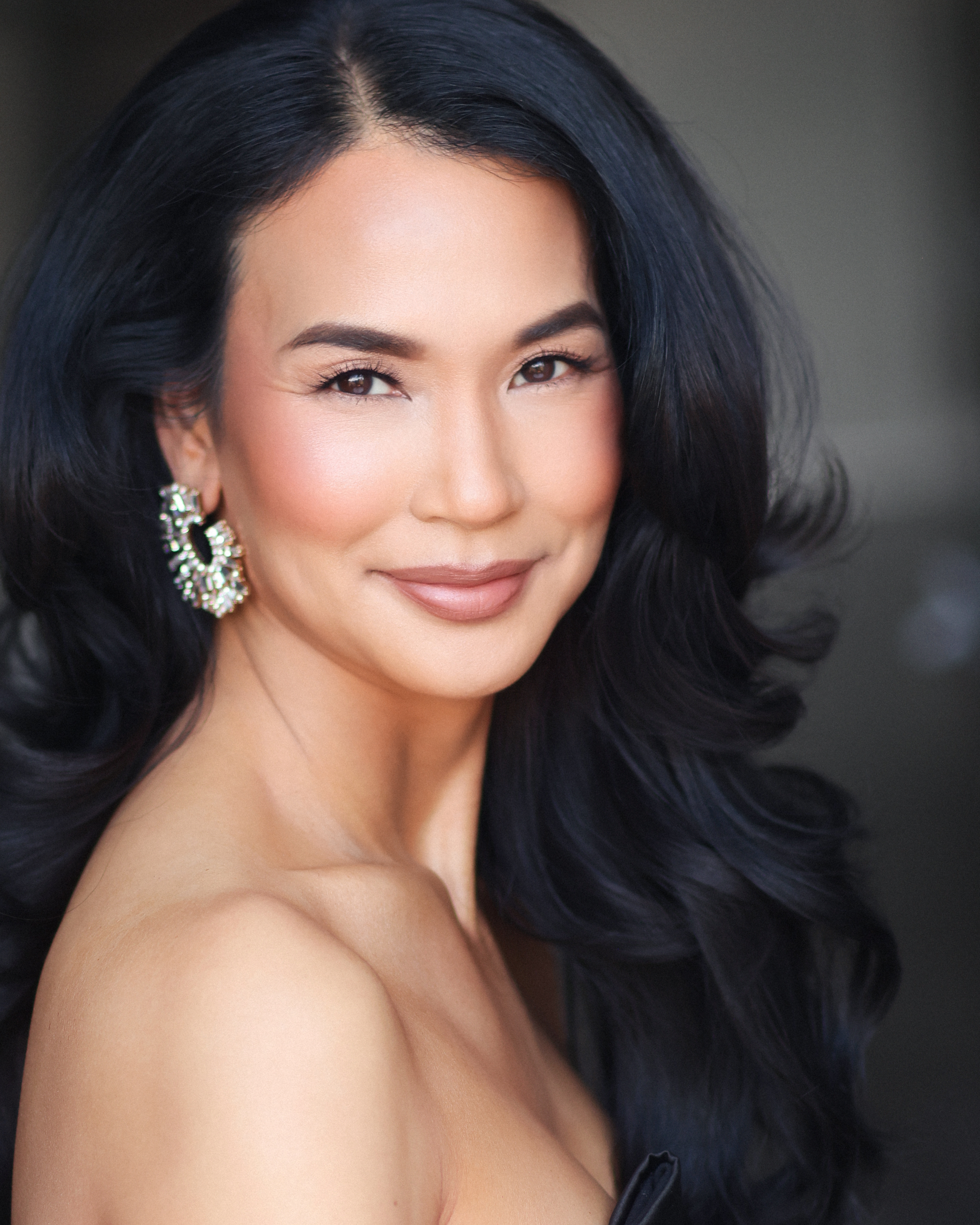
I’m a wife, a mom, a concert violinist, a dentist-turned-stock-enthusiast, and a
community servant to those healing from the loss of a child. I grew up in
South Korea and fell in love and married my husband Ben, a physician, after
our mothers set us up on a blind date. We’ve been married for over two
decades. We have a thirteen-year-old son, James, and a forever
five-month-old angel, Alexander, who passed away of SIDS nine years ago. His
life continues to inspire my commitment to serving and supporting families
walking the journey of child loss.
