
Academic Abuse Survivor Julie Cruse Exposes The Abuse Hidden Inside Universities
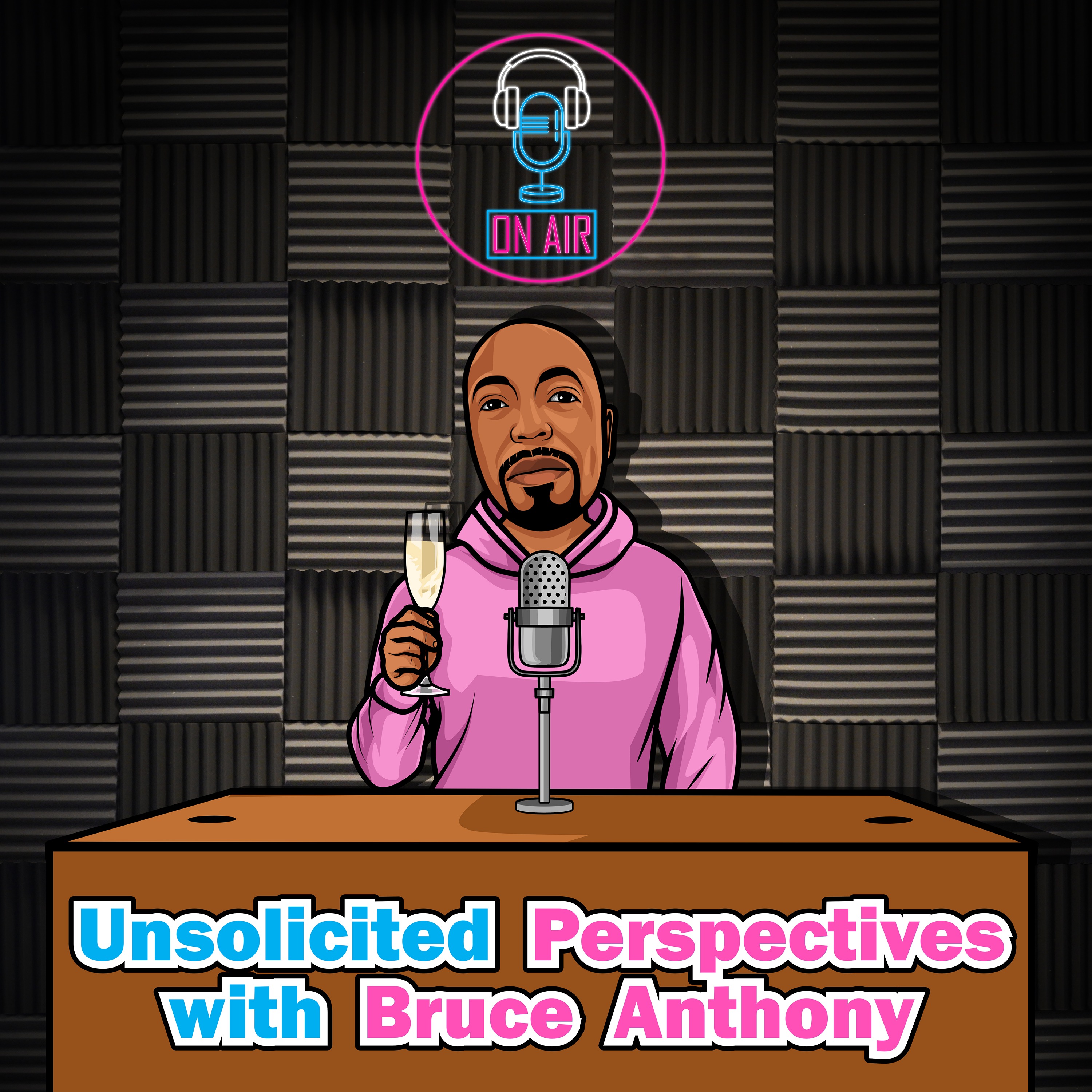
Julie Cruse joins Unsolicited Perspectives for a powerful conversation about academic abuse, higher education corruption, Title IX failures, coercive control, trauma, retaliation, and the hidden systems many survivors say exist inside college campuses and universities.
Bruce Anthony sits down with Julie — founder of AcademicAbuse.com and author of The Burn List — to discuss her deeply personal journey through childhood trauma, systemic abuse, and the emotional cost of speaking out against powerful institutions. What begins as a conversation about higher education quickly becomes a larger discussion about power, silence, manipulation, exploitation, and why so many survivors feel trapped inside systems designed to protect themselves first.
Julie explains how universities can create environments where vulnerable students feel isolated, pressured, and afraid to speak up. The conversation also explores the parallels between academic abuse, athletic scandals, institutional protection, and survivor advocacy.
This is one of the most emotional and intense interviews ever featured on Unsolicited Perspectives — raw, uncomfortable, thought-provoking, and necessary. If you’ve ever questioned the systems society tells people to trust, this conversation will stay with you long after it ends. #AcademicAbuse #HigherEducation #JulieCruse #TheBurnList #Academia #TraumaRecovery #SystemicAbuse #CampusCulture #SurvivorStory #unsolicitedperspectives #podcastinterview

 Apple Podcasts
 Spotify
 YouTube
 Castro
 RSS Feed
 Amazon Music
 iHeartRadio
 TuneIn
 Podcast Addict
 Podchaser
 PocketCasts
 Deezer
 PlayerFM
 Goodpods
 About The Guest(s)
Julie Cruse is an author, researcher, and advocate focused on exposing systemic abuse, coercive control, retaliation, and gender-based violence inside higher education institutions. Through her platform AcademicAbuse.com and her memoir The Burn List, Julie documents patterns of institutional abuse, academic exploitation, Title IX failures, coercive power structures, and the long-term psychological effects of surviving toxic academic environments.
During this episode, Julie shares deeply personal experiences involving childhood trauma, systemic violence, academic retaliation, coercive relationships with faculty, institutional gatekeeping, and the emotional cost of speaking out publicly. She also discusses her upcoming research project and book Ivory Cuffs: Human Trafficking in Higher Education, which examines how force, fraud, coercion, debt, and institutional dependency create exploitative systems within academia.
Bruce Anthony leads the discussion with an emotionally layered and investigative interview style, connecting Julie’s experiences to broader conversations around power, trauma, exploitation, athletic abuse in colleges, coercive institutional systems, and the hidden emotional toll of surviving abuse. Throughout the episode, Bruce challenges assumptions, draws parallels to systemic failures in other institutions, and pushes the conversation deeper into how silence and fear protect abusive systems.
Key Takeaways
-
Academic abuse often operates through coercive control, institutional dependency, retaliation, and power imbalances rather than overt physical violence alone.
-
Julie describes higher education as a “high-control environment” where students compete for access, approval, recommendations, scholarships, and career pathways, creating systems vulnerable to exploitation.
-
Childhood trauma and institutional abuse can mirror each other psychologically, especially when survivors enter environments that recreate powerlessness, dependency, and fear.
-
Abuse in academia disproportionately impacts vulnerable populations, especially women, first-generation students, people of color, and students with limited financial support systems.
-
Julie argues that many students remain silent because higher education systems hold enormous control over degrees, recommendations, future employment, reputation, and financial survival.
-
The conversation draws strong parallels between academic abuse and athletic abuse scandals in college sports, highlighting recurring institutional patterns of silence, protection, and coercion.
-
Julie explains how writing The Burn List became both a recovery process and a method of reclaiming power after years of silence and fear.
-
The episode explores how trauma can divide families instead of bringing them together, especially when survival mechanisms differ between siblings and caregivers.
-
Julie introduces “The Recovering Academic Workbook,” a resource designed to help former students and faculty rebuild identity and process experiences after leaving harmful academic environments.
-
Bruce and Julie discuss how the Me Too movement helped create cultural language that allowed survivors of academic abuse to finally identify and publicly discuss what they experienced.
-
Julie argues that systemic abuse within higher education represents a larger public crisis that extends far beyond isolated incidents or individual bad actors.
Quotes
-
Bruce Anthony:
“Abuse. Hiding in plain sight. Careers destroyed for speaking up and institutions betting you stay quiet.” -
Julie Cruse:
“At what point do you stop running? At what point do you say enough?” -
Julie Cruse:
“I thought violence stayed at home. I thought I left it there.” -
Julie Cruse:
“I thought higher education was a merit-based system.” -
Julie Cruse:
“The wallpaper started melting off the walls and I started seeing what was behind it.” -
Bruce Anthony:
“How can you become something you’ve never seen before?” -
Julie Cruse:
“Living in silence was so painful that it was killing me.” -
Julie Cruse:
“I now know that I was sexually trafficked in higher education.” -
Julie Cruse:
“The people who built the cage are now trapped inside my narrative.” -
Julie Cruse:
“Higher education is the most important stop on the pathway to upward mobility.” -
Julie Cruse:
“I think we have a huge problem on our hands.” -
Bruce Anthony:
“This isn’t just a book. You’re actively trying to help people.”
Chapters:
00:00:00 - Abuse, Silence, And Systems That Quiet Truths Over Time 🧨🎙️⚖️
00:02:01 - Academic Abuse Feels Distant… Until It Starts Feeling Normal 🏛️👀💔
00:04:25 - Julie Opens With The Night That Changed Her Life Forever 💔🏠😳
00:07:44 - When Running Ends And Speaking Out Finally Begins For Real 🏃♀️🔥🗣️
00:09:29 - Trauma Divided The Family Instead Of Bringing Them Together 🧩💔🏚️
00:14:09 - Success, Siblings, And Pain Of Being The One Who Escaped It 🎓😬💔
00:23:34 - Academia Became Julie's Only Way Out Of Violence At Home 🎓🚪💡
00:26:09 - College Was Nothing Like The Safe Space Julie Imagined At All 😳🏫💥
00:31:24 - 9/11, Survival Mode, And Finding Purpose Through Art Again 🕊️🎭🧠
00:41:39 - The First Signs Something Was Very Wrong In The System 👀🏛️⚠️
00:43:09 - Coercive Control Is The Hidden Engine Driving Higher Ed Systems 🧠🔒🏛
00:51:24 -Julie Finally Understands What Her Mother Truly Endured 💔👩👧🔥
00:59:35 - Writing The Burn List Unlocked Everything Julie Had Buried 🔥📖🧠
01:04:20 - Why Julie Turned Her Private Pain Into A Public Truth 📖💔🗣️
01:14:19 - The Recovering Academic Helps Survivors Rebuild Their Identity 🛠️🎓💡
01:22:10 - Coercion, Power, And The Warning Everyone Needs To Hear Now ⚠️🧠🔥
01:25:49 - The Real Cost Of Speaking Truth To Powerful Institutions 🎓💔🔥
If you’re rocking with us, subscribe, hit the notification bell, and drop a comment. Don’t just watch — join the conversation.
Want the uncensored energy? The raw takes, the spicy extras, the behind-the-scenes chaos?
🔓 Join on YouTube Memberships: https://www.youtube.com/channel/UCL4HuzYPchKvoajwR9MLxSQ/join
💸 Support on Patreon: patreon.com/unsolicitedperspectives
For full episodes, clips, merch, and everything in one place:
🌐 www.unsolicitedperspectives.com
Prefer audio?
🎧 Apple Podcasts: https://podcasts.apple.com/us/podcast/unsolicited-perspectives/id1653664166?mt=2&ls=1
🎧 Spotify: https://open.spotify.com/show/32BCYx7YltZYsW9gTe9dtd
This isn’t just content — it’s a conversation. #podcast #mentalhealth #relationships #currentevents #trending
Beat Provided By https://freebeats.io Produced By White Hot
Thank you for tuning in to 'Unsolicited Perspectives.' We hope you enjoyed this episode featuring unique and authentic views on current events, social-political topics, race, class, and gender. Stay engaged with us as we continue to provide insightful commentary and captivating interviews. Join us on this journey of exploration and thought-provoking conversations, and remember, your perspective matters!
Interview With Julie Cruse
[00:00:00]
Abuse, Silence, And Systems That Quiet Truths Over Time 🧨🎙️⚖️
Bruce Anthony: Abuse. Hiding in plain sight. Careers destroyed for speaking up and institutions betting. You stay quiet, we gonna get into it. Let's get it.
Bruce Anthony: First of all, welcome. This is Unsolicited Perspectives. I am your host, Bruce Anthony. Here to lead the conversation in important events and topics that are shaping today's society. Join the conversation and follow us wherever you get your audio podcast. Subscribe to our YouTube channel for our video podcast, YouTube exclusive content and our YouTube membership rate.
Review, like, comment, share, share with your friends, share with your family. Hell even share with your enemies.
On today's episode,
Julie Cruse Exposes Abuse Hidden Inside Academia 🎓🔥👀
Bruce Anthony: I'm talking with Julie Cruz, founder of academic abuse.com and the author of the Burn List. This is a conversation about systemic abuse, retaliation, and what really [00:01:00] happens when people speak up, but that's enough of the intro. Let's get to the show.
Bruce Anthony: As I said today, I'm gonna be talking with Julie Cruz, founder of academic abuse.com and author of the Burn List. This is a conversation about systemic abuse, retaliation, and what really happens when people speak up. Now when people hear the word abuse, most folks think that they understand it. They picture something obvious, clear lines, clear victims, clear wrongdoing.
But the reality is abuse is one of those things that's hard to fully understand If you've never experienced it, and in a lot of cases, it's even harder to understand when you're going through it. Because it doesn't always look like what people expect. It doesn't always feel the way people think it should feel, and sometimes it shows up in ways that are subtle enough to make you question yourself before even questioning what's
Academic Abuse Feels Distant… Until It Starts Feeling Normal 🏛️👀💔
Bruce Anthony: happening [00:02:00] around you.
So when you hear something like academic abuse, it can feel distant. Like it doesn't really apply like it's something extreme or even rare. But what if it's not? What if it shows up in ways that feel normal at first? What if it's tied to opportunity to advancement to relationships that are supposed to help you move forward?
And what if the same system that's supposed to protect you is also the one you have to try to navigate carefully. Because that's where this conversation lives. Julie's work through her platform and her book, the Burn List Centers on experiences that don't always get named in real time believe a lasting impact.
And once you start to hear these experiences, once you start to see the patterns, it raises bigger questions about these systems and how they actually operate. And why this matters is simple. Because these aren't [00:03:00] isolated situations. These are environments people move through every day. Students, faculty, professionals, people trying to build something, grow something, become something.
So if there's a gap between what these systems promise and what people actually experience, that's a conversation I'll always believe is worth having. And without further ado. As I said at the top, I'm here with Julie Cruz, author of the Burn List, and also the architect of the academic abuse.com. We are here to talk about academia and the abuse that's in it. Julie, thank you so much for joining the show. I got your information and I was like, Ooh, this is an interesting story.
This is an interesting topic and it's something that I think a lot of people aren't really aware of, so to bring awareness to it, to [00:04:00] give, to breathe life into this conversation. I'm really excited to have you on the show to talk about this.
Julie Cruse: Oh, thank you. I'm excited to be here. Let's do it.
Bruce Anthony: Alright, well. With every interview I start off with very, very important question. Let's go back to the beginning. Tell me a little bit about your upbringing, your family life, where you're from. Give me the des,
Julie Cruse: Ooh, wow. I'm, I've never done this
Julie Opens With The Night That Changed Her Life Forever 💔🏠😳
Julie Cruse: before, but I'm gonna do it.
Bruce Anthony: okay?
Julie Cruse: You're about to hear the opening sentence of the very beginning.
Bruce Anthony: Okay.
Julie Cruse: It was Easter Sunday. This, this chapter was called Prologue 1984. It was Easter Sunday. So mom had put us to bed later than usual when suddenly the familiar sound of Mike Barrett's fists thundered against the back door. That's how my life starts out. I was three years old and that night was the first of [00:05:00] years long abuse where this serial predator in town got into our house and, beat and raped my mother in front of us children for like 10 hours straight, nearly killed her. And what I say at the beginning of my book is that this book is my attempt to do what I couldn't at three years old
Bruce Anthony: Mm-hmm.
Julie Cruse: climb out the window and go get help. So we were on the second story, I was, and my sister was. And you know, you're hearing your mother scream, jump, jump out the window, jump off the roof, go get help, you know, jump off the balcony, go get help. And you know, when you're three years old, you're like, that's a long fall. And by the time I get there, what if he kills me?
That metaphor carried through. In a way that I never foresaw in higher education, when I encountered a sociopathic professor that was cyber [00:06:00] stalking me, had physically assaulted me, had sexually assaulted me, and was threatening me personally, professionally, and threatening my family. And it worked out to be a coercive relationship that went on for at least six years.
That then derailed my entire career and derailed my life. I fled my field, I fled states, I fled homes. I was on the run and I found myself in exactly the same shoes that my mother was actually, uh, but far less severe from the physical violence stand standpoint. And so. That is kind of what kickstarted all this.
I, I ended up leaving higher ed entirely in 2023 for so many reasons, but I'd say the majority of the reason was that the violence that I thought that I was [00:07:00] escaping through higher ed never went away. It just continued in higher ed and I tried so many different institutions. It was, it happened when I was a student.
It happened when I was a staff member. It happened when I was a grad student, undergrad PhD student, all the things. And it was always systemic gender-based violence and racism. And you know, when you think about the fact that higher education was founded by a bunch of white people, specifically white men, for white men, it makes a lot of sense that, you know, just because they open the doors doesn't mean that it's safe right now.
Not everybody has an experience as severe as mine. But I think that's why I became so activated to speak out. There came a
When Running Ends And Speaking Out Finally Begins For Real 🏃♀️🔥🗣️
Julie Cruse: point for me when, you know, if you're, if you've been running your entire life, running for your life, your entire life, and there's never anywhere safe, at what point do you stop? I really wanna say the F word [00:08:00] running.
You know, at what point do you stop running? Like at what point do you say enough like now you're gonna run, 'cause I'm gonna speak out about what you did. And that's what I've been doing ever since. Through a variety of channels. Yeah.
Bruce Anthony: First off, I wanna say thank you for sharing that very, very personal and emotional experience at such a young age. I know it's written in your book, but to still have to relive that every time that you talk about that, uh, just thank you for letting me and the audience in to that story with you and, and take this emotional journey with you because, that has to have been a very difficult situation to navigate through As you and your sister [00:09:00] were growing up with your mom.
Ha Knowing that your mom had experienced that and, and growing up in that household hold, I want to take a brief second to, to examine that from that incident. How did that bring you guys closer together or because of the pain, push you further apart?
Julie Cruse: Okay. You know what's up? You know what's up? Yeah.
Trauma Divided The Family Instead Of Bringing Them Together 🧩💔🏚️
Julie Cruse: Oh, we were all divided. It just led to complete chaos in the home. And I mean, as an adult, I have all sorts of theories about why that is. Uh, most of those are not included in my book, but I mean, you asked and I said, you can ask the hard hitting questions and I'll answer them.
This is my, my answer. My mother unfortunately was very mentally ill and after the violence became even more mentally ill and herself violent [00:10:00] and she wasn't that way before all of that. And, you know, but that's what traumatic brain injury can do. Right. And undiagnosed traumatic brain injury as well, I believe.
But anyway so the thing was when you looked at the dynamic of what was happening when Mike Barrett was, uh, invading our home, my older sister was the one who covered. She was the one who, you know, agreed with my mother. You won't tell your grandfather, you know, and covered for my mother. I was the one, 'cause I was too little.
You know, I mean, in, in this early scene where you, where you see what's happening there with Mike Barrett in 1984, my mom, so how he ended up getting in was saying that it was Easter and he and his mom had made Easter baskets for us, for the kids. And you know, we were really poor. So my mom, she's never stated this was probably like, you know, okay, well the [00:11:00] kids want Easter baskets, you can come in. And even before she even opened the door, I was praying that she wouldn't open the door like I already knew at three years old, this is bad. This is very, very bad. And I knew that and my mom didn't. So I, as a child, judged her. You know what I mean? I resented her for letting him in. Why aren't you protecting us?
Why aren't you standing up for yourself? Why don't you hit him back? And I did not, I did not understand why until I went through it and understood that when someone has that kind of predatorial nature, uh, that kind of violence, that kind of sadism and they are targeting you, that you, you learn to cooperate in order to protect yourself.
So once I was in my, my thirties and I went through all this, my mother and I reconciled it, it was a lot of years before we were like, actually, it was actually only a couple years before [00:12:00] she died that we were totally good.
Bruce Anthony: Mm-hmm.
Julie Cruse: But that set up that early dynamic of like, okay, well the oldest one is covering, the youngest one won't shut up.
You know, the me, the middle child at that point won't keep her mouth shut about why it's wrong and is, you know, uh, and then, and then the baby of the family, my little brother was actually physically in the room witnessing it and being forced to cooperate. So, you know, if you're the mother in that situation, situation, the oldest one covered the youngest one is probably gonna be messed up for the rest of their li is, is absolutely messed up.
Right. The middle one is the one that's judging you. Right. I definitely was the family scapegoat. I, I was definitely the one that the siblings ganged up on. And so. My load, uh, was one of much, you know, isolation and just bullying in the [00:13:00] house, abuse in the house, then you know, abuse in the community, bullying in the community, uh, violence from the community.
And you know, you'd never know it from looking at my face. I always joke that I have like a doll bitch face. Like, it's like it's doll bitch on the front and it's Chucky bitch in the back. Like, I'm just like there. You know, you do not know what is hiding behind this face. There's a lot of scary shit back there. And so yeah, the siblings and I no contact with one of them. Minimal contact with another. And that's pretty much about it. We've tried here and there over the years, but you can imagine the demons that are in the room with us every time we're together. It's just like, you're together. This is what you think of.
So it's just too painful to even be around each other.
Bruce Anthony: I have two more personal questions and then we're gonna get into your work.
Julie Cruse: let's have it
Bruce Anthony: All right. The [00:14:00] first, the first question is, you said your grandfather, but you didn't say anything about your father.
Julie Cruse: again. You know what's up? Yeah. Dad was, okay, so how do I summarize My father, my father at this point in time was in the military, specifically Navy Seal Team six, so Black ops, black Ops and PSYOPs. And he was training these guys in hand-to-hand combat. Uh, my dad, my mom here, a shout out to my dad. My mom used to call him the white warlock, or actually she said that he was called the white warlock by people in town because he would go and pick a fight.
And leave a dozen bodies on the ground and just be gone. Now there's a reason for that. That's the intergenerational family violence. Military runs in the family. You can take a guess. I probably can't say much more than that for risk of, you know, [00:15:00] outing other people's secrets. But I can tell you this, there's a lot of intergenerational violence.
And my dad learned at a very early age, in his own words, if this is how it's gonna be, then I'm gonna be the biggest, baddest mother on the block.
And he was. And I would. Now, as an adult, knowing what I know from both my mom and my dad, I would say that, their relationship wasn't fully consensual.
Bruce Anthony: Mm.
Julie Cruse: So they got divorced and he took off in the military and did his thing, but he, uh, he did try to stay in our lives to some degree, wasn't financially there.
Blamed that on my mother's drug abuse and stuff like that. But, uh, once I was old enough, we repaired that and he was there in the ways that he could be. And now he's like my, uh, he's my, he is my rock and he's been my rock for a long, long time. So that is that, that's my dad.
Bruce Anthony: Oh, [00:16:00] I've got so many more questions, but, uh, but the, the, the final
Success, Siblings, And Pain Of Being The One Who Escaped It 🎓😬💔
Bruce Anthony: one, and this is gonna lead into your work, you said that there's still conflict between you and your siblings.
Julie Cruse: Oh, yeah,
Bruce Anthony: Obviously y'all all went through something very traumatic.
Julie Cruse: yeah,
Bruce Anthony: also
Julie Cruse: yeah.
Bruce Anthony: you're very accomplished.
Julie Cruse: Right.
Bruce Anthony: other siblings as accomplished as you are?
'cause
Julie Cruse: too good at your job. You're too good at your job, Bruce. Oh my God. Look at me. I'm adjusting my shirt. Oh my God. He knows everything.
Bruce Anthony: I, well, I, because you bring it up that you, you came from a lower economic background and just the way this country is set up, it makes it extremely difficult for people from a lower economic background to even. To get to college, to get accepted to college, and then go to college because college is so expensive and we're the same age.
And when I went to the University of Maryland, living in state, it [00:17:00] was $12,000 a year. Now it's something like 25,000 a semester. I don't know what the last numbers were, but even 12,000 a year live at End State in 1998 was a lot of money. So I asked that question because you're accomplished author, website, helping people, uh, master's degrees, master's degrees.
What about your siblings? And could that, if they're not as accomplished, could that lead to jealousy and also the continued reason why there's distance between the three of you?
Julie Cruse: I absolutely believe so. More so from my sister than my brother. My, my brother, I think he went and joined the military too, and, served in Iraq, came back, got married, had five kids, stayed in [00:18:00] his hometown and is do you know, did well for himself that way. But I also think because he never got out of the hometown really, except for his tour in Iraq and his, a brief stay in California and Oregon with dad. I think that that, you know, he, he feels more of a need to be recognized and kind of achieve things in ways that he can, that he can share, you know, and I, and I love that about him. I'm always just like, you know, thank you for your service. Like, you're doing great. You're so much better father than, than what we had.
And I, and I love that. My older sister, I think absolutely harbors, uh, unfortunate jealousy toward me. I really do. But this is interesting because when we were growing up, she was the star. She was the star athlete, she was the most talented, she was the most popular, you know, boys were crazy about her.[00:19:00]
And, and I was just those little shadow following her around, kind of annoying her, you know? So I think that when those tables turned, you know, what happened with her is that. She became, she, she actually, and again, I thank her for her service. She joined the Air Force and she was, uh, an honor flight, which is like the best group in the Air Force.
And she was also an environmental engineer, which means she worked on the planes, which was like the hardest thing to get into. So she was smart, you know, and, uh, I'm not gonna share what happened to her, but I will say that she did end up getting, you know, diagnosed with some things,
Bruce Anthony: Mm-hmm.
Julie Cruse: that, that led to an inability to continue pursuing that career or any career. And so I do think that it's hard for her, you know, to see me make it out [00:20:00] in a way that she did not. And that hurts me, you know, because I hurt for her no matter how she treats me, no matter how. Bad. It is. I still hurt for her and I still hurt for me for grieving that relationship with a sister that I wish I had.
Bruce Anthony: Yeah.
Julie Cruse: And you know, like, don't, don't we all want our families to be proud of us. Don't we all want them no matter what kind of hell they put us through? Don't we all like, just wanna be like, look what I did. Aren't you proud of me? But I, I don't get that kind of reception or acknowledgement from anywhere in my family.
Nowhere. So, you know, that I, I think you, you picked up on a lot. You read between a lot a lines, and I hope if my family hears this, they don't get even more pissed off with me saying it. But like, it, it is also the truth. [00:21:00] That's also part of the byproduct of growing up in a violent home. You know, I think the thing that I had, and my dad says this, the thing that I had that they didn't. What I call clone Julie in my book,
Bruce Anthony: Hmm.
Julie Cruse: like at some point I learned that feelings were not gonna help me solve the situation, right? So I disassociated and I gave birth to what I call clone Julie. Like I just would just deploy this performance version of myself. She would go out and get all the good grades.
She would go out and get all the scholarships. She would go out and get all the jobs and work third shift and second shift, and do whatever she had to do to get out. That girl, you know, was my soldier. Like I didn't join the military, but that girl was, was fighting for me every day. The one that I, that I just, you know, deactivated emotionally and sent out into the world to do everything that she [00:22:00] did.
And, you know, that caught up to me after a while. So, and I also think that's part of why I'm doing what I'm doing now. Like, I don't want clone Julie around anymore. I don't need her anymore. You know, I, I have a right to my feelings and my life story and I think they matter. And I think that, that I am like a sight of evidence of something that's going on in the world.
And I think that's why my story matters, and that's why I need to speak out about it.
Bruce Anthony: As you said, you stopped running,
Julie Cruse: Bingo.
Yeah.
Bruce Anthony: clone. Julie was the person that was helping you run,
Julie Cruse: Oh yeah,
Bruce Anthony: and you stopped running. But speaking of clone Julie and starting to run,
Julie Cruse: Yeah.
Bruce Anthony: let's talk about what led you into the world of academia. Coming from a situation [00:23:00] where it sounds like your sister was excelling at school, so you had that example to live up to.
Your dad is overseas. I don't remember if you said that he went to college or anything like that, but you, but your growing up in an abusive household, you said your mom was on drugs. Was it your sister that, that kind of put that spark in. I'm gonna do, well, was there a competition? Well, my sister is a star because she's doing these things.
I'm gonna do me for better. Because not only that, you're also the middle child,
Julie Cruse: yep.
Bruce Anthony: So,
Julie Cruse: know
Academia Became Julie's Only Way Out Of Violence At Home 🎓🚪💡
Julie Cruse: too much, Bruce. You know, too much.
Bruce Anthony: I, I come from one of three. Me being the oldest and I understand the dynamics between the three. So what was it, was it all those things? Was it something else that you were just like, you know what, pursue this world of academia.
Julie Cruse: I think it's a few things. I think like I loved learning from a very, very early age. I loved it. I loved it. [00:24:00] I, I loved science, like right away I loved math. You know, I'm pretty bored with history, but like, I just loved, and I think part of that was that. And this is something I haven't said on any podcast, but I remember like as early as I could think, thoughts being just absolutely fascinated with the fact that I existed.
I didn't know those things in, in the words, but I knew them and how I perceived the world, and I just thought everything was like miraculous and magical. And so of course I wanted to understand like, how am I here? Why am I here? And basic questions that I think I really philosophically drove my learning that really didn't like necessarily drive my siblings.
I, I, they're very pragmatic people. I was kind of like the. Head in the clouds one. And then also, yeah, my sister excelling. My mom was really funny. My sister would bring her homework home from school before I was in school and she'd just dote on her. And [00:25:00] I thought that was the way to get love was, you know, to go and, and do that.
And of course, when I got to school, I didn't get that same reception that my sister did no matter what I did. So I think that planted a seed to like be competitive, but then also. Really funny. The kids in my class, in school were mostly middle children or younger siblings of like my sister's class. So those guys were all the eldest.
And I was in the class with all the, like the second borns and they were very competitive. So it was all around me between like, you know, at home I'm, it's competitive there in school, it's competitive there. I wanted to hear my name called on the honor roll. And then of course we're taught from a very young age, if you don't wanna end up at McDonald's, you need to go to college.
If you're gonna go to college, you need to get good grades. You gotta get good grades because that's the only way to get scholarships. And so it was really hammered into my head that like, higher education is the way out of [00:26:00] a dead end job. It's the way out of, you know what, what I saw going on at home, which was a woman being financially dependent upon a man that is abusive to her and her
College Was Nothing Like The Safe Space Julie Imagined At All 😳🏫💥
Julie Cruse: children.
I was like, this is my way out of that. Yeah.
Bruce Anthony: Yeah. Okay, so you enter the world of academia
Julie Cruse: Yeah.
Bruce Anthony: and is it what you thought it was when you entered it?
Julie Cruse: Oh God, no. It was total culture shock. Like, I mean I thought I pictured that when I went to to college, and this is gonna probably be really funny to your listeners. Like I really, I pictured that it would be a bunch of people like me, you know, with their books and their like Tiffany lamps and like a nice wooden desk and a really nice dorm room.
And boy was I wrong. Like it was just party central. Like everybody was drinking, everybody was doing drugs, everybody was cutting glass. And that was like so shocking to me 'cause I had never [00:27:00] seen anything like it. And so there was all that going on that hit me upside the head, but at the same time.
Bruce Anthony: I wanna cut you off for a quick
second because this is undergrad, correct?
Julie Cruse: Correct.
Bruce Anthony: And, and where did you go to undergrad again?
Julie Cruse: Can't read, can't write, cant state
Bruce Anthony: Okay. All right.
Julie Cruse: uhhuh. Oh, very big party school.
Bruce Anthony: Mm-hmm. I've heard the rumors. That's the reason why I brought that up.
Julie Cruse: And I, and
Bruce Anthony: got this shell shock of this party school that you obviously didn't partake in in high school to prepare you for college.
Julie Cruse: right?
Bruce Anthony: So was it like, oh, I want to go home. This isn't right for me, or No, I'm going to stick this out.
Julie Cruse: It was a mess. It
Bruce Anthony: Mm.
Julie Cruse: was a mess. An absolute mess. Like my roommate was a s slob and I was like, OCD, and, uh, I mean, I, I had no peace in the dorm. People were [00:28:00] knocking on the door at all hours. Let's go party, let's go this, let's go that. It was all the time. It, the morning, if you wanted to, to get out the door and go to class, you had to compete with your entire floor.
Of women for a limited number of shower stalls, a limited number of toilets, a limited number of sinks, and a limited number of washers and dryers that were coin operated. So everything was like, uh, just completely like I thought I had all these survival tools from, you know, uh, on average in high school, I slept like two hours a week.
You know, I was raising my little sisters. I was to multiple jobs, 13 extracurriculars, 3.69 GP, a top 0.5% of my class. And I was like, well, I can do anything. And my advisors thought, well, you can do anything. So they enrolled me in all these like, really intensive, like five credit hour courses that were like hardcore math and science and, and I had nowhere to really study 'cause they [00:29:00] just, you're just partying all over campus all night. And uh, you know, and then also, like, I had no idea who I was. Like there was all these people around me asking me questions, challenging my identity, asking me what I valued, what I cared about. Why this, why are you this?
Why do you do that? Why, why, why? And I didn't know. I didn't know those things. All I knew was I fought for my life for 18 years and that's all I knew was like fighting for my life. So when people were asking me these questions and challenging me, it really, what that did is it made me ask myself those questions.
And the only answer that I could find in myself when I looked was all the pain that I had been blocking out in order to get there. And so that set me on the first. Maybe not the first, but the first very serious, uh, time in my [00:30:00] life in which I was suicidal. And it was a very, very serious time that I was actively, like looking out windows and trying to find a window where no one would find me if I jumped, you know, that they wouldn't find me in time to save me.
And yeah. So I fell off the tracks. I, in order to not kill myself, in order to not kill myself. 'cause I lived on the eighth floor of the building and the window was right over my bed. So I would see it right away when I woke up. And just imagine like, it'd be so easy. Just go, you know? But in order to not do that, what I did is I just slept.
I slept through all my classes. I stopped going. I only got up to go get like a snack from the vending machine. I was a mess. And nobody knew. Like I hid it, nobody knew. And, and so I [00:31:00] started journaling and the journaling is kind of what started to pull me out of it, just to like going through these things and, and then, you know what really snapped me out of it, funny story was actually nine 11.
Bruce Anthony: Hmm.
Julie Cruse: Yeah. Nine 11 happened during that time. And suddenly I realized, like we were at war, I was like, well, who's gonna be bombed next? I could die today. I could die
9/11, Survival Mode, And Finding Purpose Through Art Again 🕊️🎭🧠
Julie Cruse: in an hour. I could die in a minute. What difference does it make? You know, why am I trying to sort all these things out when what I really should be doing is enjoying whatever amount of life I have left?
And that's what kind of snapped me out of it. And, and that's when I, you know, realized I wasn't happy in the physics department, which was predominantly men. I was tired of that. You know, so there's, there's a lot of things. It was that was the first time I think I encountered the male bias in, in, from the professor side, like, you know, okay, so when [00:32:00] I'm being by a male professor, especially in private, this is where me being a woman is a liability to me.
And, and I looked around, you know, at different programs. Are there any other physics programs in the country that aren't male dominated? No. So this isn't gonna work for me. 'cause I knew I didn't want that dynamic again for the rest of my life. And then I wound up going into the arts, the fine arts, and that gave me a whole different lease on life.
Yeah. So I, I kind of went on a little tangent there, but go on
ahead.
Bruce Anthony: no, because that, that was leading me to the, what my next question was. When was the first time you felt like something was a little off? Not necessarily wrong, but a little off, and that it, it seems like the interactions with your physics professors are, are what did it for you. At what point did you realize, so you go to define arts.
How is [00:33:00] that different from physics?
Julie Cruse: Hmm.
Bruce Anthony: It's not dominated by men.
Julie Cruse: Oh, not straight men? Not straight men. No. There were some heteroflexible heterosexual men, but it was pre predominantly in the dance department, which was where I went. And I explored like music and theater and all these other things, but I didn't feel that same, not at Kent State. I didn't feel that same sexism directed at me at Kent State, which was fortunate.
And, uh, I think when I transferred and went to the next university, which I use as a pseudonym in my book for legal reasons to make sure that I'm not, you know, uh,
liable.
Bruce Anthony: Yeah.
Julie Cruse: Yeah. 'cause there's a lot in there. That's kind of where the story really. I start the wallpaper starts melting off the walls and I started to see what's behind it.
You know,
Bruce Anthony: Okay. [00:34:00] Before we go there, why did you transfer? If you, you found your, sounds like you found your home. It's almost like clone Julie is, is almost, maybe almost getting pushed to the back burner. Why leave that to
Julie Cruse: you
should be my therapist Bruce. Well, Ken State was not a good environment for me, the partying. It was just way too much. And, I auditioned down at Ohio. Oh. I'm letting the cat outta the bag. Ohio University School of Dance. I auditioned down there because I, I saw that they were a multimedia dance program that they had, and I was very, because I came from physics, right?
And I always loved science, so I was like, wow, this is an opportunity for me to really innovate by going there. And I auditioned and they let me in on the spot. And I loved the campus. I loved the people. I loved the townies, I loved the trees. You know, it was a completely different [00:35:00] little environment that was much, much, much better for me.
Bruce Anthony: Okay,
Julie Cruse: Yeah,
Bruce Anthony: so you enter into another school.
Julie Cruse: right.
Bruce Anthony: What, at what point did you realize that it
The First Signs Something Was Very Wrong In The System 👀🏛️⚠️
Bruce Anthony: was, you were, you were being treated differently
than at Kent State, and when did you also realize that you're, that you're not only being treated differently at Kent State, but it's not just you, that it's a bigger issue and it might be something sti uh, systemic.
Julie Cruse: Yeah. Well, what's interesting is that I didn't really have language at that point in time for what I was seeing and experiencing. So what, you know, uh, if you don't have language, it's a lot harder to like accept something if you, if you don't have like a, a framework in your mind for it that you can reference against and, and look at this and go recognize that that's this.
Like, I didn't have that, you [00:36:00] know, I, I was still like high on the Kool-Aid that higher ed is this amazing ivory tower place and everything's safe and no, I. I knew really early on that I was being treated differently by the professors, but I attributed that to the fact that I started as an adult. I started dance as an adult.
Like, so I made that a personal failing of my own. You know, I was just like, well, I, you know, these kids are been training all their lives. I have to earn my place, you know, I have to earn, and maybe there's some truth to that, but there's a difference between, you know, you accepted me into the program, right?
And so then there's a difference between me, you know, feeling like I'm behind my peers and training and having, you know, a professor throw a paper in my face and give me a poor grade on it for no reason. You know what I mean? Like [00:37:00] there's, there's a difference between me feeling like I'm behind my peers and feeling like, why did the tour bus leave me in the parking lot when I was there on time? And I had to get in my car and chase after it right when I'm chasing after the tour bus. Why then do they stop on the bridge a half a mile away for a male student that never even showed up to the meetup point at all. So they'd stop in traffic for him, but leave me stand stranded in the parking lot. Why?
You know, I started to see stuff like that. I started to see, you know, the accompanist staring at me intrusively during class, trying to talk to me in the hallways, uh, and professors looking at me like I was the problem. You know, instead of, and I didn't know anything about what was happening. I really didn't.
I, my first time, [00:38:00] you know, like I, I thought violence and sexism stayed at, at home. I thought it, it was there, that's where it was and I left it, and I'm safe in the rest of the world. Well, did I find out the hard way? That was not true at all. And that was in year one. Those things that I just said were year one of the program.
And then I also started seeing, yeah, like I had come to college with a full scholarship and the department gave me $500 instead of continuing my scholarship. And then I started to outpace my peer students in my work. So much so that the department was using my work to advertise for their program and only my work and asking me to speak, you know, to parents of auditionees and the president for the campus tours, they were asking me to do that. But then they, they, they gave me no scholarships, none, not even the $500 [00:39:00] they gave me in year one. So that was when they started putting me in student loan debt in order to be there. Right? And then, and so I, at first I noticed it directed at me, and then I started hearing my peers complain about it, especially peers of color. And it, and professors even, there's a lot of turnover. People they were leaving, they were talking about dynamics in the department as the cause and it's this right here that I'm talking about. I know I named Ohio University School of Dance. But guys, if you're listening, it's an open secret. I have heard about the dirty laundry in your department.
At other campuses from other faculty who have brought it up for themselves. That's how far word travels. When there is a systemic, racist, sexist, classist culture that harms people, you know, you think you're [00:40:00] getting away with it behind closed doors under the table. You're not, you're not, you're exposed and everybody knows, sorry to tell you.
But yeah, it sucks that, that people like me who are the most vulnerable there, the first, first generation at risk, completely like financially crippled students, are the ones paying the heaviest toll for, for, for that sort of abuse. And that no one stepped in. To interfere. No one stepped in to, to correct the problem.
You know, I had professors come up to me and pull me aside and say, Julie, I don't know why they're doing this to you or Julie, you know, I know why they're doing this to you. It's because they see you as a threat. You're too good. You're too smart. They feel like they can't teach you, as in like you are teaching them things or you're asking questions that make them feel like they [00:41:00] don't know what they're talking about.
Right. I didn't know that I wasn't allowed to ask a question in a classroom. That was news to me too. I was like, oh, I, I thought if something didn't make sense, we were having a discussion that we were supposed to have a discussion about that. No. So I started to learn about the politics. And I learned the absolute hard way.
Like, you know, nosebleeds kind of way, like, like, uh, accumulating tens of thousands of dollars worth of student loan debt that you'll be shackled with for the rest of your life kind of way, you know? Yeah. And, and having, you know, your work
Academic Abuse Mirrors What College Athletes Experience Daily 🏀🎓😳
Julie Cruse: be appropriated in exploited for their benefit all while they're subjugating you and closing doors to you and trying to hinder your career instead of enable it.
That kind of way is how I learned.
Bruce Anthony: it's almost as if there's a parallel between [00:42:00] your experiences and the experiences with academic abuse and college to the athletic abuse and college.
Julie Cruse: Oh yeah.
Bruce Anthony: From what you're describing to me, it, it seems eerily similar to what basketball players and football players, lacrosse, whatever sport that you play in college experience, uh, the same way as what you're doing, what you're talking about with academic abuse.
A lot of people don't realize that athletic scholarships are, have to be renewed every year. Just because you signed a letter of intent and got a, uh, athletic scholarship doesn't mean that you're gonna have it your sophomore year or your junior year or senior year. So this is to find out, this is, I'm learning it first time. That the academic abuse is parallel to what a lot of athletes are facing in college as well, which is eyeopening. Why do [00:43:00] you think so many people experience these things but struggle to name it while it's happening? Because you said you had that problem as well. Is it just the
Coercive Control Is The Hidden Engine Driving Higher Ed Systems 🧠🔒🏛️
Bruce Anthony: power structure of you are students?
Julie Cruse: It's so many things. I think the most adept to two word explanation is coercive control.
Bruce Anthony: Hmm,
Julie Cruse: So coercion is a foundation of higher education. Let's look at it. Okay. So what other industry makes buyers compete with each other for the luxury of buying what they're selling?
Bruce Anthony: hmm.
Julie Cruse: Why is it that I as a consumer have to compete with other consumers to be allowed to buy your product?
That's already coercive. That's [00:44:00] already, that's already coercive. Like how, how is that not cult-like, like that I have to. Bruce, you and I wanna go buy the same pair of sneakers. Okay? Why do I have to be better than you to be allowed to buy that pair of sneakers? Why? What is that about? What is the purpose of education?
What are they selling? Okay? And if, if education alright, is supposed to be about upward economic and social mobility, that's what they're selling, right? That's the dream. Okay. That's one piece of the dream. The other thing that they've been selling, which I don't think they're gonna get away with selling for much longer, is they're like branded stamp of approval.
Like, oh, you came from Harvard, you know, oh, I'm, I'm from Harvard, so I'm gonna get whatever job I apply for because I'm in Harvard. You know, they sell, that's what they're selling. They're selling an image and they're, [00:45:00] they're, they're, they gatekeeping your ability to get a career essentially. Now they'll say, they'll say, how?
Well, you know, the liberal arts education is important for people to be active civically and to be able to, you know, knowledgeably vote and whatever. And like, okay, that's great Karen, but then why are you making me compete for that ability? If it's supposed to be about equity, right, and it's supposed to be about civic action, then why do I have to compete to buy what you're selling me and why do I have to buy it?
All right. Okay. So like, hold on. So right there is already an element. Of coercive control because, let me explain this. Let me walk you through this, right? So once you get that coveted spot that you had to compete for, to achieve, right, to obtain, you're suddenly in a department with a bunch of [00:46:00] other competitors who beat out other competitive competitors and now feel like being there itself is still a competition, right?
So the, the buyers are still competing with each other once they get in, once they're allowed, once they've been approved as buyers of the product, they still have to compete with each other to keep the product. They, they haven't been delivered the degree, they haven't been delivered the education. They haven't been given the letters of recommendation that they're gonna need to go out and get the next degree or the next job.
You're still on the hook, right. Okay. And what exactly are you on the hook for? Now? Here's where the power comes in. Oh, well, you know, like that, that professor, God, I would love to name her. I would love to name her.
If you're listening, if you're listening out there, hi. I still see you. I still see you. Like I remember that day you threw my paper in my face and gave me a C minus on it, even though I had [00:47:00] so many other people.
Review it from the librarian. Make sure that it was aligned with your assignment criteria. 'cause I knew that you didn't like my opinions that like, dance, I'm not gonna get into it.
Bruce Anthony: Okay. off air. I can tell you about my experience, my freshman English class when I wrote a paper, uh, the inequality of drug laws. But, but we're, we're talking about you,
Julie Cruse: yes.
Bruce Anthony: you said power.
Julie Cruse: Right. So then you don't like my opinions, ma'am, I'm not gonna call you doctor at this point, ma'am. You don't like my opinions, so you lower my grade. Not because I'm not allowed to have my own opinions, but because my opinions and the degree of excellence with which I argued them is a threat to your opinions.
In other words, it's a threat to your territory. I have become a liability to the territory that you ma'am claim to be a PhD of, [00:48:00] that you are out there presenting on at conferences. Who is this girl to come over here and take a piece of my territory? C minus paper in the face, out the door? That's what's really going on.
It's territory. It's territory that they're fighting over. It is intellectual territory that comes at a price point.
Right. So you think when you're going into higher ed, you're like, oh, I'm gonna go get a degree and I'm gonna go get a job. And then you find out that the departmental politics are not, unless you kick up, help me expand my territory, and I might open a door for you, I might.
That's the coercion. It's implied the whole way through.
And not only that, you've paid a price for a product that you haven't obtained yet. They have your money, but you don't have what you bought yet. So you have to [00:49:00] cooperate with them every step of the way. Now, if you're a predator, you're a bad actor, you see a cute young thing that you wanna sleep with, how easy is that to exploit?
Bruce Anthony: Hmm.
Julie Cruse: Especially if they've gone into debt like I did, especially if they came from an abusive home like I did. No network of support. Nobody's gonna help them file a lawsuit. Who are they gonna tell? No one's gonna believe them because in the department is playing the same game. Power
Bruce Anthony: Do you, I'm trying to think of a delicate way to ask this question, because now we're getting to your abuse.
Julie Cruse: Mm-hmm.
Bruce Anthony: Do you see parallel? Is,
Julie Cruse: This the right Uh,
Bruce Anthony: I'm gonna get there, ladies and gentlemen. I'm gonna get there to the, to the question, the way I wanna word it.[00:50:00]
Julie Cruse: I get to sit my coffee while you do that.
Bruce Anthony: Okay? So all of those things. You come from a poor background, you get a scholarship, they take away your scholarship. Now you're in student debt. You that had to have made you more susceptible to the abuse. But do you think the res that there's any connection with the resentment with your mother that led there to let, that led to that as well? I, I, I'm trying to, I'm trying to frame this question in a way that there's a connection from, do you think there's a connection with the anger you felt towards your mother? The kind of, it's almost like you, you stopped respecting her because of what [00:51:00] happened.
Julie Cruse: Mm-hmm.
Bruce Anthony: Not, not because of what happened, but because of the lack of fight. Was there something that when it was happening to you that you recognized, oh, this is what my mom was going through. I understand it better now, or it just No, I don't understand it any better.
Mm,
Julie Finally Understands What Her Mother Truly Endured 💔👩👧🔥
Julie Cruse: Oh, I absolutely understood my mom so much more, so much more, so much more. Especially 'cause, and the older I get, the more I understand her, the more I think, wow, women weren't even allowed to open a bank account until the eighties, you know? Or, you know, women were the last people to get the right to earn income in this country.
You know, like I, the more I learn, the more I regret my naivete and my initial relationship with my mother. But also I think I'm gonna come back to clone Julie. [00:52:00] Once I got to higher ed. And I, I survived this horrific train accident of an upbringing, right? And, and did what nobody else could have done to get those scholarships to college. I, I thought that I had the space to be my whole authentic self. I thought that I had the space to love what I was doing, enough to question things, you know, to love what I was doing, enough to excel at it. And boy did I excel. I mean, I was, stuff that I was doing as an undergrad was being discussed internationally.
You, you know, everybody uses AI now. By the way, my senior capstone in 2007 was simulated AI software for dance. I did that by myself. I taught myself how to do [00:53:00] it. Okay. But I wasn't worthy of scholarships. Ooh, really? Okay. So let's see. You know, and there's more to that story too, because even though my entire undergraduate department didn't give me a single scholarship, except for that $500 one, right.
I got one from the College of Fine Arts in that school. So like some Dean saw my work and was like, throw her a scholarship. Right. So, but my own faculty wouldn't do that. And then, you know, I got accepted into the number one department for dance in the world on a full scholarship and TAship. Right. So why was it that, that the number one department on the planet was like her and pulled me in with full funding, but these people over here didn't wanna fund me.
Right. Why is that going back to clone Julie? Like I said, and my mom, I mean, these questions that you're asking, I thought I, I was under the delusion when I went to higher education that [00:54:00] it was a merit-based system. So the more I figured out, not mentally, but just experience, like experientially, that it, that it was not merit based, the more angry I got, you know? And a certain point realizing that there was a zero sum game that no matter what I did, I had been blacklisted like a at, and then I left.
So I invested, at that point, like, say eight. How many years was it? 3, 7, 10 years. In a degree that I end up having to completely walk away from because I was blacklisted by these faculty that exploited me, stole my work, blackmailed me, sexually harassed me. You know, so it's like, [00:55:00] you know, yes, absolutely.
I thought of my mom and, and also during that time my mom published her own memoir, which you guys are gonna love this. Hang on. This is my mom's memoir.
Bruce Anthony: Oh wow. For those that are listening to the audio, first of all. Jump on the YouTube page, check out the video. But this is her mom's book. I can't zoom in 'cause of the glare. I can't see the title, but Julie, can you tell the
Julie Cruse: Yeah.
Bruce Anthony: the title is?
Julie Cruse: Crazy people can be very dangerous. Am I?
Bruce Anthony: Mm.
Julie Cruse: And it is, lemme tell you how many pages her, her book is. 500 plus pages. Okay. And this was part one of three that she wrote and reading her book at the time that it came out, I was in grad school and the Yeah, absolutely. I, I [00:56:00] started seeing my mom in a whole different light, like, you know, and, and I remember thinking like, well, maybe I should be grateful that I had these terrible experiences.
' cause now I can relate to her better. But I don't see it that way. I see it as me and my mom were both a couple of hood bitches that got put through a hood life. You know what I mean? Like, that's what I'm gonna say. Like, it was not, we were both, uh, let's say casualties, you know, of like kind of mass sexism and gender-based violence. And so eventually she knew I was gonna learn that. You know? Why do you think she was like, you, you know, Julie, you think you know everything.
Okay, college girl.
Bruce Anthony: mm.
Julie Cruse: you wanna call the cops? What are the cops gonna do? You know? Like I had to find that out the hard way as an adult. And unfortunately, higher education was a part of that learning experience for me, very sadly. But you know what? I'll tell you something, Bruce. It's not uncommon. [00:57:00] And I'm gonna show you another book right now.
I'll tell you the title for people at home. I just started reading this book. It was published, uh, I wanna say November of 2025. I'm gonna confirm this real quick to make sure I didn't get it wrong. It's by a woman named Nicole Badera. Hopefully I'm pronouncing that right. 2024, uh, Oakland, California. It is called On the Wrong Side.
There's a blur here. Okay? How universities protect perpetrators and betray survivors of sexual violence. And I'm not even gonna get into all the things that I've read so far, but let me just tell you this. Underneath that book is another book called Broken Record. Gendered abuse in academia. And this one was published in 2025, late 2025, compiled by some 50 academics.
50,
Bruce Anthony: After the Me Too movement. Do you think there's a direct correlation
Julie Cruse: Oh yeah. Oh yeah.
Bruce Anthony: with me Too [00:58:00] and the now, uh, people coming forward with academic abuse?
Julie Cruse: Oh, absolutely. And we talk about that. It's both of these authors or excuse me, both these texts talk about Me Too, post Me Too, in the book. And I relate to that too because I remember like looking back and being like, God, we weren't talking about this back then. It was all swept under the rug. And like it, that's part of why it was so hard for me to realize it was happening because we didn't even have a cultural language for it, you
Bruce Anthony: Yeah.
Julie Cruse: Yeah.
Bruce Anthony: I don't want to give everything about your book away because we want people to go buy your book, but with your opening line that you read, the top of the interview, your [00:59:00] book is very personal, very emotional. was that experience like for you writing this book?
Julie Cruse: yeah, I actually, I didn't plan on writing a book. When I started writing it. I had just, uh. Reached the end of my rope with higher ed and left and was sick for a few months and needed to, to start unpacking things and thought writing would be a good place to start. And I just never stopped writing and I, I can't believe that, but the I wrote
Writing The Burn List Unlocked Everything Julie Had Buried 🔥📖🧠
Julie Cruse: 180,000 words in six weeks.
That's how much I was unpacking. And so there are chapters that unfortunately are not in this book that you guys will never read, never hear about things that are far more graphic
than I have let on. But what it was like, awesome. It was so [01:00:00] awesome. I, I remember telling people I felt like I was on fire, and it's part of why I got, that's part of where the title comes from, is I really felt like I'd be up until four in the morning.
I'd sleep for two hours. I'd get up, I'd keep writing, and, it felt like, uh, you know, I, I very much felt up until the point that I left higher ed, like I was in this little cage, that I was in this invisible cage of threats and abuse and coercion and silence and retaliation and fearing that if I ever spoke out harm would come to me or my family, right?
And I was on the run, blinds were closed, you know? And so as I started writing, I, for the first time remembered so many things that I had blocked out and like named so many things that I didn't have language for. [01:01:00] Validated things that I had gaslit my own self out of, even bleeding over the years.
Like you'd think, like after everything that I went through that I was angry about it the whole time. No, that's not how that works. I stuffed it down and I was in denial, like big time denial about everything that I went through. And I, I could, because it was so shocking, I couldn't even believe the shit was happening to me.
I, I couldn't even believe it. It was like it happened to somebody else, you know? So sitting down and writing it all out, it was like, uh, moving the bars, like I started to push the bars out and get up and walk around and look at them and see where the bolts were screwed in and, and be able to start loosening them.
And, and at some point during the writing process, I started to realize there is a way to flip this cage inside out. So that I'm on the outside and [01:02:00] the people that built this cage are in it, like they're in my narrative now. Like, I control my, my victim story,
Julie Names The Cage Higher Education Built Around Her Life 🔒🏛️😳
Bruce Anthony: Mm-hmm.
Julie Cruse: this. And boy is that powerful. That is so powerful. And, I think the other thing that writing this did for me is help me, uh, realize something that most people that have gone through what I've, what I have, will never, it'll never even occur to them to think I now know that I was sexually trafficked in higher education. It was trafficking. Because most people don't know that sex trafficking for those who are not minors, right. Happens because of force fraud coercion. [01:03:00] Those are the three force fraud, coercion, and the fourth debt coercion, and it's so easy to see now. How much I was labor trafficked and sex trafficked through higher ed. And I, I do believe that higher ed has a trafficking issue, and I am working on my next book as a result of that.
It's gonna be called Ivory Cuffs, human Trafficking in Higher Education, and I'm gonna be looking at cases that I track on my dashboard@academicabuse.com. Gonna be looking at cases like OSU and University of Michigan. And by the way, there's something like 20 more athlete cases that have come out in the last couple of years where athletes are accusing their coaches and directors of various forms of abuse.
I'm gonna start looking at all these cases, and I'm gonna start analyzing them like a lawyer would, looking for force fraud and coercion, and identifying the cases where victims were actually trafficked, knowingly and unknowingly, meaning that the environment of higher education itself provided the [01:04:00] force fraud and coercion necessary to pressure the victims into cooperation or subordination or whatever was
Bruce Anthony: Wow.
Julie Cruse: Yeah,
Bruce Anthony: Wow, wow. Okay.
Yeah, I mean that's, there's a reason to be pissed about that. Let's, let's go back to your first project and
Why Julie Turned Her Private Pain Into A Public Truth 📖💔🗣️
Bruce Anthony: as you're writing this burn list, as you're describing it to me, I think back to 18-year-old Julie at Kent State journaling, and it just seems like journaling is your release. So as you're journaling, as you said, you weren't planning to make it a book,
Julie Cruse: Right.
Bruce Anthony: at some point you decided, I'm gonna make all this personal stuff, very personal stuff, public.
Julie Cruse: Yeah.
Bruce Anthony: Two questions. When in the writing process did you decide that, and did your mom being a published memoir [01:05:00] author have any influence on, on that decision?
Julie Cruse: I'll answer the last question first 'cause it's the easy one. I, it actually had nothing to do. Love my mom. I think I'm just an apple from her tree, I think is what that really is. I think somehow the call in us, like I think when you go through so much abuse, you need an outlet for it. Like, you wanna tell your story, you want it to matter.
You know, you don't just want it to be in vain. And my mom, lemme tell you, was a very, very gifted musician, a visual artist, writer, you know, she was. Gifted and I've seen a lot, right? She was gifted and so I think she was trying to reclaim her artistic voice in the same way that I was trying to reclaim mine and I, and, and as women from the same family tree.
It's like, wow, how powerful is that? Right? And I do reference my mom's book in my book and, and I'm hoping that people follow that [01:06:00] legacy and go back and read her book too. She's no longer with us, so she doesn't even know that I've published. But I like to think that she's up there in the next realm.
Like, uh, smoking a joint and being like, you know, I'm, I'm proud of you kid. You know, listen to The Beatles. But, uh, the first, the other question, the former question, like, at what point did I decide I was gonna publish? Boy, that was tough. My partner was the one who kind of nudged me. 'cause I just, well, one morning I'd been up all night and he is like, well, what were you doing? And I was like, well, I was writing and I was like, I, I wrote like 20 pages last night. And he was like, well, if you get to 30, you got a book. And I, I didn't think that I would get there. I was just like, but I couldn't stop. And the next time I talked to him, you know, because I had to go pet sitting across town, I came back and I was like, I wrote, [01:07:00] I can't remember, it was like, like 60,000 words or something like that.
It was a lot while I was there. And he was like, Julie, you might have a trilogy. And within weeks, I, I had more than enough for a trilogy. But I, I, you know, I, I still wasn't thinking I was gonna write a book at all. I, I, at that point, I was still just sorting the. I was tagging the bodies on a post-war battlefield and sending them home for a proper burial.
That was what I was doing. I was not trying to write a book, but I will tell you that as part of that process, once the writing got to a certain point, you know, almost 200,000 words, I had decisions that I needed to make about what part of this battlefield I was gonna clean up next. You know? And so I had to go back and really look at all the bodies
Bruce Anthony: Right.
Julie Cruse: like, be like, okay, so where do I wanna go [01:08:00] next?
Like, who, who gets shipped first? And that was when I noticed the theme that I, that most of my story, you know, involved so much abuse in higher ed, like that, that what happened up to 18 is not what keeps me up at night. I don't have nightmares. About watching my mom get beaten and raped. I don't have nightmares about sexual abuse and physical abuse growing up.
I don't have nightmares about, you know, the, the two by fours to the back of the head, the being creeped on in the middle of the night. I don't have nightmares about those things. I have nightmares about what happened to me in higher education. I have nightmares about specifically the first professor to coercively rape me.
He's the one I have the most nightmares about. And there's only one explanation for that. You know, it's that we're taught so much that this is a [01:09:00] safe place. We're, we're told that to put our futures in these people's hands. And when you do that specifically in this environment, they have the power to completely crush you. And in my case, they did. They crushed me and I've been climbing up through the rubble ever since. Like, just, you don't wanna know. I, like I said, doll, bitch on the front, Chucky bitch in the back. Like, you don't wanna know what it looks like on the inside. It's a good god bloody damn mess. Like, so at, at that point when I realized that the focal point was higher ed, it became a matter of public concern. I was like, this is something that people need to know about now. What are the risks to me? And I spent months thinking about the risks. Who are the bad actors that could find this out and wanna harm me or harm my family? How do I [01:10:00] indemnify myself against those threats? I hooked up a very expensive surveillance system on my home that is monitored 24 7.
I have changed. I have changed my address, like changed business names and entities. I've transferred copyright and intellectual property ownership out to business names that are anonymous withholdings companies. I've got a lot of different layers to protect myself
Bruce Anthony: Mm-hmm.
Julie Cruse: and I used pseudonyms in the end, right, to do this. But, and I even, I, I even took it through a literary attorney to review the text and help me work through legal concerns. Like I did a lot. I spent a lot of money on protecting myself in this process. That being said, you know, what happened, Bruce? It became a situation where living in silence was so painful. Running [01:11:00] was so painful that it was killing me. And I was like, well if I'm gonna be living this way anyway to the point where I don't care if I live or I die, then what the fuck is the difference? And you can bleep that out. Like what the fuck is the difference? Like if, if they're gonna kill me, if they're gonna abduct me, if they're gonna threaten me, then fucking go on ahead and do it.
Come and fucking get me. Like come and fucking get me. I'm gonna come for you is what I'm saying. And I don't mean you, the people in my book that are under pseudonyms, I don't mean them. I mean the entire rotten to the core system. Like, 'cause this is what is going on and I am no longer willing to be silent about it.
And I know that I have a bunch of people on my newsletter, the hundreds of them that open it and read all the stories of like all the different latest abuse cases and they don't say anything 'cause they're all scared to lose their jobs. And I'm just like, you know, and you're part of the problem. You're the bystanders that are part of the problem, you know?
So like, I don't, I don't care anymore. [01:12:00] I just know this. Me fighting higher ed. Okay? Like, it's not on me to do it, and I, I can't do it by myself, but my issue is this, it is the very most important stop on a person's pathway to social and economic upward mobility. It is the most powerful stop on that pipeline and for them to be doing what they're doing. Why is it that 38 universities have Epstein ties
Bruce Anthony: mm.
Julie Cruse: dashboard? Why is it that, that there's like 20 different college athletic scandals of sexual and physical abuse? Why is it that there's so many Title IX allegations in the news? I've got over 8,000 stories in my dashboard. Half of them are Title IX and [01:13:00] harassment.
The other half are discrimination. What the fuck is going on? That's a lot. And those are only the cases that are being reported. So I'm looking at this as it's really, it's a public crisis. I think it's an epidemic. I think we have a huge problem on our hands and you know, while people are, are very fired up with moral outrage over the Epstein files right now, I'm just like, okay, okay, but that's the island, right?
That's what happened on Epstein's Island. Okay. Look at what's happening on campus right here, right here.
Bruce Anthony: Yeah.
Julie Cruse: that's, that's what, that's what bothers me is I'm like, I see it as trafficking. I see it as labor trafficking. I see it as sex trafficking, and I think the most vulnerable are women and people of color.
Period. Do
Bruce Anthony: Yeah.
Julie Cruse: that's a problem.
Bruce Anthony: And that's the reason why you decided to publish it, even [01:14:00] though it's very personal and very emotional and that's, that's noble. That's noble. So thank you. Before I get you outta here, I wanna talk about your website because you, you're not just, you didn't just write a book about it. You're actively trying to help people and when I was on your website, I saw something that I was
The Recovering Academic Helps Survivors Rebuild Their Identity 🛠️🎓💡
Bruce Anthony: really interested in, and that's the recovery academic.
Can you explain to me what that is
Julie Cruse: Okay.
Bruce Anthony: to me in the audience what that is and how that's helping people?
Julie Cruse: Okay, so the Recovering academic workbook is a new resource that I've been building for the last couple of months, and it draws on cult recovery. So like, if you've been, if you've watched, you know, so for everyone who's listening at home, if you've been in a high control environment, whether that's a religious institution or a gang, or just a family shit show, [01:15:00] you know there are things that happen.
There's like identity erosion that happens. There are tools that are wielded against you in order to get you to comply and be subservient and reward the system that is working. Right? I recognize that higher education is also a high control environment and that, you know, if you, if you talk to any professor, they'll use a fancy word, they'll call it indoctrination.
That when you go to college, you get indoctrinated with whatever their professor's ideals and beliefs and opinions are. That's true. I call it cult. I think it's a cult. I think it behaves like a cult. I think it operates like a cult. I think the coercion is the same. I think the power dynamics are the same.
I think the identity erosion is the same. I think the trauma is the same. So I, uh, worked on [01:16:00] adopting methods for recovering from high control environments and ported them over to, toward higher ed. And the workbook is really, it's not designed to kinda like, educate you about all of that. That's not what it's there for.
It's designed to get you to ask questions, just to ask questions that you probably haven't asked. If you, if you're in higher ed or you're, you are working there or you've, you know, you got your grad degree or whatever, you know, it's just like. A basic question like, you know, who were you when you first enrolled?
Like the day that you drove up and unpacked your, your dorm? Like, what were you hoping for? What did you love? What was your personality like? You know? And just think about that. Just think about that.
Bruce Anthony: I, I don't know if this is pushback, but are you saying that you
Is College A Cult Or A High-Control Environment For Students? 🏛️👀🧠
Bruce Anthony: believe [01:17:00] college is a cult?
Julie Cruse: Oh, no, I'm saying it's a high control environment that is cult-like in the
Bruce Anthony: Okay. Okay.
Julie Cruse: it a mafia, you know what I mean? For that
Bruce Anthony: It's definitely a mafia because the only reason why I was thinking because, and, and I can only know what my experience is. Right. So I don't know if this is, uh, a general experience at everybody or is it just specific to groups of people?
Julie Cruse: Yeah.
Bruce Anthony: I went to college, and I am somebody who thinks that the greatest growth that you have as a person is going to college because it takes you out of an environment where everybody essentially is the same and puts you in an environment where there's so many differences that if you take the time, can learn from, and then not necessarily change your personality, but evolve your whole being into [01:18:00] developing the true person that you, the most authentic version of, of, of yourself that you can be.
Because how can you, how can you be something that you've never seen before? Right? Like, how can you learn and grow from things that you've never experienced for before? So that's what I think in college, but I do kind of also agree that there are a lot of students. Who this is. They, they get good grades because they learn the material, they memorize the material, they regurgitate it for a project, a paper, or a test, and then they go on to the next thing and they don't sit and critically think about the material that they're receiving.
So I just, just wanted to, to see if that's what you were saying is that you thought college was a cult, but it has cult-like qualities
Julie Cruse: Yeah.
Bruce Anthony: Yeah. That's, that's something I,
Julie Cruse: let me,
Bruce Anthony: agree with it. I think a lot of things have cult-like
Julie Cruse: yeah. Yeah. I mean, corporate America, you know what I mean? [01:19:00] Like, let me put it this way, like there is a difference between encountering material and encountering other people and choosing to grow from that. And. Being stripped of your cultural identity,
Bruce Anthony: Mm-hmm.
Julie Cruse: that it's not allowed, right? Like there, there's a difference.
I'm talking about the latter. You know, there's a great essay called Snow Brown and the seven Detergents, I forget who it's by, but you, you see where this is going already, it's kind of about how women of color are allowed in the room, but only when they erase the signs of their cultural legacy. Like when they only when they perform, only when they perform whiteness or white maleness, you know, or white upper class maleness.
You know? And I've had to learn that, you know, and, and honestly, I'll be honest with you guys, I'm not very good at it [01:20:00] and I don't like it and I think it's bullshit. And so I would be the person in the room that would be like, okay, so we wanna talk about DEI. Let's talk about DEI, the way that I would talk about DEI.
Okay, let's talk about it from the standpoint of me being a woman from an abusive home, right? Like from a first gen at risk background. You know, I'm different. I'm a different person at this table than people who are not first generation, whose parents paid for their college, who are white upper class.
You know, I'm, I'm different.
So why do I have to learn to talk like you in order for my thoughts to be valid? You know what I mean? I, and I did, I had to do it. I had to send out another clone, Julie, just to be allowed in the room, right? And that's, that's cultural erasure. You know what I'm saying? Like, it's not okay.
You can't just have. [01:21:00] Affirmative action is not just like, let's have a token woman and a token black person in the room, and then we fulfilled our quota as so long as we treat them like shit afterward. You know what I mean? That's not it. That's not the fucking point. That's not the point. You know what I mean?
You don't culturally erase people when they're in the room.
Bruce Anthony: Right.
Julie Cruse: So learn from me. I've learned from you. I have the two master's degrees. I can iterate all the I can. I can regurgitate all the literature. I can tell you all the fun facts that I've learned. I can tell you about all the people that I've met that challenged me and made me grow.
What about me is challenging you? What about me Is helping you grow and learn? Or am I just expected to swallow the Kool-Aid again and again?
Bruce Anthony: Yeah.
Julie Cruse: not doing that. And that's again why I laughed and why I'm doing what I'm doing. I, I've, I've swallowed enough, Bruce, I've swallowed enough. I've swallowed enough in my life, and there's no room anymore.
Bruce Anthony: Yeah.
Okay.
Julie Cruse: [01:22:00] We're done.
Bruce Anthony: I can understand that. there was one thing, and we've talked about a lot, but if there was one thing that you want to hammer
Coercion, Power, And The Warning Everyone Needs To Hear Now ⚠️🧠🔥
Bruce Anthony: home to our audience, what would it be?
Julie Cruse: one thing. That's a tough one. One thing on this whole topic, uh, yeah. I probably would say familiarize yourselves with the workings of coercion. It'd be really look into what forced fraud and coercion mean. Learn to recognize it when it's happening so that you can get around it. Yeah, and I know that's, I wish I had like a punchier one liner for you, but [01:23:00] there's, but the most dangerous thing that's operating in higher ed right now is absolutely coercive control, combined with systemic racism and misogyny.
That's the most dangerous thing in higher ed right now. It's bad.
Bruce Anthony: Yeah.
Julie Cruse: And I know it, I can tell you I know it, especially from reading on the Wrong Side, this book by Nicole Badera, how universities protect perpetrators and betray survivors of sex sexual violence, like, and this book Broken Record. Like I'm like, I'm, I'm studying this stuff.
I'm not just talking outta my ass about my lived experience, which would be one thing and that would be enough, right? But I have a ton of literature on academic abuse.com. You can go read about it. I'm adding stuff to it all the time. You can subscribe. I talk about stuff there in my newsletter. But yeah, I think if you really wanna get down into it, like if you really wanna know how coercive Control works, I include a pretty serious section on it in my memoir, the Burn List, a memoir of Abuse from Home to Higher Education, where I'm actually [01:24:00] doing a look back on the abuse that I went through and I'm comparing it to, these types of mechanics of control and abuse that I studied.
found out about, so you'll, you'll get to see the play by play of how the coercion, uh, kind of like tumbled out, right? Without it being named. And then you get to go back and go, and then you tag the bodies on the post were battlefield. And you go, that was this, that was identity erosion. That was indirect persuasion.
That was an indirect threat. That was gaslighting. You know, I teach you the tools of how these kinds of coercive control play out. Oftentimes, it's with plausible deniability.
Bruce Anthony: Mm.
Julie Cruse: Keep your eye out for that one.
Bruce Anthony: Yeah. Julie, I wanna thank you for not just [01:25:00] coming on the show, for being so open and answering some of the personal questions where I detoured, but you gave me the space to ans to ask some and I answered them with humility and a true emotion and honesty. And I just want to thank you for that because I know that the audience learned from this conversation and so did I.
So I just want to thank you so much for coming on the show and sharing your story and your work with us.
Julie Cruse: Thank you so much for having me. I'm taking that with me. I'm gonna write that on my wall.
Bruce Anthony: It was absolutely my pleasure.
The Real Cost Of Speaking Truth To Powerful Institutions 🎓💔🔥
Bruce Anthony: First, I wanna thank Julie for coming on the show and being so open. So honest and so vulnerable with us because this wasn't a conversation about policy, not solely, [01:26:00] it was not just about a conversation about academia. Julie led us in the parts of her personal life, her family history, her trauma, her work, and more importantly, her purpose.
And that takes a real level of courage that deserves to be acknowledged and praised. So Julie, thank you. For being so open, so honest, so candid, and helping us learn and grow. Her book, the Burn List, her platform, academic abuse.com and her workbook, the Recovery Academic, are all connected to the same mission.
And that mission is helping people recognize what happened to them, name it, and start finding a way back to themselves. Here's the uncomfortable part that people don't want to talk about. A lot of abuse does not survive because nobody sees it. It survives because too many people see pieces of it and decide it's safer, [01:27:00] easier, or more convenient to look away.
And it's not just an academic problem, it's a people problem. It's a workplace problem. It's a family problem. It's a societal problem because when someone is inside of a system that holds their future, their reputation, their income, their education, their opportunities speaking up, it's not so simple. It's not just tell the truth and everything will work out.
Sometimes telling the truth is the very thing that cost you everything. That's what makes this conversation so important because before people can fight a system, they have to be able to name what's happening to them.
They have to be able to recognize coercion. They have to be able to recognize manipulation, recognize when opportunity is being used as control. Recognize when silence is not peace. It's survival. And maybe the hardest part in [01:28:00] this, when people finally do speak, our first instinct should not be to ask why did it take so long?
Maybe the better question is, what kind of system made silence feel like it's the safest option? Because power doesn't show up and who gets to speak? Power shows up, and who gets believed? Who gets protected? Who gets punished and who gets told to move on while the system keeps moving exactly the way it always has.
That's the reason why Julie's work is so important, because this isn't about one person's story. It's about what happens when people who are supposed to stay quiet start putting language to what they survived. And once people have language, they have power. Once they have power, the system [01:29:00] has a problem.
Ladies and gentlemen, I want to thank you for listening. I want to thank you for watching, and until next time, as always, I'll holler
Woo. That was a hell of a show. Thank you for rocking with us here on Unsolicited Perspectives with Bruce Anthony. Now, before you go, don't forget to follow, subscribe, like, comment, and share our podcast. Wherever you're listening or watching it to it, pass it along to your friends. If you enjoy it, that means the people that you rock, we'll enjoy it also.
So share the wealth, share the knowledge, share the noise. For all those people that say, well, I don't have a YouTube. If you have a Gmail account, you have a YouTube. Subscribe to our YouTube channel where you can actually watch our video podcast and YouTube exclusive content. But the real party is on our Patreon page after Hours Uncensored and talking straight ish after Hours.
Uncensored is another show with my sister, and once again, the key word there is uncensored. Those are [01:30:00] exclusively on our Patreon page. Jump onto our website@unsolicitedperspective.com for all things us. That's where you can get all of our audio video, our blogs. And even buy our merch. And if you really feel generous and want to help us out, you can donate on our donations page.
Donations go strictly to improving our software and hardware so we can keep giving you guys good content that you can clearly listen to and that you can clearly see. So any donation would be appreciative. Most importantly, I wanna say thank you, thank you, thank you for listening and watching and supporting us, and I'll catch you next time.
Audi 5,000 Peace.
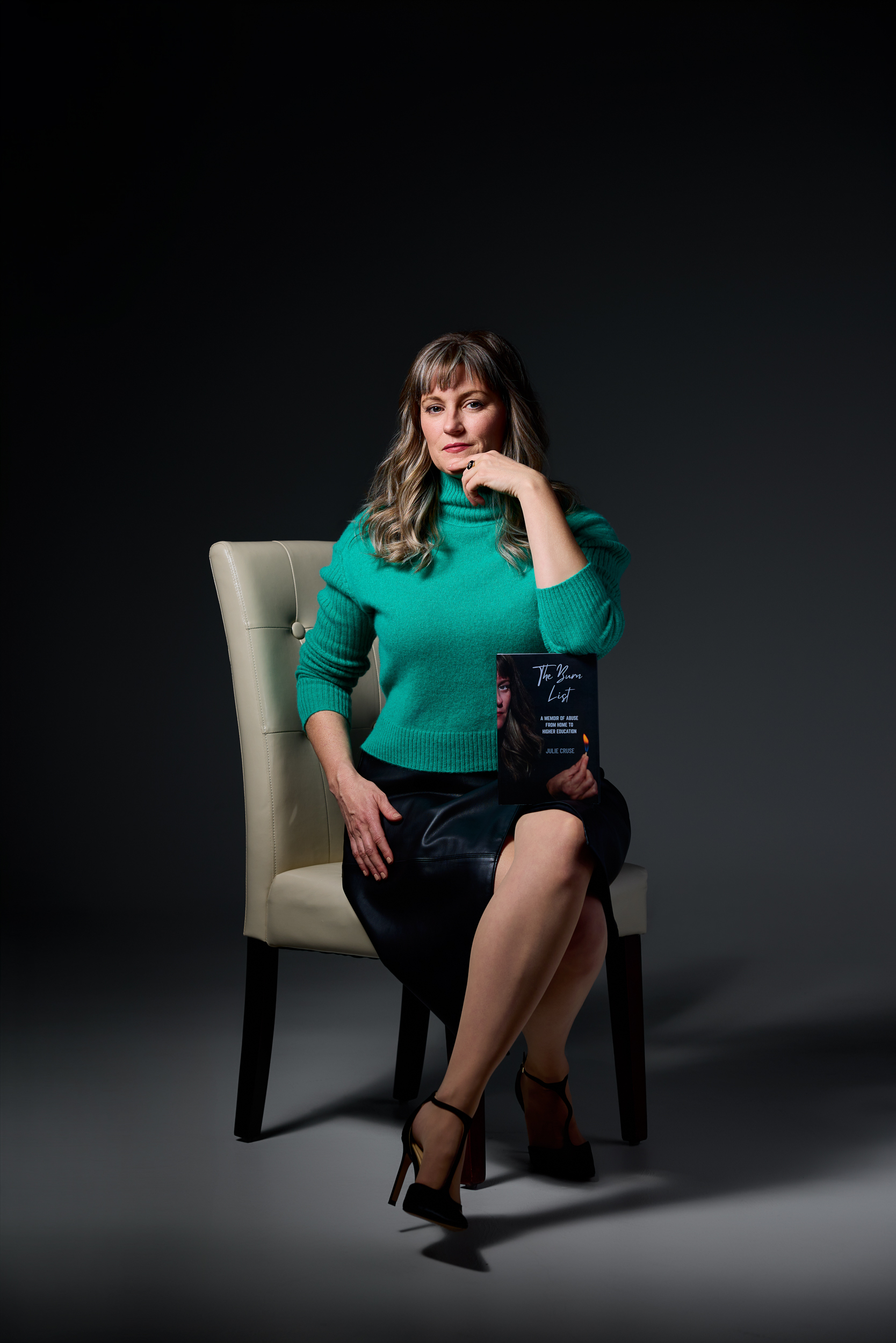
Author
Spanning twenty years of discipline-bending ingenuity, Cruse has produced interactive platforms "in out and thru" learning, sciences, health, games, and arts. Her educational innovations have served four public, four ivy league, and two community colleges. An audience engagement expert, Cruse has consulted for over twenty businesses and such museums as Wexner Center for the Arts, Minneapolis Institute of the Arts, and the Kennedy Center. She has presented her academic and creative work at 30 events, 400 venues, and over a dozen conferences.
Cruse holds master's degrees in Media Arts and Sciences (Arizona State University) and Dance and Technology (The Ohio State University), where she focused on engaging and sustaining learners through gamified, arts-based, holistic, and embodied learning. She also designed and developed immersive systems for yoga, cognition, and creative performance exploring video production, digital audio, motion sensing, and interactive environments.
Distinctions exceed thirty grants and honors for scholarly, artistic, and entrepreneurial excellence, including recognition as Outstanding Alumni in Innovation (Ohio Today, Summer 2009 p19), and "pioneer of computational choreography" in the first ever technology issue by Dance Magazine.
