Zahra Amanpour Explains Iran's Theocracy, Fear, Faith, & Resistance
What’s really happening in Iran beneath the headlines?
In this powerful conversation, Zahra Amanpour breaks down life under a theocratic regime—protests, crackdowns, internet blackouts, women’s restrictions, political prisoners, and the long shadow of the 1988 massacre.
This isn’t just geopolitics. It’s a deeply human story about fear, survival, resilience, and resistance—and why global silence can be just as dangerous as open violence. Zahra also explains what many Iranians are demanding right now: freedom, democracy, a secular future, and the right to determine their own path without foreign interference.
If you’ve ever felt overwhelmed or disconnected by the news cycle, this episode gives context, clarity, and humanity back to the conversation.
Drop your thoughts in the comments: What does “bearing witness” really mean today? #IranProtests #ZahraAmanpour #HumanRights #WomenLifeFreedom #Geopolitics #Unsolicitedperspectives


About the Guest(s)
Zahra Amanpour is an Iranian activist and public voice on resistance and human rights. Born during the Iranian revolution and shaped by loss—including her father’s death during the 1988 massacre—she speaks from lived experience about repression, resilience, and the fight for self-determination.
Bruce Anthony, host of Unsolicited Perspectives, frames the conversation around being “human first,” emphasizing that borders should never determine whose suffering matters.
Key Takeaways
Iran’s reality goes far beyond protest clips—it includes daily repression, fear-based control, and systemic targeting of women.
Resistance is sustained by purpose and community, not the absence of fear.
Protesters consistently demand an end to dictatorship, freedom, democracy, and a secular future.
Outside military intervention risks replacing one form of control with another; self-determination is central.
The false binary of appeasement vs bombing ignores more effective pressure strategies.
Silence and attention fatigue empower authoritarian regimes more than many people realize.
Quotes
Zahra Amanpour: “Fear is one of those emotions you either give into—or fight, and it makes you stronger.”
Zahra Amanpour: “They say, ‘Down with the dictator.’”
Zahra Amanpour: “They want freedom and democracy. They want a secular government.”
Zahra Amanpour: “Don’t let mainstream media interpret Iran for you.”
Bruce Anthony: “Being American is one identity. Being human comes first.”
Bruce Anthony: “We can bear witness so the truth doesn’t disappear in a blackout.”
🔔 Hit that subscribe and notification button for weekly content that bridges the past to the future with passion and perspective. Thumbs up if we’re hitting the right notes! Let’s get the conversation rolling—drop a comment and let’s chat about today’s topics.
🚨 Get access to the Uncensored conversations — raw, unfiltered, and unapologetically bold.
💥 Tap in for exclusive episodes, spicy extras, and behind-the-scenes chaos you won’t find anywhere else:
🔓 Unlock it on YouTube Memberships: https://www.youtube.com/channel/UCL4HuzYPchKvoajwR9MLxSQ/join
💸 Back us on Patreon: patreon.com/unsolicitedperspectives
This isn’t just content. It’s a movement.
Don’t just watch — be part of it.
Thank you for tuning into Unsolicited Perspectives with Bruce Anthony. Let's continue the conversation in the comments and remember, stay engaged, stay informed, and always keep an open mind. See you in the next episode!
#podcast #mentalhealth #relationships #currentevents #popculture #fyp #trending #SocialCommentary
Chapters:
00:00:00 Iran Resistance Explained — Survival, Protest, and Hope 🔥🕊️
00:00:17 Welcome to Unsolicited Perspectives 🎙️✨📢
00:00:45 Meet Zahra Amanpour — Resistance, History, and Stakes 🧭🗣️⚖️
00:01:35 Beyond Headlines — The Human Reality Behind Iran News 📰➡️❤️
00:04:06 Fear, Loss, and the Death of a Father 💔⚰️🔥
00:10:00 From Personal Story to Public Voice and Activism 🎤🧭✨
00:13:50 What Headlines Miss About Daily Life in Iran 📰🚫👁️
00:18:04 Theocracy, Distorted Law, and Social Control ⛓️📜⚖️
00:20:23 The Shocking Reality of Women’s Restrictions 🚺⛓️😳
00:25:22 “Down With the Dictator”: Freedom, Democracy, and a Secular Future ✊🏽📣
00:31:10 The Transition Plan and Fight for Self-Determination 🗳️🧭📜
00:34:39 Billionaires in Uniform: Who Really Profits From the Regime? 💰🪖🐍
00:36:29 Choking the Regime: Sanctions, Isolation, and People Power 💵✂️🧱
00:45:14 When the World Goes Quiet: Silence, Appeasement, and Bombs 🎧🤐💣
00:48:24 The Real Solution: Sanctions, Isolation, and Telling Iran’s Truth 🌐🧩📢
00:50:33 How to Find Raw Sources and Verify Reality Yourself 🔎📲🧠
00:53:23 Carrying the Weight: Faith, Family, and Not Burning Out 🙏🏽👨👩👧👦💪🏽
01:01:48 Don’t Scroll Past This: Bearing Witness So Truth Doesn’t Black Out 📵👁️🗨️🕯️
Follow the Audio Podcast: Apple Podcast: https://podcasts.apple.com/us/podcast/unsolicited-perspectives/id1653664166?mt=2&ls=1
Spotify: https://open.spotify.com/show/32BCYx7YltZYsW9gTe9dtd
www.unsolictedperspectives.com Beat Provided By https://freebeats.io Produced By White Hot
Thank you for tuning in to 'Unsolicited Perspectives.' We hope you enjoyed this episode featuring unique and authentic views on current events, social-political topics, race, class, and gender. Stay engaged with us as we continue to provide insightful commentary and captivating interviews. Join us on this journey of exploration and thought-provoking conversations, and remember, your perspective matters!
[00:00:00] Iran Resistance Explained — Survival, Protest, and Hope 🔥🕊️
[00:00:00] Bruce Anthony: We're talking Iran and resistance with Zara. Ur, we gonna [00:00:05] get into it? Let's get it.
[00:00:10] [00:00:15]
[00:00:17] Welcome to Unsolicited Perspectives 🎙️✨📢
[00:00:17] Bruce Anthony: Welcome, first of all, welcome. [00:00:20] This is Unsolicited Perspectives. I'm your host, Bruce Anthony. Here to lead the conversation in important [00:00:25] events and topics that are shaping today's society. Join the conversation to follow us wherever you get your [00:00:30] audio podcast. Subscribe to our YouTube channel for our video podcast, YouTube exclusive content and our [00:00:35] YouTube membership.
[00:00:36] Bruce Anthony: Rate review, like, comment, share, share with [00:00:40] your friends, share with your family. Hell you can share with your enemies. On today's [00:00:45] episode,
[00:00:45] Meet Zahra Amanpour — Resistance, History, and Stakes 🧭🗣️⚖️
[00:00:45] Bruce Anthony: I'll be interviewing Zara Ur. She's a Iranian [00:00:50] freedom fighter. We're gonna be talking about Iran, the history, and this current [00:00:55] state, but that's enough of the intro.
[00:00:57] Bruce Anthony: Let's get to the show.
[00:01:07] Bruce Anthony: [00:01:00] [00:01:05] Today's conversation is one of those conversations that go [00:01:10] beyond headlines, beyond politics as usual and beyond borders, because [00:01:15] sometimes what's happening in another part of the world isn't just international news. It's a human [00:01:20] story, and human stories concern all of us. You've probably seen [00:01:25] flashes in the news about protests in Iran.
[00:01:27] Bruce Anthony: Mentions of crackdowns, internet [00:01:30] blackouts, arrest, and violence, but most coverage only gives you fragments. [00:01:35] It
[00:01:35] Beyond Headlines — The Human Reality Behind Iran News 📰➡️❤️
[00:01:43] Bruce Anthony: doesn't always give you the lived experience, the history underneath it, or the [00:01:40] voices of the people that's connected to it. Today, my guests are aur. [00:01:45] She was born during the Iranian revolution and raised within the [00:01:50] resistance movement. She's a daughter of a political prisoner who was killed during the [00:01:55] 1988 massacre, and her life has been shaped by firsthand experience with repression, [00:02:00] resistance, loss, faith, and resilience. Today, [00:02:05] she works to bring clarity and truth to what's happening inside Iran, not just as at a [00:02:10] policy level, but at a human level.
[00:02:13] Bruce Anthony: This isn't a geopolitical [00:02:15] conversation. This is a conversation about courage and about what it means when people risk their lives for [00:02:20] freedom and what happens when the world looks away and what happens [00:02:25] when people pay attention. We're going to talk about what daily life under [00:02:30] crackdown really looks like, why protests continue even under deadly risk, and how history [00:02:35] still lives inside families decades later, and what the Iranian people are actually [00:02:40] demanding.
[00:02:41] Bruce Anthony: For their future. Most importantly, we're gonna talk [00:02:45] about why this matters to all of us, not just as Americans, [00:02:50] but as human beings. Here's the interview.
[00:02:53] Bruce Anthony: Like I said at the top, [00:02:55] ladies and gentlemen, I'm here with our arm Andour and we're gonna be talking about something really [00:03:00] important that's going on in another country that we're kind of vaguely [00:03:05] familiar with, but don't really have a lot of details, and she is going to [00:03:10] fill in the blanks so that we become more informed about something that's going on that's very, [00:03:15] very important. So, sorry, I want to just. you for coming on the show [00:03:20] and talking about this subject that's very personal and near and dear to your [00:03:25] heart. And I know this is gonna be a good conversation that everybody can [00:03:30] learn from. So thank you so much for coming on the show.
[00:03:32] Zahra Amanpour: Thank for having me and, and thank you for this [00:03:35] platform. This conversation's not everywhere right now and it should be in more places and I, I [00:03:40] really appreciate.
[00:03:41] Bruce Anthony: Well, this is the place where we have conversations where it's not [00:03:45] everywhere, but it needs to be. Uh, so with that being said, you were born [00:03:50] during the Iranian revolution and raised in actually a resistance camp. [00:03:55]
[00:03:55] Zahra Amanpour: Yeah.
[00:03:55] Bruce Anthony: When you think about your earlier life, what moments or memories shaped how you [00:04:00] see power, fear, and [00:04:05] survival?
[00:04:06] Fear, Loss, and the Death of a Father 💔⚰️🔥
[00:04:06] Zahra Amanpour: Yeah, I mean, it's a, it's a huge question. [00:04:10] But I think. When I think about resistance, which has been with [00:04:15] me my whole life, I was born into it and it stays with me to this day. [00:04:20] I think. Where does the power really come from? Why can such a small group of [00:04:25] people hold so much power over such a richer, [00:04:30] more, more, uh, grand entity like the Iranian government?[00:04:35]
[00:04:35] Zahra Amanpour: And I think. One of the things that always has stood out to me is [00:04:40] the idea that when you're sure about what you're doing and you're steadfast in what you're [00:04:45] doing there comes this element of peace and, and a [00:04:50] actually a lot. And it's, this goes kind of counter to what people think about it. Uh, a lot of [00:04:55] joy.
[00:04:55] Zahra Amanpour: In, in the moments, in the day-to-day in the [00:05:00] connection with your people in the connection with your bigger uh, [00:05:05] uh, uh, hope and vision for what you're going after. And I think [00:05:10] being able to create that connection and being able to create that [00:05:15] power through uh, clarity [00:05:20] and through. Joy with one another and joy in, in the [00:05:25] idea of hope, I think gives you power and gives you power over a much [00:05:30] greater.
[00:05:30] Zahra Amanpour: Strong, what on the surface might seem to be a much greater, stronger force [00:05:35] than what you are. And I think this has been true to all resistance movements, is how do you, how do you [00:05:40] hold your power despite everything working against you? And I think that's something, [00:05:45] that really comes in actually. The exact opposite of what people think of when they [00:05:50] think of resistance movement.
[00:05:51] Zahra Amanpour: They may think of sadness, they may think of isolation, they may think of all of these [00:05:55] other things, but in fact, there's such solidarity and joy there that you, you, you [00:06:00] come together.
[00:06:02] Fear, Courage, and the True Source of Strength 😨➡️💪🏽✨
[00:06:02] Zahra Amanpour: When you talk about fear, of [00:06:05] course fear is part of resistance, right? There's always the [00:06:10] fear of. Frankly, in my life, the fear of death was very real to [00:06:15] us.
[00:06:15] Zahra Amanpour: The fear of failure and, and sort of if we were taken out and, [00:06:20] and sort of these things were very real on a day-to-day basis for the people I was closest to and, and the people [00:06:25] around me and the fear of losing those who are closest to you. I, I, I [00:06:30] lost my father when I was eight years old to, to this re to this movement.
[00:06:34] Zahra Amanpour: [00:06:35] So those things are very real, but at the same time, that is [00:06:40] what. There's certain emotions that make us better and make us [00:06:45] stronger and make us the opposite. And again, it kind of works to the counter to what people [00:06:50] think. Fear is one of those emotions that you can either give into [00:06:55] and not have power with or you fight against and it makes you [00:07:00] more powerful and it makes you all the more resilient in what you're doing.
[00:07:04] Zahra Amanpour: And [00:07:05] I think. When you say that, you know, there's the, the phrase fearless. I [00:07:10] think that's where it comes from, is that when you're fearless, when you get to that point where you're fearless, [00:07:15] your, your ability to do amazing things and resist becomes all that more [00:07:20] powerful, and that's how you survive. I think that's, that's how you [00:07:25] survive.
[00:07:25] Zahra Amanpour: You survive by tapping into those best parts of [00:07:30] yourself and the best parts of the people around you. And, and [00:07:35] keeping that hope always regardless of how hard it got in my life [00:07:40] and how real these things like death and [00:07:45] violence and persecution came close to, uh, my family, uh, and the [00:07:50] people around me, regardless of that, we were able to fight back and we were able to survive.
[00:07:54] Zahra Amanpour: [00:07:55] And that in itself gives you power too. So I think all of these [00:08:00] emotions and, and. Parts of life that are, [00:08:05] very difficult, very challenging. At the end of the day, if you're, if you know what you're doing [00:08:10] and you know why you're doing it, and you believe in what you're doing, they give you power.
[00:08:14] Bruce Anthony: That's what [00:08:15] I, I was just getting ready to make that point. It seems like from what. You're describing the [00:08:20] fearlessness comes from the belief and the cause and that [00:08:25] you know that you're right.
[00:08:27] Zahra Amanpour: Yes.
[00:08:28] Bruce Anthony: So you're willing to [00:08:30] risk whatever needs to be risked because know that [00:08:35] you're right and you know that it needs to be done. Was that an when? [00:08:40] [00:08:45] That live in this country don't know what it's like to be in a resistance camp. [00:08:50] And the only thing that they have to really go on is television. And television does [00:08:55] not give real depiction of. What real life is most of the time is [00:09:00] dramatized and things of this nature. So, so, so people are gonna see resistance and you say resistance and [00:09:05] hope.
[00:09:05] Bruce Anthony: And I'm not trivializing that they're gonna think Star Wars, right? They're gonna think, well, they were a [00:09:10] resistance and it didn't seem that bad. But no, what you're doing and what you were [00:09:15] experiencing was real life and death is something [00:09:20] that is possible every day living in this resistance camp.
[00:09:24] Zahra Amanpour: Yeah. [00:09:25] Yeah. I mean we had bomb shelters around our [00:09:30] school. We were trained how to go into them. We were, uh, when you came into the [00:09:35] camps. So, I, I just wanna be clear, I, I, I lived on this camp for a few years, uh, when I [00:09:40] was in middle school age. Mm-hmm. That's, so I, I fled Iran, came to the United [00:09:45] States, went back to the Middle East, so I had seen the United States at this point had seen a very [00:09:50] different sort of reality and, and all of that.
[00:09:52] Zahra Amanpour: And then went back and lived on this resistance [00:09:55] camp for a few years. Continued through school with them until I was in high [00:10:00] school.
[00:10:00] From Personal Story to Public Voice and Activism 🎤🧭✨
[00:10:00] Zahra Amanpour: So always in the movement, but in different settings. But when in the, in the camp [00:10:05] itself, yeah, it's a military. Situation. You, you [00:10:10] come in, your car is inspected, they have mirrors that check everything.[00:10:15]
[00:10:15] Zahra Amanpour: You know, the school bus was like that, right? They, they go through [00:10:20] everybody's, you know, they come onto the bus every, there's guard guarded [00:10:25] armed guards ev uh, at the, at the base around you. The school itself [00:10:30] was, as I said, had bomb shelters around it. We were trained how to take shelter [00:10:35] inside and outside of the school.
[00:10:37] Zahra Amanpour: And it was, it was a reality [00:10:40] of life that at any moment we had to be prepared for the worst case [00:10:45] scenario. But first of all, children are resilient. And then for [00:10:50] all the reasons I just described, humans can be very resilient too. [00:10:55] And somehow when things more is at stake, we tend to be at our [00:11:00] best. So even in that, within this resistance camp.
[00:11:04] Zahra Amanpour: Some [00:11:05] of my most fond memories are having meals together having events together, [00:11:10] celebrating together, playing a soccer match with my friends. Normal things were also [00:11:15] happening in this context. People were living, families were were coming together, [00:11:20] families were going through their motions. Life was happening in the midst of [00:11:25] this.
[00:11:25] Zahra Amanpour: Uh, so, you know, it, sometimes people see it as this very, like, [00:11:30] everything's, you know. Active military, this, but when people are actually living in this context, there's [00:11:35] all aspects of life that exist in on a military base. And there's all aspects of life [00:11:40] that exist in resistance, relationships, people, connections, [00:11:45] children, all the good and the bad and ugly that comes with all of that.
[00:11:48] Zahra Amanpour: All of that exists when you have a [00:11:50] community like this that comes together even in, in that kind of extreme circumstances. So [00:11:55] there's this, uh, contradiction almost between. What the reality is and [00:12:00] how that plays out actually on a day-to-day basis. You know, I went to school, I was a kid, I played, I [00:12:05] had friends.
[00:12:06] Zahra Amanpour: All of those things were there. And at the same time, we were very [00:12:10] cognizant of the fact that something could happen. And most of us had [00:12:15] lost someone very close to the struggle. Mm-hmm. And we [00:12:20] had that brought us closer together. We understood each other. We understood that sadness, we [00:12:25] understood that power.
[00:12:27] Zahra Amanpour: And we took pride in [00:12:30] being part of something bigger in a community like that together. So it had all these [00:12:35] different components and pieces to it, including being a military base [00:12:40] and, and being what that is.
[00:12:42] Bruce Anthony: So you're growing up in this, I, I didn't know that [00:12:45] you were, you fled, here in the States, then went back. That's an [00:12:50] experience. I wanna touch on that later. Okay. I wanna touch on that later, but I wanna get into [00:12:55] more of when you start to realize that [00:13:00] is no longer just your personal history and stop being that it was something that you were [00:13:05] now living. And when that transition to [00:13:10] you're living it, but now I'm going to actively speak about it.
[00:13:14] Zahra Amanpour: Yeah. [00:13:15] So this has been kind of a evolution for me. Mm-hmm. First of all, I, [00:13:20] I was born into it, right? So in many ways it wasn't kind [00:13:25] of a. As a child, it wasn't a choice to step into it. I was, [00:13:30] I was, I was on stages. I was speaking to, to, to people from the time I was very young about this. [00:13:35] I've always been a public speaker of sorts, so I was put in that [00:13:40] position, you know, if they wanted to hear a child's perspective, right?
[00:13:42] Zahra Amanpour: I've always spoken on behalf of the resistance, [00:13:45] so in that way I've always been in it, and of course we were completely immersed [00:13:50] in it as a family,
[00:13:50] What Headlines Miss About Daily Life in Iran 📰🚫👁️
[00:13:50] Zahra Amanpour: so everyone I knew and loved. The people I was [00:13:55] with at least most days were also in that world, so it wasn't much of a [00:14:00] choice as a child, it was a reality and one that unlike [00:14:05] what most people think, I wasn't in any shape or form a victim.
[00:14:07] Zahra Amanpour: I was very proud. Of [00:14:10] what I was doing, I was very proud of, of belonging to something so important [00:14:15] and being part of the future of my people, and trying to [00:14:20] move that in a, in a, in a good direction. When it became more of a [00:14:25] dilemma for me and more of a actual choice that I had to make was when I actually [00:14:30] started, when I was like te a teenager college and I was [00:14:35] trying to make a life.
[00:14:37] Zahra Amanpour: In the United States. I was trying to establish myself [00:14:40] as a, as first in school, then as a career person. [00:14:45] And it forced me at, at least at the very beginning to [00:14:50] compartmentalize these things in my life and say, okay, I have this part of, huge part of who I [00:14:55] am that I'm not gonna talk about on a daily basis because it's too heavy to talk to people.[00:15:00]
[00:15:00] Zahra Amanpour: Like, it's like not the first thing you say to somebody, you know, over a cup of coffee, right? Mm-hmm. [00:15:05] So it, it wasn't something that I could just casually sort of share about [00:15:10] myself. It, it, it would have, it had all kinds of directions that could go in if people knew this about me. [00:15:15] And as a young person, that was difficult to navigate and difficult to know what the right way of.[00:15:20]
[00:15:20] Zahra Amanpour: Of doing it. And on, on the flip side of that, I was still a very public facing [00:15:25] person within the movement. So I was like, on my nights and weekends and when I, there was a [00:15:30] protest, I was very, you know, public and outward facing. So there was stuff available [00:15:35] about me online and all of that. But in my work life and my daily life, I didn't bring it up.
[00:15:39] Zahra Amanpour: I didn't talk [00:15:40] about it. It wasn't part of it. I got [00:15:45] older, I started to more of life just as in general, started to become less compartmentalized. You know, [00:15:50] you become your more full person as you get older. Right. And I think at some point, [00:15:55] just like a mother, when I became a mother at some point I said, you know what, I'm not gonna stop.
[00:15:59] Zahra Amanpour: I'm gonna [00:16:00] stop pretending I don't have a personal life. I have a personal life. I've got kids, right? Mm-hmm. And I became more [00:16:05] comfortable with this idea of like. We all have different sides to us, and [00:16:10] anybody who actually wants to know me has to know this part of me too. Mm-hmm. And [00:16:15] how do I talk about it?
[00:16:16] Zahra Amanpour: How do I become more comfortable about it? How do I post a podcast on my [00:16:20] LinkedIn page? You know, like, how do I do these things? And I've just, now, now my world has become. [00:16:25] More full, more whole. And I think the people that are closest to me know me [00:16:30] move more fully because they don't know just one side of me.
[00:16:32] Zahra Amanpour: They know my more full self. So it's been a [00:16:35] evolution that's had stages, but how I let it in and didn't [00:16:40] let it in has changed over time.
[00:16:50] Bruce Anthony: [00:16:45] [00:16:50] Okay. All right, so let's get to what's going [00:16:55] on over in Iran. When people see headlines about [00:17:00] protests and crackdowns in Iran, what do they usually miss about what daily [00:17:05] life actually feels like for people on the ground?
[00:17:08] Zahra Amanpour: Yeah, I [00:17:10] think people in the West are used to not always, and there's [00:17:15] different, there's always exceptions to this in every society, but. There's [00:17:20] some rule of law and there's some norms that we [00:17:25] can exist in, even if those norms are not. [00:17:30] Equally distributed to all. Mm-hmm. There are certain things that we can count on or [00:17:35] whatever our place is, we can find it and we can navigate it to some extent.
[00:17:39] Zahra Amanpour: [00:17:40] Right, right. And I think that's called the rule of law. And you know, and it's upheld to [00:17:45] some extent to a greater, much greater extent in a [00:17:50] democracy in most Western countries, et cetera. In [00:17:55] Iran, that is not the case. It is a theocracy. [00:18:00] So first you have to understand that the law is dictated by
[00:18:04] Theocracy, Distorted Law, and Social Control ⛓️📜⚖️
[00:18:04] Zahra Amanpour: [00:18:05] distorted, interpretation of the religion.
[00:18:09] Zahra Amanpour: I am Muslim, [00:18:10] just so everybody knows. I very much identify as a Muslim, but that is a distorted [00:18:15] version of the religion. It is not what I believe to be the faith [00:18:20] that dictates sort of the overarching [00:18:25] ideology that runs the country. So that's this sort of. Thing above it, right? The [00:18:30] day to day then means that it gives power [00:18:35] to those who are willing to act on its behalf, [00:18:40] right?
[00:18:40] Zahra Amanpour: Mm-hmm. In the moment. So whether that's an authority or not. [00:18:45] And so, for example, in the family life, uh, women's rights have [00:18:50] been stripped from them. Considerably. They can, can, they can't wear what they want. They have to [00:18:55] wear full hijab. They can't go where they want. They have to get permission from their [00:19:00] husband if their husband's not available from their son to do certain things.
[00:19:03] Zahra Amanpour: Uh, yeah. Right.[00:19:05]
[00:19:05] Bruce Anthony: Hold on. I'm sorry. I don't mean to cut you off. just blew my [00:19:10] mind. Now, I knew that patriarchy was [00:19:15] a huge thing in Iran, right? Mm-hmm. But I thought it [00:19:20] would stop at the husband, father, but the mother having to ask the. [00:19:25] As a black man in this country that has never been the case [00:19:30] where my mom had to come to me.
[00:19:32] Bruce Anthony: Well now because I'm grown, but I'm talking about as a kid come to me [00:19:35] to go do something that she wanted do. That to me is absolutely crazy.[00:19:40]
[00:19:40] Zahra Amanpour: And their ideology. They don't believe women are capable of making certain decisions, and so [00:19:45] the therefore they don't have the right to make those decisions. So that. [00:19:50] So you can imagine how that plays out. And Iranian women, unlike what the stereotypes [00:19:55] will tell you, are actually very active, strong people in society.[00:20:00]
[00:20:00] Zahra Amanpour: They have more STEM degrees than any other by, by uh, [00:20:05] population than any other country in the world. Like these are. Educated, outgoing, [00:20:10] proactive, like engaged in society, people that this has happened to them. So you can imagine [00:20:15] how this has made family life, the amount of, uh, just struggle and, [00:20:20] and uh, just
[00:20:23] The Shocking Reality of Women’s Restrictions 🚺⛓️😳
[00:20:23] Zahra Amanpour: frustration that [00:20:25] women feel on a daily basis and the men around them who are watching this happen and having to, you know, if you care about [00:20:30] your mother, you don't want her to have to live like this, right?
[00:20:32] Zahra Amanpour: Mm-hmm. So that's family life. Then you step [00:20:35] outside of the home and. You can't, as I said, as a woman, dress the way you want. [00:20:40] If a guard for whatever reason feels that you're doing something that they [00:20:45] don't like, they have full authority to come at you in any way. They shape or [00:20:50] form. People are taken off the streets for their political beliefs for, for what they [00:20:55] say, for how they may act, for if a woman's too much of her hair shows you [00:21:00] just disappear, you're gone.
[00:21:02] Zahra Amanpour: And that happens to people all the [00:21:05] time. And on top of that, now what has happened over the last 45 [00:21:10] years is economically, the government has completely mismanaged the [00:21:15] country where our currency collapsed a few weeks ago, which is was the main catalyst for the recent [00:21:20] uprisings. And economically, people are, can't feed their families.
[00:21:24] Zahra Amanpour: You know, they [00:21:25] don't look at the pictures of Tehran, the most wealthy part of the country, as the [00:21:30] representation of what's happening around the country. The vast majority of Iranians are really [00:21:35] struggling. Now, now it's harder. I mean, we talk about [00:21:40] affordability in this country right now. It's in a different realm altogether, how bad it's gotten there.
[00:21:44] Zahra Amanpour: People can't [00:21:45] afford to feed their families. Drug addiction has taken over the country, [00:21:50] opiate with opiates. And so you layer that with. [00:21:55] The way that sort of the ideology and the theocracy is governing the [00:22:00] country and it has created this untenable situation for people where they, [00:22:05] they're, they just have lost any hope of any goodness coming from where the [00:22:10] government in Iran and their daily life and the opportunity that they can pursue, there's just no hope in [00:22:15] it.
[00:22:15] Zahra Amanpour: They've lost that and that is what's pushed us to the moment that we're in now.
[00:22:19] Bruce Anthony: I'm gonna get to the [00:22:20] protest, but something that you said I, I want to go back to you said. [00:22:25] Especially with the restrictions on women [00:22:30] just existing. This is a new thing. This isn't something that [00:22:35] has always been the case. This, these are new restrictions [00:22:40] over, let's say the last 20 years or something like that.
[00:22:43] Zahra Amanpour: No, these restrictions came [00:22:45] into play right after 1979. Okay. The, the, [00:22:50] uh, regime put in the Sharia law. Which is that the sort of [00:22:55] religious philosophy that, uh, drives the laws and, and sort of order, supposed order in [00:23:00] the country. So it was immediately within months of the revolution [00:23:05] and when they took power that they started to enforce these types of laws and put them into law [00:23:10] and into laws.
[00:23:11] Zahra Amanpour: So they, so the people of Iran have been living under these conditions for [00:23:15] 45 years. And women have been [00:23:20] the target. Of this oppression, the main target of the suppression, the idea behind [00:23:25] Islamic fundamentalism, which is what governs I Iran, is if you can hold [00:23:30] half the population down with laws, and then the other half of the population is [00:23:35] worried about those laws, following those laws, enforcing those laws.
[00:23:38] Zahra Amanpour: So nobody gets in [00:23:40] trouble. The the country is. Almost self-governed in that [00:23:45] way. And, and it makes the kind of oppression that we see in Iran possible. And this is what [00:23:50] has happened in all kinds of Theo and throughout history and in Iran, Islamic [00:23:55] fundamentalism has played out that way. So this has been a reality for decades now, [00:24:00] my entire life.
[00:24:00] Zahra Amanpour: Yeah.
[00:24:01] Bruce Anthony: Yeah, you made it a point of [00:24:05] saying the economy has basically collapsed and that's what's led to these [00:24:10] recent protests that we've been seeing. I'm gonna get into some of the gore details of the protest. 'cause I was [00:24:15] reading some stuff and I was like, there's no way that that is happening. That's gotta be [00:24:20] absolutely crazy. But these protests continue. Even when [00:24:25] people know the risks can be deadly and some of the deadliest stuff that's been happening. [00:24:30] Ladies and gentlemen, I'm just gonna give you one example. There's been reports that [00:24:35] the government has fire to certain areas [00:24:40] and when people run away to get out of being burned alive, [00:24:45] they are shooting them down in the streets and not letting them escape.
[00:24:48] Zahra Amanpour: Yes,
[00:24:49] Bruce Anthony: [00:24:50] So under these. Under these crazy tactics that the [00:24:55] government is using, protests are still out there.
[00:24:57] Zahra Amanpour: yes.
[00:24:58] Bruce Anthony: And it's clear that the risks are [00:25:00] daily deadly. What does this tell you about where the Iranian people are mentally and [00:25:05] emotionally right now during this, during these protests?
[00:25:08] Zahra Amanpour: They're done. They're fed up. [00:25:10] They're, you know, for revolution to happen, it has to hit a tipping point. [00:25:15] And it's, it's a, it's a swing back and forth for some time. [00:25:20] And this has been happening too
[00:25:22] “Down With the Dictator”: Freedom, Democracy, and a Secular Future ✊🏽📣
[00:25:22] Zahra Amanpour: for, you know, decades. These tactics are not [00:25:25] new. Uh, in 1988, uh, the Iranian regime executed 30,000 people because [00:25:30] there was up, up uprising and, and, and sort of descent in society.
[00:25:34] Zahra Amanpour: These are [00:25:35] not new. Tactics. However the scale of what just [00:25:40] happened in terms of the uprising and the scale of what the regime did in response to that, [00:25:45] across every city in Iran, that is much, [00:25:50] it, it, it shows that this is escalating and it's getting to that tipping point. But yes, [00:25:55] that reality that you just described is very true.
[00:25:57] Zahra Amanpour: They are also [00:26:00] breaking into hospitals arresting. Doctors who are, are [00:26:05] treating anybody who's been shot or, or injured in the streets. They are [00:26:10] opening fire on children, walking in the streets. [00:26:15] They are, you know, there are reports we, you know, the countries in a blackout right now, and [00:26:20] not everybody realizes that there's an internet blackout in Iran, that the government has shut down the internet.[00:26:25]
[00:26:25] Zahra Amanpour: You cannot. Unless you have starlink or some form of, of satellite [00:26:30] technology that can get stuff around that, which is harder, very hard to do [00:26:35] and very risky. Anyone who has that is going to prison. [00:26:40] You, the footage has not been able to come out for the last weeks, but the stuff that has been coming out [00:26:45] is showing bodies, uh, stacked on top of each other, [00:26:50] uh, children.
[00:26:52] Zahra Amanpour: Innocent bystanders, protestors. These are people, [00:26:55] these are not soldiers. These are people that are being massacred [00:27:00] right now. And 50,000 people that have been [00:27:05] confirmed. We believe the number much greater than this, 50,000 people have been confirmed to be, have been taken as political [00:27:10] prisoners into the prisons of Iran.
[00:27:13] Zahra Amanpour: Iran's prisons, [00:27:15] political prisons are horrendous. The torture and executions that happened there. [00:27:20] And then Iran on top of the regime, on top of that, does public execution. So [00:27:25] what we are expecting as the next wave of this is that people will [00:27:30] be publicly executed. They, they literally hang teenagers from cranes in the [00:27:35] public and execute them in front of people to teach people a lesson not to come out.
[00:27:38] Zahra Amanpour: So [00:27:40] again, these tactics are not new. It's the scale of them and the [00:27:45] intensity of uh, uh, and the defiance in the people. [00:27:50] That is hitting that new point that we, makes us hopeful that this [00:27:55] regime is on it in its last days. And so that's what's this, this time is different, [00:28:00] but the, the dynamics are not new.
[00:28:02] Zahra Amanpour: And anyone who came to the streets on [00:28:05] December 28th knew what they were up against. They have been living under this regime. This is not, this [00:28:10] was a choice and this was a, a very courageous choice. By the people of [00:28:15] Iran to do what they're doing. They knew exactly what they're up against and they knew what is happening now, what happened, [00:28:20] and they still did it.
[00:28:21] Zahra Amanpour: And that just shows you where they are and where their heads are now.
[00:28:24] Bruce Anthony: [00:28:25] Wow. The people that are out there risking their lives [00:28:30] protesting, exactly are they demanding right [00:28:35] now? And, and what do you imagine the future taking shape [00:28:40] in the midst of this level of repression and global pressure? Because Iran, [00:28:45] as a country has a lot of global pressure. Yes. We are not seeing. [00:28:50] atrocities that's happening, but the news is still reporting. [00:28:55] This is what they're doing.
[00:28:56] Zahra Amanpour: Yeah.
[00:28:56] Bruce Anthony: So, and I know from history [00:29:00] that every that goes to certain [00:29:05] extremes to hold onto power, that's when they're really truly losing their [00:29:10] grip. Exactly. So what is, what does the future hold? What do you imagine the future holds?[00:29:15]
[00:29:16] Zahra Amanpour: Well, I am, I have a clear vision and hope for [00:29:20] the future of Iran and, and many Iranians do what the people are demanding, [00:29:25] which is, you know. Hopefully with 92 million people, everybody's not saying they [00:29:30] thinking they want the exact same thing, but the only thing that is consistently [00:29:35] being said is that they want the regime down.
[00:29:38] Zahra Amanpour: They say down with the dictator. [00:29:40] Okay. Okay. So down with the dictator is the number one chant in the streets. Right? [00:29:45] So they want the, this regime gone. That's what they want. [00:29:50] That is the, the, uh, message that everyone is connecting [00:29:55] to. What they want is also freedom [00:30:00] and democracy. That is what they're trying to move towards.
[00:30:02] Zahra Amanpour: And what a lot of people, the history of [00:30:05] Iran, this is not its first, uh. Uh, [00:30:10] dictatorship. Prior to this in 1979, there was a revolution. They kicked out the Shah, [00:30:15] they kicked out the prior monarchy, right? Iranians, unfortunately have been under many [00:30:20] dictatorships. And the last one was where the west was [00:30:25] very.
[00:30:25] Zahra Amanpour: Was meddling in Iran and was uh, very, was [00:30:30] basically taking the resources of Iran from its people and, and [00:30:35] economically benefiting from Iran's resources and that, uh, so the people [00:30:40] felt that their government was selling them out and was basically a puppet to the west. And they kicked out [00:30:45] that government in 1979.
[00:30:47] Zahra Amanpour: Then came this dictatorship, which. Even [00:30:50] more brutal, even more violent, even more oppressive. But they have been living [00:30:55] under this for many, many decades. What they want is to [00:31:00] be free from that. They want to be free from dictatorship. They want freedom and democracy. They want a [00:31:05] secular government. They do not want any church and state mixed together.[00:31:10]
[00:31:10] Zahra Amanpour: They
[00:31:10] The Transition Plan and Fight for Self-Determination 🗳️🧭📜
[00:31:10] Zahra Amanpour: want that separated. And they have a plan to get there. They, and they have a, a, [00:31:15] a organized resistance movement that wants to help them get there. [00:31:20] But all of these things have to come together at the right time in the right place for it to [00:31:25] finally hit that tipping point and for it to move. So the National Council of Resistance [00:31:30] of Iran, which is, uh, the resistance movement that my family is [00:31:35] closest to is a group of 490 different religious groups [00:31:40] and ethnicities and races within Iran that are represented.[00:31:45]
[00:31:45] Zahra Amanpour: And they have a transition plan to get the Iranian people from this [00:31:50] dictatorship to a free election, and that's a six month transition plan. Once [00:31:55] they get there, then the people get to decide what they want. They get to draft their own [00:32:00] constitution, they get to draft their own laws, they get to decide what they want, and they [00:32:05] wanna get there without the Am American or any other military [00:32:10] interfering in that, you know, if the, if the US interferes.
[00:32:14] Zahra Amanpour: There is [00:32:15] an expectation of reciprocity there, whether we acknowledge it or not, we are [00:32:20] not going to go in there and spend that much money doing that and that much military power and [00:32:25] not expect that we don't get something in return for that. And that is not what Iranian [00:32:30] people want. They want self-determination.
[00:32:31] Zahra Amanpour: They want to be able to decide their own future, their own fate, [00:32:35] and, and, and all they want from the rest of the world is support and [00:32:40] witnessing that and, and isolating the regime economically from the rest of the world.
[00:32:44] Bruce Anthony: [00:32:45] That was gonna be my next question because you had the regime, but there are [00:32:50] people who are not technically in the regime who have benefited financially. [00:32:55] Yes. From. The regime, how do you deal with those people that are [00:33:00] going to see, because thing I know about human nature, [00:33:05] people will do anything to hold on to their wealth.
[00:33:09] Zahra Amanpour: Yeah.
[00:33:09] Bruce Anthony: It's [00:33:10] been that way since the beginning of the time. What is the, the what happens to those people? [00:33:15] Yeah. 'cause those people I don't think are going to give up
[00:33:19] Zahra Amanpour: And they're [00:33:20] not. And we see that in the media, mainstream media right now, they've lifted the [00:33:25] former, uh. Uh, Shaw, the former, uh, monarchy son [00:33:30] as the only viable option for the people of Iran because they believe if they put [00:33:35] him back in power, he will be their puppet. Yes. Uh, you heard?
[00:33:39] Zahra Amanpour: So the person [00:33:40] that was overthrown in 1979, want to put his son
[00:33:44] Zahra Amanpour: [00:33:45] Yeah.
[00:33:45] Zahra Amanpour: back in office. Okay. Alright.
[00:33:48] Zahra Amanpour: And his son has [00:33:50] done nothing. Nothing. He lives in a DC area. He has [00:33:55] done nothing for the Iranian people for 45 years. He has not held a job [00:34:00] because he took, stole so much money from the country that he has not had to have a job for [00:34:05] 45 years. So these, this is who they say were is the [00:34:10] only viable option for the Iranian people, not the 92 million people in [00:34:15] Iran.
[00:34:15] Zahra Amanpour: Who are, who are educated, who have dreams, hopes, and [00:34:20] the ability to, to build their own government and their own democracy, but rather [00:34:25] this guy. Somehow has the ability to run this country with no experience, [00:34:30] no credibility, and has been Ted from the country 45 years ago. So this is [00:34:35] who, if you listen and read in the West right now, and it's very deliberate.
[00:34:39] Billionaires in Uniform: Who Really Profits From the Regime? 💰🪖🐍
[00:34:39] Zahra Amanpour: Those people that you [00:34:40] just described that have benefited off of Iran being the money [00:34:45] that comes out of Iran, whether it was during the Shaw's time, those same people built relationships with the [00:34:50] regime. When you have a corrupt government like this, these kinds of things are more prevalent. [00:34:55] Right. So those same people, those people who economically benefited from what, uh, [00:35:00] Iran is rich in oil, it's rich in minerals, it's rich in all types of natural [00:35:05] resources have benefited from deals with Iran are the ones now that are [00:35:10] saying, okay, well if the regime's gonna fall, let's make sure the next one that comes in we can control too.
[00:35:14] Zahra Amanpour: Right? Right. [00:35:15] So there's. So this is the line that connects all of these dots, [00:35:20] right? Is the economic sort of power that has yield been yielded from Iran [00:35:25] by so many different parties. And on top of that, Iran has been very deliberate [00:35:30] about this too. Inside of it, the country, the people who are part of the [00:35:35] IRGC, which is their guard, their revolutionary guard.
[00:35:37] Zahra Amanpour: Supposedly the people who are supposed to protect this [00:35:40] country, they're all billionaires. They have children that they send abroad to go to school [00:35:45] who drive around in Lamborghinis. Just showing their money off. Right. [00:35:50] Why would someone who's in the military have that much money? Where is that coming from?
[00:35:54] Zahra Amanpour: [00:35:55] Okay. There's a lot of documentation about how much money these people have made and how the [00:36:00] military has benefited off of sort of these economic deals. The, so [00:36:05] this has been what's held the regime up. This is also what is driving [00:36:10] what. What is being shown as the West as the only option as the next chapter for the [00:36:15] Iranian people.
[00:36:15] Zahra Amanpour: The fact that the Iranian people have the right to their own freedom, their own [00:36:20] democracy and their own sort of say is not what's being lifted. Rather, we need another [00:36:25] puppet to control the country in order for to, you know, stay under control.
[00:36:29] Choking the Regime: Sanctions, Isolation, and People Power 💵✂️🧱
[00:36:29] Zahra Amanpour: So what has [00:36:30] worked very effectively though, that we want the people to understand is [00:36:35] when I say economic isolation is one way that we can sort of, [00:36:40] be part of this is targeted sanctions against the Iranian government, [00:36:45] so people who do business with the Iranian government are penalized, [00:36:50] right? Mm-hmm. Those types of things work. Okay. When you, when you [00:36:55] strangle the government from a economic perspective, it doesn't have, it makes it weak. [00:37:00] It doesn't have the means to do what it's doing to its people.
[00:37:02] Zahra Amanpour: It doesn't have the means to do what it's been doing around the [00:37:05] whole, like it's been meddling in the Middle Eastern affairs for the last 50 years too. It, it, [00:37:10] it, you have to strangle it economically and then that makes it weaker. And then the people [00:37:15] themselves will have the power then to overthrow the government as long as it's.
[00:37:18] Zahra Amanpour: Got plenty of military might and [00:37:20] money and all of this, it's harder and harder to overthrow it. So that's how you come at it. You have to get it right to the [00:37:25] source, which is cut off its money and cut, cut off its clout. In, in the world.[00:37:30]
[00:37:31] Bruce Anthony: You brought up a lot of interesting points. And I [00:37:35] know here both live in the United States that are [00:37:40] certain actions that the US government does abroad, internationally [00:37:45] reflects back on us as American people. Right. [00:37:50] And then we don't look, we don't get looked on favorably because of what the government is doing and we [00:37:55] get lumped in together. Yeah, right. are bad because the American government is bad. [00:38:00] Some things the Iranian gover, Iran government [00:38:05] has done hasn't been that great.
[00:38:09] Zahra Amanpour: Yeah.[00:38:10]
[00:38:10] Bruce Anthony: How do the people take power [00:38:15] and not get blamed for the previous [00:38:20] administration or the previous regime? Because the [00:38:25] idea that the people take over. I'm going to [00:38:30] assume the military wouldn't be as strong, which would leave the country [00:38:35] susceptible for the enemies to come in and attack.
[00:38:38] Zahra Amanpour: Yeah. [00:38:40] Yes. Uh, that's what happened in 1979. You, a lot of people say, well, you, you already had this revolution and then [00:38:45] you brought this new power to, to be, so this is must be what the Iranian people want. [00:38:50] No. What happened was during the 1979 revolution was that all of the good [00:38:55] progressive forward thinking leadership was either imprisoned at the time or [00:39:00] killed.
[00:39:00] Zahra Amanpour: There was max executions by the Shaw at that time. Okay. Which [00:39:05] created a power vacuum that allowed for the current regime to come to power. [00:39:10] And, and this is why we are where we are today. So does that, is, can [00:39:15] that happen again if there's interference? Yes. That's why [00:39:20] we're saying no interference. Let the people drive this, right.
[00:39:24] Zahra Amanpour: Let them [00:39:25] get it to that place where it needs to go. Because any kind of external interference lends [00:39:30] itself to exploitation of that kind that would allow for another [00:39:35] regime of sorts to rise in Iran. The people of [00:39:40] Iran are very much more, I think Americans only [00:39:45] today are much more realizing like, oh, how.
[00:39:48] Zahra Amanpour: I don't wanna be [00:39:50] affiliated with my government or I don't wanna be affiliated with that party, or I don't wanna be affiliated. Right. Because we've become so [00:39:55] polarized in this country. The Iranian people have no, for 45 years, been like, I want [00:40:00] nothing to do with that regime. Mm-hmm. They don't identify with that regime.
[00:40:03] Zahra Amanpour: Their identity is not the [00:40:05] same. In fact, they're much more identified with the Iran American people because they watch American [00:40:10] movies, they listen to American music. They, you know, we are a more connected world. So, and from their [00:40:15] perspective, they have more in common with. The average American than they have [00:40:20] with their governments.
[00:40:21] Zahra Amanpour: And so if we allow that type of, uh, momentum and [00:40:25] understanding to be what drives the next chapter of the country and not [00:40:30] the, these powers that be, that want to sort of step in and interfere, then the people of Iran [00:40:35] will have a democracy. And then their, their, their government will reflect them. You know, we, [00:40:40] we can be mad in this country, but 50% of this country.
[00:40:43] Zahra Amanpour: Did vote for this administration, [00:40:45] 50% of the country voted for the last administration. So whatever side you're on, right, you can be mad, but that's a [00:40:50] democracy. They don't even have that chance yet, you know? And so [00:40:55] that's what they're trying to get.
[00:41:04] Bruce Anthony: [00:41:00] [00:41:05] How this, the protests and the things that are [00:41:10] happening to people reminiscent the 1988 massacre, [00:41:15] and how does history still live inside the families of communities that [00:41:20] dealt with the 1988 massacre decades?
[00:41:23] Zahra Amanpour: Yeah. [00:41:25] You know, one thing that, uh, now that I have children who never met their [00:41:30] grandfather. You start to understand is what is, what is [00:41:35] generational Trump and what does that do to communities and people? And, and, [00:41:40] and you know, what, how do you rise out of that [00:41:45] and, and sort of, uh, change that dynamic.
[00:41:48] Zahra Amanpour: So. [00:41:50] 1988 Massacre.
[00:41:52] Living With the 1988 Massacre: Generational Trauma and Resolve 🕳️🕊️💔
[00:41:52] Zahra Amanpour: As I mentioned, my father was killed in that. [00:41:55] Many, many of my friends and what I call my cousins, uh, family members [00:42:00] were, were killed in that. And. And it was [00:42:05] basically a reaction to the people rising. And there was a shift in the country where there [00:42:10] was a real chance. The regime at that point was starting to weaken.
[00:42:13] Zahra Amanpour: There was a lot of popular sort [00:42:15] of dialogue happening. People were, were rising. There was a lot of just, uh, dissent happening in [00:42:20] the country. And the, the government did what it did. And it basically took everyone who was [00:42:25] in prison at the time, which you have to think. There was 30,000 political prisoners in the prisons [00:42:30] already.
[00:42:30] Zahra Amanpour: So what was happening? How much dissent, how much sort of, uh, [00:42:35] uh, resistance was already happening for that to be the case. But then the regime said, [00:42:40] we're gonna teach you a good lesson and executed all there. There was mass graves, Doug, and [00:42:45] they just buried people. I've never, we never found my father's body.
[00:42:48] Zahra Amanpour: Nobody knows where [00:42:50] their parents are buried. And that's what happened. So. [00:42:55] Again, these are not new tactics, but it all, all the more reason, like when I say [00:43:00] to you our first question today about fearlessness and courage and survival, [00:43:05] right? We are the survivors of that massacre. We are the survivors of [00:43:10] those realities in Iran, and that is all the more reason why we, we [00:43:15] are.
[00:43:15] Zahra Amanpour: That much more sure about what, what the future has to be. It [00:43:20] has given us power, it has given us the courage it has given the Iranian people who are right now [00:43:25] standing on those streets, who are facing off with these guards. The courage to do what they're doing. [00:43:30] Because once you realize that, whether it's because I came outside and, and a [00:43:35] guard was in a bad mood that day, or because they're gonna execute 30,000 people in one summer, [00:43:40] that you have no say.
[00:43:42] Zahra Amanpour: Over your life and your existence and [00:43:45] your freedom, you, you realize you've got nothing to lose and the only [00:43:50] way forward is to rise. And that is what the Iranian people are having. So, [00:43:55] it's, it's all interconnected because we're all, we, [00:44:00] we haven't been able to stop. Resisting. We haven't had that luxury to [00:44:05] stop resisting.
[00:44:06] Zahra Amanpour: It has had its moments, ups and down moments and all of that, but [00:44:10] it has always been there. It has been consistent in all of our lives, and those of us who remember that [00:44:15] and lived through that are not gonna stop. And, and that, that, that really. [00:44:20] Includes all, all of the Iranian people, the majority of the Iranian people have had trauma and [00:44:25] and experienced some sort of horrible reality because of this regime, and [00:44:30] that's why we're united on what we're doing today.
[00:44:33] Bruce Anthony: I feel like this conversation is, [00:44:35] is really important because we live in a world now where [00:44:40] something will happen and then the next day [00:44:45] something else catastrophic will happen and it gets left behind.
[00:44:48] Zahra Amanpour: Yeah, [00:44:50]
[00:44:50] Bruce Anthony: the protest. executions that are going on have [00:44:55] fallen back in the news cycle, and we see this all the time in moments of crisis. [00:45:00] There's attention to it, and then it's followed by silence afterwards. [00:45:05]
[00:45:05] Zahra Amanpour: Yeah.
[00:45:05] Bruce Anthony: What has this silence caused Iranians over time [00:45:10] and how does it shape the regime's behavior today?
[00:45:14] When the World Goes Quiet: Silence, Appeasement, and Bombs 🎧🤐💣
[00:45:14] Zahra Amanpour: [00:45:15] It has allowed for appeasement. So the policies in the West have [00:45:20] very much been dictated by that silence or been, uh, emboldened by that silence, [00:45:25] let me put it that way, time and time again. The resistance has, has [00:45:30] had to lobby in the United States forever because that's what you have to do to get people to listen to you, [00:45:35] and has been able to build a bipartisan support.[00:45:40]
[00:45:40] Zahra Amanpour: From all sides of the aisle around the idea that Iranian people want freedom and [00:45:45] democracy and self-determination. Nevertheless, depending on which [00:45:50] administration has been in O office, there's been this tug of war between two [00:45:55] dominating policies. The first being appeasement, which is, [00:46:00] well, let's reason with these people.
[00:46:02] Zahra Amanpour: Let's talk, let's talk to the regime. If we give [00:46:05] them economic incentives, they'll stop. Right? People who. [00:46:10] Execute. Teenagers on cranes in public do not. You can't reason [00:46:15] with them. These are, these are criminals. These are people who shouldn't be in [00:46:20] public, shouldn't be, be allowed to move about freely. These are criminals [00:46:25] and they need to be held, accountable to their actions.
[00:46:29] Zahra Amanpour: The people of [00:46:30] Iran deserve justice. So the fact when the Iranian, when the Amer, when Americans or [00:46:35] Europeans or whoever other parties. Chinese Russians, everybody does it. When they [00:46:40] sit down at the table with the Iranians and, and, and the Iranian regime [00:46:45] and talk to them as if they're rational, reasonable people, they are [00:46:50] basically saying to the Iranian people that they, they don't have the right to justice [00:46:55] and dignity and freedom.
[00:46:56] Zahra Amanpour: And that is what the message has been time and time again. So when [00:47:00] the Iranian people. Have been more silent. The [00:47:05] policymakers and the sort of powers that be have often exploited that [00:47:10] opportunity to go to the table and create economic opportunity, more economic opportunity for themselves [00:47:15] and the rich of this, of, of this world and the people who have exploited Iran more and more.
[00:47:19] Zahra Amanpour: On the flip side of [00:47:20] that, when we've seen a policy of what we're seeing right now, [00:47:25] which is we're gonna go in and bomb Iran, right? Again, [00:47:30] nothing good will come from that. That will only allow for a power [00:47:35] vacuum that will only allow for, uh, somebody like the Shah to [00:47:40] come to power. That will only allow for more, uh, of the sort of [00:47:45] resources and, and uh, opportunities in Iran to.[00:47:50]
[00:47:50] Zahra Amanpour: Stripped from it. There's nothing good that's going to come from military [00:47:55] action in Iran either. And unfortunately that's been the two sides that have been [00:48:00] played from a policy perspective in the West. And when, so whenever the protests are [00:48:05] not on tv, the west sits down at the table. [00:48:10] It says, let's have a conversation.
[00:48:11] Zahra Amanpour: And when they are on the thing, they're like, we're gonna go bomb 'em. And neither of [00:48:15] those, uh, offer a real solution for the Iranian people and get them any [00:48:20] closer to their, to their dream.
[00:48:22] Zahra Amanpour: What is the solution?
[00:48:24] The Real Solution: Sanctions, Isolation, and Telling Iran’s Truth 🌐🧩📢
[00:48:24] Zahra Amanpour: The solution [00:48:25] is to there, there's a number of things. One is targeted sanctions from a policy [00:48:30] perspective. Tar targeted sanctions where they economically cut the [00:48:35] regime off right so that it can't fill its coffers more with money [00:48:40] and lit gold. We've handed over gold. Of gold to the Iranian [00:48:45] regime.
[00:48:45] Zahra Amanpour: Like there's footage of this, it's crazy. So economic sanctions [00:48:50] that don't hurt the Iranian people, but rather hurt the sources of, of [00:48:55] wealth and, and power for the Iranian regime. Ha It's very effective. Also [00:49:00] political isolation. Stop treating the Iranian regime like it represents the [00:49:05] Iranian people.
[00:49:05] Zahra Amanpour: It does not. I was in front of the United Nations in, in September. Every [00:49:10] September. I've probably been there. I mean, every year I've been in the United States my entire life. I've been in front [00:49:15] of the United Nations in September because the so-called president of Iran [00:49:20] attends the General Counsel and they allow him to speak as if he represents the [00:49:25] Iranian people.
[00:49:25] Zahra Amanpour: Stop giving them a. Political power and political say they do [00:49:30] not represent the Iranian people. So politically isolating them, economically, isolating [00:49:35] them, and then witnessing the, in terms of people like yourself or people who [00:49:40] just care about this issue, just witness what is happening, stay [00:49:45] engaged, you know, if, if the world is watching.
[00:49:48] Zahra Amanpour: All of these people that are [00:49:50] involved in this are more, have to be at least a little bit more accountable to what they're [00:49:55] doing. If the world is watching and looking for truth, that becomes even more [00:50:00] the case. For example, what I say to people is, don't let mainstream media [00:50:05] interpret. What is happening in Iran for you?
[00:50:07] Zahra Amanpour: They have a script. They are sticking [00:50:10] to that script. Everywhere I go, just do the same talk that I'm having with you today. I [00:50:15] am not allowed to say what I'm saying today. I am censored. I am I [00:50:20] am the, the true, the facts are twisted. It is not allowed to happen that way. So [00:50:25] you have to dig deep. You have to be willing and able to dig a little bit deeper.
[00:50:28] Zahra Amanpour: I say just take what you're [00:50:30] hearing, uh, and I can give you some websites in a minute.
[00:50:33] How to Find Raw Sources and Verify Reality Yourself 🔎📲🧠
[00:50:33] Zahra Amanpour: Go to these places that have raw footage, that [00:50:35] have real stuff coming out of Iran and just stick it into Google Translate and you listen. [00:50:40] Yourself to what the slogans are and what the chance are on the streets. You hear what people are saying [00:50:45] because that's what you, that's what's gonna tell you that what they want is not dictatorship.
[00:50:49] Zahra Amanpour: What they [00:50:50] want is freedom. What they want is, you know, the same things we all want in this world, right? [00:50:55] So, you know, take a little bit more responsibility for what you're hearing [00:51:00] and what the source of that is, uh, and, and sort of dig a little bit deeper. Uh, that's what the sort of more [00:51:05] common folk can do to stay engaged in this conversation.
[00:51:08] Zahra Amanpour: Before I go to the next question, [00:51:10] what are those websites for me and for my audience out there so we can get to the truth? Mm-hmm.[00:51:15]
[00:51:15] Zahra Amanpour: Yeah, so NCRI, national Council Resistance of Iran. And if you just go to [00:51:20] NCRI, uh, uh, it's, you have to get to the English one, so put NCRI English. [00:51:25] And it's a.org. It's in, it's a nonprofit. They have raw footage. They, [00:51:30] they do a daily brief where they just show you like accounts of like the stats and the footage that's coming [00:51:35] out of Iran.
[00:51:36] Zahra Amanpour: And you can look at that and see for yourself what's happening and stay up [00:51:40] to date on what's happening. Hash, not hashtag, sorry, [00:51:45] handle Iranco policy on x. [00:51:50] You can find it there. NCI and Iran policy are [00:51:55] also on Instagram. You can find it there. So there's, [00:52:00] there's sources of truth and, and that aren't trying to sway you in any direction, [00:52:05] and the resistance is very active and, and really.
[00:52:08] Zahra Amanpour: You know, putting a lot at risk [00:52:10] to get this stuff out of Iran. So if you really, you have to get closer to the source, get closer to the [00:52:15] resistance, and you'll get closer to the truth. Just watching re meme, uh, reels on, [00:52:20] on Instagram and letting them sort of, the AI sway you this way and that way you're gonna go down [00:52:25] a, a, the wrong.
[00:52:26] Bruce Anthony: Okay. I'm not a freedom [00:52:30] fighter. have been. Okay. All I do is have this show and [00:52:35] bring up issues that I think are getting enough attention or not getting [00:52:40] the right attention. So I'm, I'm not a freedom fighter.
[00:52:43] Zahra Amanpour: Well, giving people voice is a big [00:52:45] part of freedom fighting. So just just so you know.
[00:52:47] Bruce Anthony: Okay. I appreciate that. But you [00:52:50] actually are a freedom fighter and this work is deeply [00:52:55] personal to you. Yes. And has been a part of your life since birth? Yes. And hasn't [00:53:00] just affected you from the outside, has affected you inside [00:53:05] your nuclear family?
[00:53:06] Zahra Amanpour: Yes.
[00:53:08] Bruce Anthony: Are there moments when carrying [00:53:10] this history? Feels especially heavy. And how do you take [00:53:15] care of yourself while still continuing to do the work of [00:53:20] being a freedom fighter?
[00:53:23] Carrying the Weight: Faith, Family, and Not Burning Out 🙏🏽👨👩👧👦💪🏽
[00:53:23] Zahra Amanpour: Yes, there are [00:53:25] moments, there are moments when it's exhausting. Of course, you know it, every, this is, this is not an [00:53:30] easy, struggle. I, I tap into my faith a lot. Mm-hmm. [00:53:35] I, I, you know. I believe I I in [00:53:40] that faith, and I believe that faith is what guides me. Uh, on a day-to-day basis. [00:53:45] I tap into my, my, my, my mom, my [00:53:50] sisters who have been in this struggle with me for a long, my entire life, my day ones, [00:53:55] I, we joke with each other, and, uh, [00:54:00] and really.
[00:54:01] Zahra Amanpour: We can only laugh. People see, some of these we're laughing about and they're like, that's not [00:54:05] funny. And I was like, well, you weren't there in the moment. You didn't, you don't know how it felt in that. It was funny. Or, you know, we can [00:54:10] joke about things that other people don't get. Whatever. I tap into the resistance, the broader community [00:54:15] that I belong to, I feel very fortunate.
[00:54:17] Zahra Amanpour: You know, again. [00:54:20] Despite the, the, all the struggle and the challenges, I feel privileged to [00:54:25] have been raised in this movement, to have such clarity around my [00:54:30] purpose and to have such clarity around the, my vision for, for my people. Like not [00:54:35] everybody gets to have that. That privilege. So I feel very privileged in that way, and I [00:54:40] think that helps me to, to sort of build energy when I'm tired and to, to [00:54:45] reactivate myself when I need to reactivate.
[00:54:49] Zahra Amanpour: And I draw [00:54:50] inspiration from the movement itself. The, the people like I'm on the sidelines, to be honest, [00:54:55] compared to some, a lot of people who are in this, the people who are on the streets right now in Iran, the [00:55:00] people who are. Who have dedicated their lives to this. I, I have a job. I have two [00:55:05] kids. I have a husband, I have, I have normalcy to some extent.
[00:55:08] Zahra Amanpour: There are people in this movement who [00:55:10] don't have any of that because they gave it up to give full time to this thing. So I draw inspiration [00:55:15] from that, you know. And I do all the rest of the things that normal people do. I [00:55:20] try to be healthy. I try to find ways, channel my energy into good things [00:55:25] and nature helps me.
[00:55:26] Zahra Amanpour: All of these different things help me. But to be honest, in a moment like [00:55:30] this, where it, it has sort of flared up and, and, and, and is where it is where now, and it's, it's [00:55:35] much more front and center and I'm on, I've, you know, got multiple interviews every week and [00:55:40] I'm trying to get this message out as much as I can.
[00:55:43] Zahra Amanpour: You know, you just, I, it's [00:55:45] hard to explain, but anyone who's ever been part of something that they really believe in, you make, [00:55:50] it just energizes you. It just gives you something that nothing else in life gives you. [00:55:55] And so in those moments, it's actually [00:56:00] easier when I'm giving more to this and more focused on it than the times when it's like.
[00:56:04] Zahra Amanpour: It's [00:56:05] not, it's not front and center. There's not, a lot of people aren't listening. And then I gotta make time to [00:56:10] go, you know, to an event or facilitate a panel or whatever. I'm like, oh, I'm so tired. I really don't [00:56:15] wanna do this tonight. You know, these moments are actually the easier ones because I'm just a normal person.
[00:56:19] Zahra Amanpour: Right. [00:56:20] But but I draw inspiration and, and, and strength from all the things [00:56:25] that have, have shaped me my whole life. And have brought me to where we are today and have [00:56:30] brought our country to where it is today. And that's how we're, I think we're all gonna get over the [00:56:35] finish line, is we have each other and we have, you know, and that's that, that is so [00:56:40] powerful.
[00:56:40] Zahra Amanpour: That gives you so much energy.
[00:56:42] Bruce Anthony: Okay. That's about you. Yeah. [00:56:45] And you've been so candid, open. [00:56:50] Informative during this interview.
[00:56:52] Zahra Amanpour: Thank you.
[00:56:54] Bruce Anthony: You're welcome. [00:56:55] What do you hope that the audience walks away understanding [00:57:00] about all of this? I know that's a, that's a big question. Yeah. But [00:57:05] at the end of this, what do you hope the audience learns and [00:57:10] understands about everything going on?
[00:57:12] Zahra Amanpour: You know,
[00:57:12] Resistance as a Process, Not a Moment in History 🕰️🔥🌍
[00:57:12] Zahra Amanpour: I, I, I recently, uh, [00:57:15] heard the man who, interviewed, I mean, I'm sorry, who, uh, [00:57:20] prosecuted the, the, uh, policeman who [00:57:25] held his knee on George Floyd's neck in Minnesota. [00:57:30] And they were interviewing him on a show about like what are, what's happening now in Minneapolis and [00:57:35] who should be held accountable and how they can help ice agents accountable, et cetera.
[00:57:39] Zahra Amanpour: And [00:57:40] one of the things he said, and he's, he is a lawyer. And I love, sometimes lawyers can be helpful because they can just [00:57:45] put things into this like order and, and like, you know, this is the the law, right? This is what's truth. [00:57:50] And you're like, yeah, that's true. If you take all the stuff out of it, the most out of it, there it is.
[00:57:54] Zahra Amanpour: Right? [00:57:55] But one of the things he said was, justice is a process. [00:58:00] It's not an outcome, it's a process. And, [00:58:05] and we are in the midst of that process. For me, it just, these [00:58:10] light bulbs went off. 'cause I was like, you know what? Resistance is the same thing. [00:58:15] It's a process. It's not going to, the revolution is not going to [00:58:20] happen on TV as, as has been said.
[00:58:22] Zahra Amanpour: Right? It's not gonna be, [00:58:25] uh, broadcasted that way. Revolution is a process. These things, major [00:58:30] things that mean something in life. A process that change. Humanity are a [00:58:35] process. And so I want the people of America and the West to know [00:58:40] that we are in process, we are in this, we have been in this. [00:58:45] We will continue to be in this and to be our ally and to be our [00:58:50] witness throughout the process as much as you can.
[00:58:54] Zahra Amanpour: I, you know, I don't [00:58:55] expect this to be everyone's top, top of mind every day, but know [00:59:00] that. The people of Iran are fighting for the same things that you are. And we are [00:59:05] in process. And no matter what's being told to you, that process is going to [00:59:10] continue and we will get there one day. And we need the American people.
[00:59:13] Zahra Amanpour: We need [00:59:15] all kinds of communities to believe in that with us and to, to be part [00:59:20] of that belief with us, for us to get there. And anyway. You can [00:59:25] influence that or even be that voice in the room at Moments of Truth be that for [00:59:30] us because that's how, that's how change happens. That's how Revolution happens.
[00:59:34] Zahra Amanpour: So [00:59:35] we are in that process and, that's, that's really what I, 'cause [00:59:40] people are like, no, now it's died down. So are we back to normal? And I'm like, we're not, there's never been a normal [00:59:45] Right. There's never been a normal for us. So no, we're not back to normal. [00:59:50] We are still resisting and we are still struggling and we still need the world to pay attention [00:59:55] Ev every day.
[00:59:56] Zahra Amanpour: And ladies, gentlemen, it didn't die down. There was a [01:00:00]
[01:00:00] Bruce Anthony: there was internet blackout. The information isn't getting out there, so
[01:00:03] Zahra Amanpour: it didn't
[01:00:03] Bruce Anthony: die down.
[01:00:04] Zahra Amanpour: Exactly. That's [01:00:05] very deliberate on the part of the regime.
[01:00:07] Bruce Anthony: So I want to thank you so much [01:00:10] for coming on the show, sharing your story, telling us the real about what's going on in [01:00:15] Iran and how we all can help the people of Iran [01:00:20] get something that we hold very dear in this country. [01:00:25] Freedom
[01:00:25] Zahra Amanpour: Yes.
[01:00:26] Bruce Anthony: and democracy, even though we're slowly losing it in this country, but. [01:00:30] It don't even have it at all in Iran.
[01:00:33] Bruce Anthony: So thank you so [01:00:35] much for coming on the show and sharing your incredible story.
[01:00:38] Zahra Amanpour: Thank you. Thank you so much again [01:00:40] for having me, and thank you for listening and thank you for this platform. As I said, we're, [01:00:45] you know, we are all struggling and, and it's to be connected like this. It's very powerful. Thank you.[01:00:50]
[01:00:50] Zahra Amanpour: It was absolutely my pleasure.
[01:00:52] Bruce Anthony: I want to thank Zara for her honesty. [01:00:55] Her courage and her clarity in this conversation. Today [01:01:00] we talked about what's really happening beneath the surface in Iran. Not just protests, but [01:01:05] people, families, generations carrying trauma and still choosing [01:01:10] resistance. We talk about the reality of oppression, the echoes of the [01:01:15] 1988 massacre, the role of silence from the international community, the use [01:01:20] of internet blackouts, the fear as tools of control, and the very [01:01:25] risk people are taking right now in the streets.
[01:01:27] Bruce Anthony: We also talked about something just as [01:01:30] important hope. The demand for democracy, the [01:01:35] demand for self-determination, the insistence that the future should belong to the people. [01:01:40] Not dictators. Not puppets, not outside [01:01:45] powers, but the people themselves.
[01:01:48] Don’t Scroll Past This: Bearing Witness So Truth Doesn’t Black Out 📵👁️🗨️🕯️
[01:01:48] Bruce Anthony: Voices of resistance and [01:01:50] hope, and I wanna leave the audience with this. It's [01:01:55] easy, very easy to see suffering in another country and treated like [01:02:00] distant news, a headline, a clip, a scroll past moment. [01:02:05] But if we say we believe in human rights, if we say we [01:02:10] believe in democracy, if we say that we believe people deserve to live [01:02:15] peacefully and freely.
[01:02:17] Bruce Anthony: The needs, beliefs don't stop at our borders. [01:02:20] Being American is one identity. Being [01:02:25] human comes first, and being human means we don't turn a blind eye [01:02:30] to atrocities just because they're happening somewhere else. It means we stay [01:02:35] informed, we stay aware, we listen to voices like Czars, and we [01:02:40] refuse to let silence be the final chapter.
[01:02:43] Bruce Anthony: We might not all be [01:02:45] activists. We might not all be on the front lines, but we can all [01:02:50] bear witness and we can all care, and [01:02:55] we could all make sure that the truth does not disappear [01:03:00] in a blackout. Thank you for listening. Thank you [01:03:05] for watching, and until next time, as always, [01:03:10] I'll holler.
[01:03:10] Bruce Anthony: Woo. That was a hell of a show. Thank you for rocking with us [01:03:15] here on Unsolicited Perspectives with Bruce Anthony. Now, before you go, don't forget to follow, [01:03:20] subscribe, like, comment, and share our podcast. Wherever you're [01:03:25] listening or watching it to it, pass it along to your friends. If you enjoy it, that means the people that you rock, we'll [01:03:30] enjoy it also.
[01:03:31] Bruce Anthony: So share the wealth, share the knowledge, share the noise. [01:03:35] For all those people that say, well, I don't have a YouTube. If you have a Gmail account, you have a [01:03:40] YouTube. Subscribe to our YouTube channel where you can actually watch our video podcast and YouTube exclusive [01:03:45] content. But the real party is on our Patreon page after Hours [01:03:50] Uncensored and talking straight ish after Hours.
[01:03:51] Bruce Anthony: Uncensored is another show with my sister, and once again, [01:03:55] the key word there is uncensored. Those are exclusively on our Patreon page. Jump [01:04:00] onto our website@unsolicitedperspective.com for all things us. That's where you can get [01:04:05] all of our audio video, our blogs. And even buy our merch. And if you really feel [01:04:10] generous and want to help us out, you can donate on our donations page.
[01:04:14] Bruce Anthony: [01:04:15] Donations go strictly to improving our software and hardware so we can keep giving you guys good [01:04:20] content that you can clearly listen to and that you can clearly see. So any [01:04:25] donation would be appreciative. Most importantly, I wanna say thank you, thank you, [01:04:30] thank you for listening and watching and supporting us, and I'll catch you next time.[01:04:35]
[01:04:35] Bruce Anthony: Audi 5,000 [01:04:40] Peace.
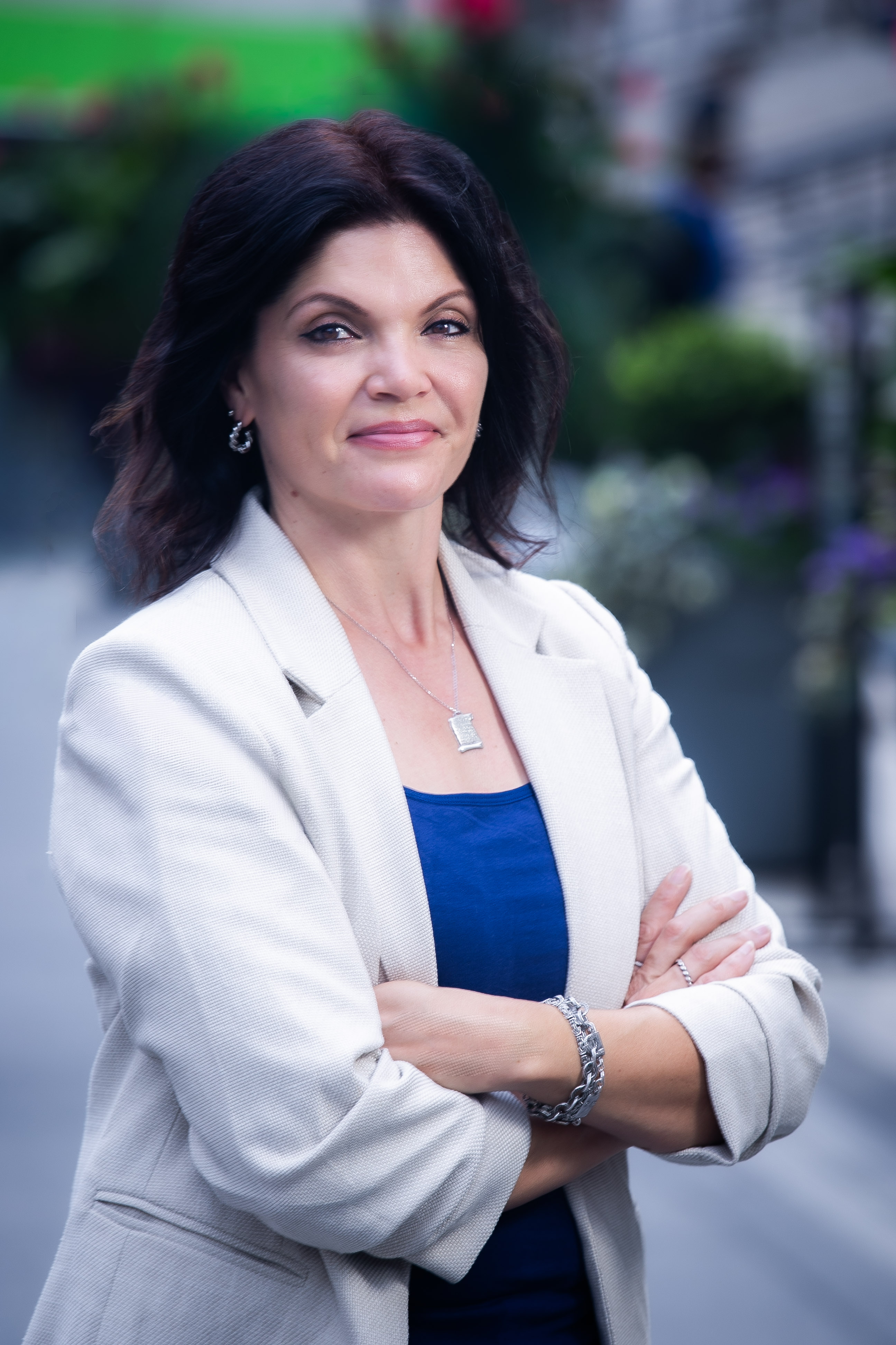
Human Rights Activist, Entrepreneur, Mother
Zahra Amanpour is a lifelong human rights advocate and a proud supporter of the Iranian Resistance movement. Born during the 1979 Iranian Revolution in Tehran, Zahra's life has been defined by the struggle for freedom and justice. Her father, a prominent advocate with the MEK/PMOI, was killed in 1988—a summer marked by the mass killing of 30,000 political prisoners following the end of the Iran-Iraq war.
Raised by her mother within the Iranian Resistance community, Zahra grew up surrounded by the courage, clarity, and conviction of those who refused to be silenced. She draws deep inspiration from the many women who have led the movement for a free, secular, and democratic Iran.
As a Board Member of the Women's Freedom Forum, Zahra works to amplify the voices of women fighting for their rights under repressive regimes and to shine a global light on their stories of resistance. Her work bridges continents, connecting the struggle for human rights in Iran with economic empowerment initiatives in the United States.
Her Mission: To see the end of Iran's tyrannical regime and the rise of a free and democratic Iran, led by its people and grounded in justice, equality, and peace.


